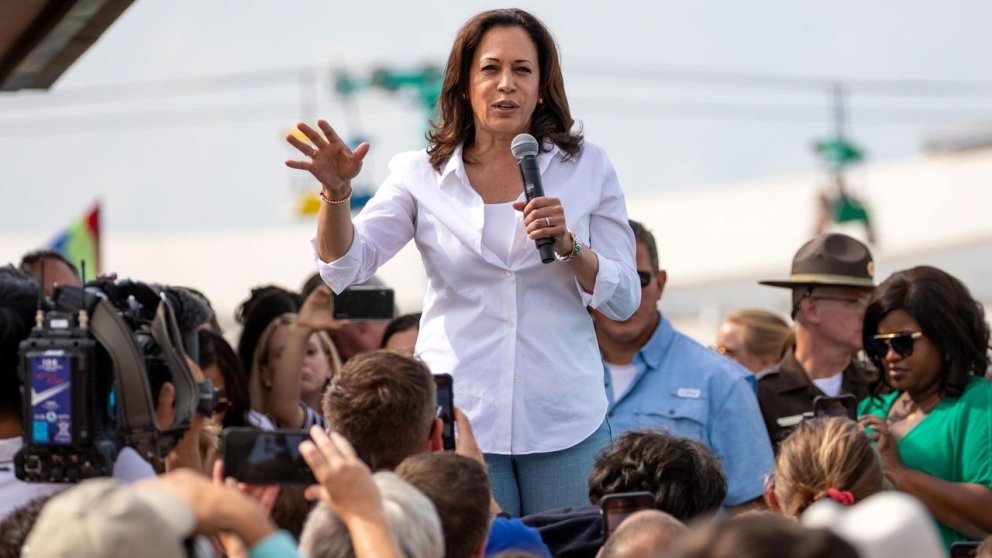
Politics is meant to be a space where ideas are debated and decisions are made for the common good. However, when we look closely at how society talks about politics, a clear problem appears. Political discourse still fails women leaders. Women in leadership roles face unique struggles that men rarely experience. From an unfair focus on their appearance to double standards in leadership style, the political conversation treats women differently.
This issue is not new, but it remains very strong today. Even as more women step up to run for office and lead nations, the way the public and media speak about them often pulls them down. Understanding why this happens is the first step toward fixing our political culture.
The Hard Reality of Double Standards
One of the main ways political discourse fails women is through double standards. When a male politician acts tough or asserts his power, people often call him strong, decisive, and confident. But when a female leader does the exact same thing, she is frequently labeled as bossy, aggressive, or emotional.
On the other hand, if a woman leader shows empathy or kindness, critics might call her weak or unfit for tough choices. Male leaders who show kindness are often praised for being caring and human. This puts women in a constant trap. No matter how they behave, the language used to describe them works against their credibility.
Appearance Over Policy
Another major issue in political speech is the obsession with how women leaders look. News articles, social media posts, and public debates spend an unhealthy amount of time discussing a woman leader's clothes, hair, voice, or family life.
Male politicians usually wear simple suits and face very little commentary on their appearance. Their policy ideas, economic plans, and voting records stay at the center of the discussion. For women, their actual work often gets pushed aside by judgment over what they wore to a meeting. This distracts the public from judging women based on their actual abilities and achievements.
The Role of Media and Information
The media plays a huge part in shaping how people think about politicians. How stories are framed can either build respect or feed old stereotypes. As technology changes, news platforms are under huge pressure to get clicks and attention. In discussions around is journalism dying in the AI era, experts often point out how sensational news can harm good quality reporting. When media outlets focus on drama instead of deep policy analysis, women leaders often suffer the most from shallow headlines.
Online spaces and social media have made this environment even tougher. Cyberbullying, gender-based insults, and targeted harassment against female politicians are at an all-time high. This toxic discourse does not just hurt current women leaders; it also scares young women from entering politics in the first place.
Political Friction and Global Dynamics
Political discourse around the world is growing more hostile in general. Whether dealing with international threats or navigating major internal political conflicts, the tone of public speech has become sharp and division-driven. In this tense climate, personal attacks often replace healthy debate.
When political discourse becomes aggressive, female voices are hit hardest. Attacks become gendered very quickly. Instead of criticizing a leader's decision, critics resort to sexist slurs and personal insults. This lowers the quality of public debate for everyone.
There’s more to life than simply increasing its speed.
By Udaipur Freelancer
Why This Matters to Everyone
Some people might ask why this problem matters so much. They might say that politicians need to be tough to handle public life. While it is true that public figures face criticism, unfair treatment based on gender hurts the entire democratic process.
When political speech fails women leaders, society loses out on great ideas and diverse views. If half of the population feels that their leaders are mocked simply for who they are, trust in government drops. A fair democracy requires that every leader, regardless of gender, is judged fairly on their character, policies, and actions.
Steps to Create Better Political Discourse
Fixing this problem requires effort from everyone. Citizens, journalists, and politicians themselves must hold political discussions to a higher standard. Here are a few simple steps we can take to improve the conversation:
First, we must call out gender bias when we see it. If a news story focuses on a woman leader's outfit rather than her stance on health care or the economy, viewers should challenge that reporting. Second, voters should pay attention to how they talk about candidates in daily conversations. Asking ourselves if we would say the same thing about a male candidate can help catch hidden biases.
Third, social media platforms must do a better job of curbing online abuse. Safe online environments allow women leaders to communicate directly with citizens without facing endless hate speech.
Moving Towards True Equality
Women leaders have proven time and again that they can guide nations through crises, create strong laws, and inspire millions. Yet, the language we use around politics continues to lag behind. It is time to update our political discourse to reflect fairness, respect, and equality.
By focusing on ideas, integrity, and results instead of gender stereotypes, we can build a better political world. When we support fair discourse for women leaders, we create a healthier democracy for everyone.












Recommended for you
Must-See Art Exhibitions Around the World This Year
The Revival of Classical Art in a Digital Age
Breaking Down the Elements of a Masterpiece Painting
The Revival of Classical Art in a Digital Age