Hey everyone, welcome back to the blog. Today, we need to talk about some massive and fast-moving news that is making headlines all over the globe. If you have been keeping an eye on the news lately, you probably already know that things are getting incredibly tense in the Middle East. But over the last few days, the situation has shifted into a totally new gear.
The United States is seriously ramping up its military presence in the region. We are talking about thousands of troops, massive naval ships, and the very real possibility of ground operations. We wanted to break down exactly what is happening right now, keep it simple, and explain what all this means for the world without using all that confusing political jargon. Let’s dive right into it.
A Massive Troop Surge: The USS Tripoli Arrives
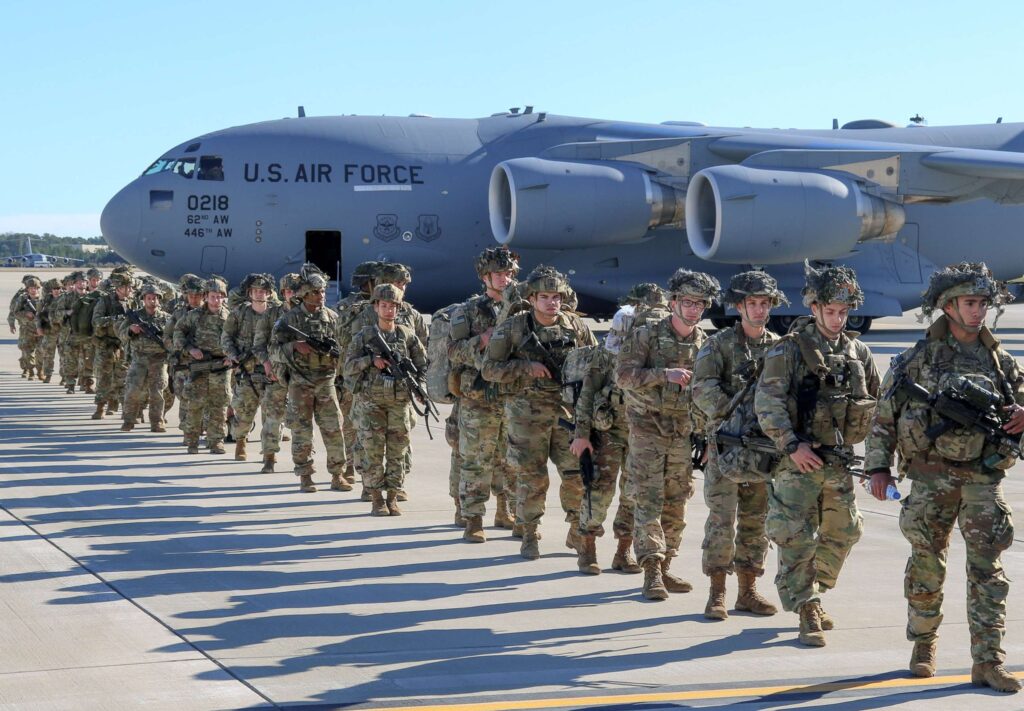
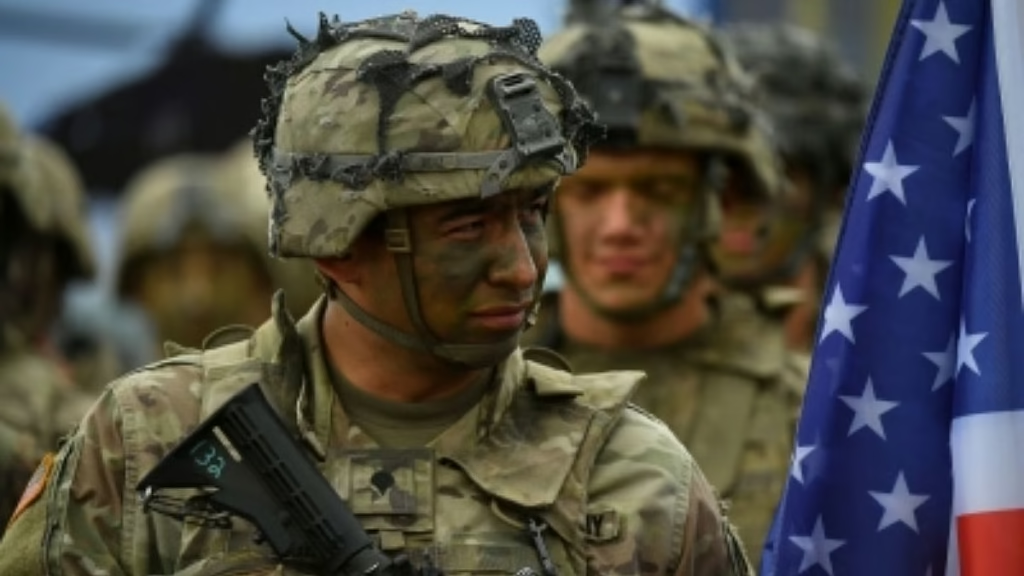
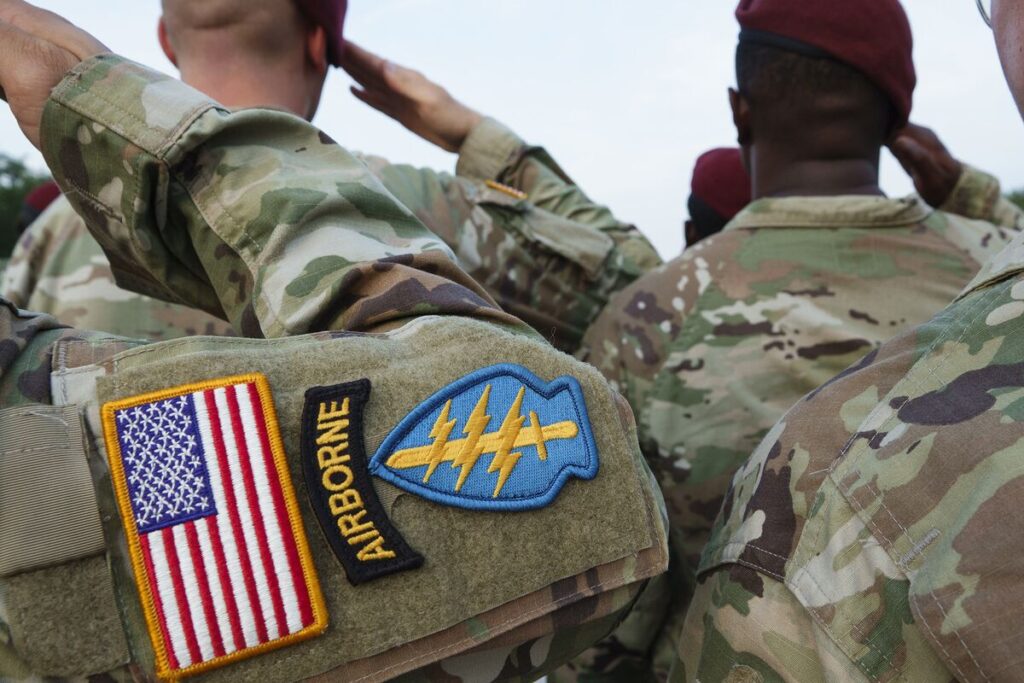
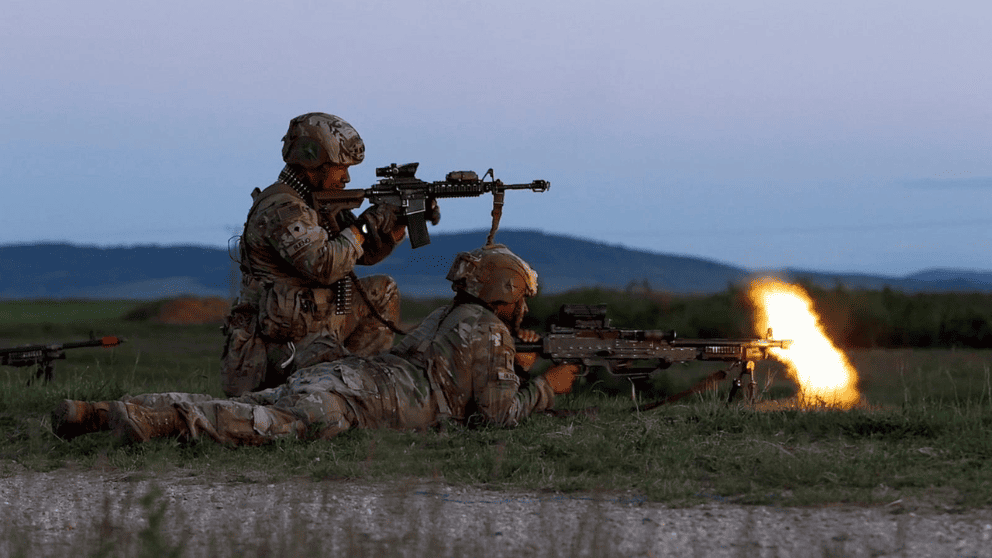
First things first, let’s look at the numbers and the hardware. The United States has officially deployed more than 3,500 troops to the Middle East as the conflict with Iran continues to heat up. This is not just a small shift, this is a major movement of military power.
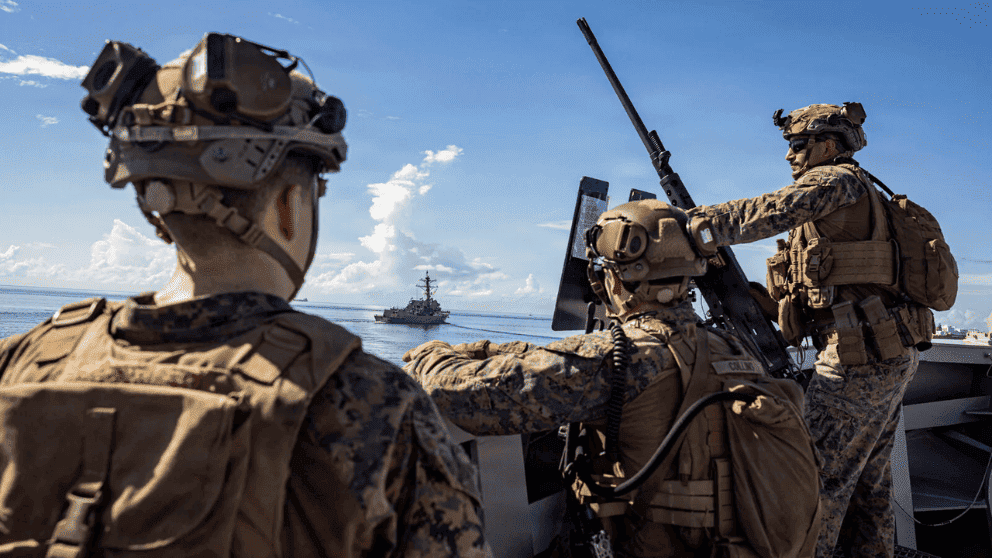
According to the U.S. Central Command (which handles all American military operations in that part of the world), a huge ship called the USS Tripoli has officially arrived in the operational zone as of March 27. The USS Tripoli is what the military calls a big deck amphibious assault ship. If you are not a military expert, just picture a massive, floating military base that is designed to launch both troops and heavy aircraft.
This single ship is carrying around 2,500 Marines. On top of that, it is fully loaded with some of the most advanced aircraft in the world, including F-35B stealth fighter jets and Ospreys. Before getting these urgent deployment orders about two weeks ago, the USS Tripoli was actually stationed all the way over in Japan.
And that is not all. The military is sending even more backup. Additional reinforcements, including another major ship called the USS Boxer, along with other naval units, are currently making their way to the region from San Diego.
Operation Epic Fury by the Numbers
To understand why all these troops are moving in, we have to look at what has been happening over the last month. The U.S. military launched something called 'Operation Epic Fury' back on February 28.
Since that launch date, the scale of the military action has been absolutely mind-blowing. According to Central Command, the U.S. has already struck over 11,000 targets. That is a staggering number and it really shows just how wide and intense this ongoing military operation actually is. Interestingly, recent reports also mention that the US has temporarily halted strikes on Iranian power plants for five days, but the broader operation is still very much active.
Are Ground Troops Going In?
Now, here is the million-dollar question that everyone is asking right now, Is the United States actually going to send troops on the ground in Iran?
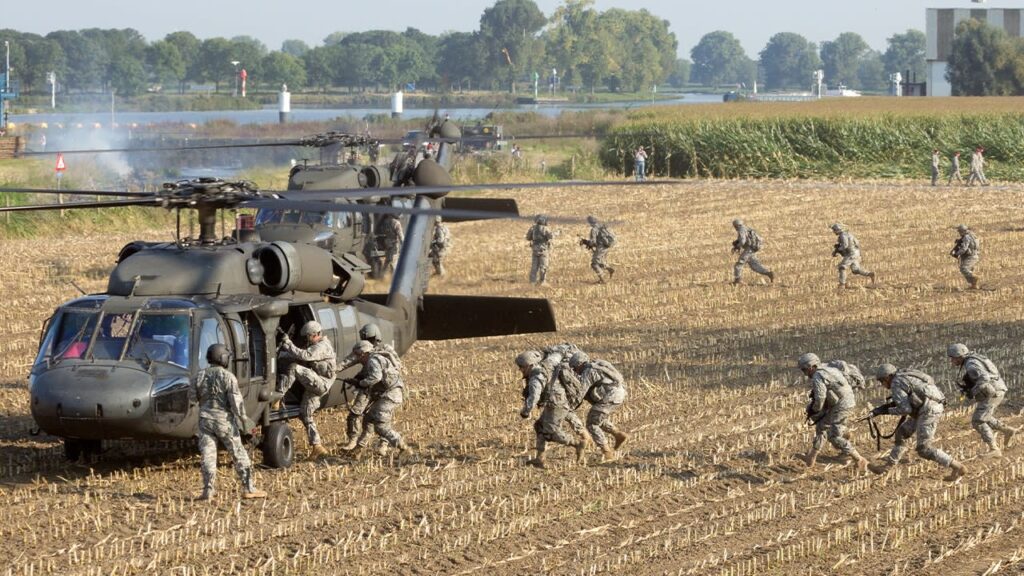
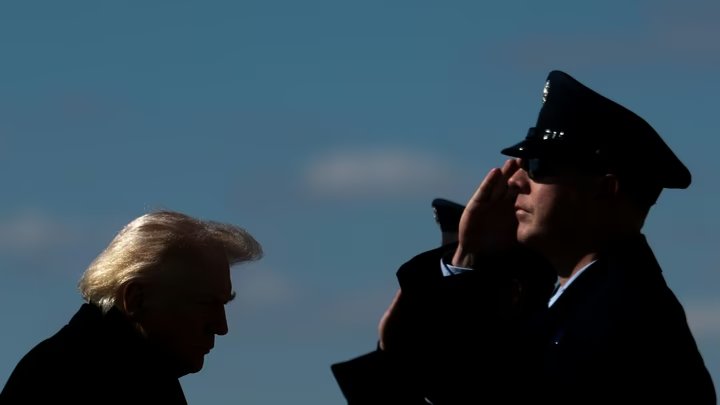
Right now, the Pentagon is actively preparing for potential weeks-long ground operations in Iran. They are getting everything ready just in case they get the green light. However, according to reports from the Washington Post citing U.S. officials, it is still totally unclear whether President Donald Trump will actually approve sending those ground troops into combat.
U.S. Secretary of State Marco Rubio also weighed in on this. He stated that Washington's main goal is to achieve all of its objectives without having to deploy ground troops. But he also made it very clear that President Trump must remain prepared for any evolving scenarios. In short, they don't want to send boots on the ground, but they are packing their bags just in case they have to.
What Sparked This Huge Escalation?
So, how did things get this bad? A major turning point happened when Iran launched a serious attack using ballistic missiles and drones. They targeted a specific base in Saudi Arabia called the Prince Sultan Air Base. This attack hit close to home for the U.S. because at least 12 U.S. personnel were injured during the strike. Once American troops were directly hurt, tensions absolutely went through the roof.
There’s more to life than simply increasing its speed.
By Udaipur Freelancer
Global Chaos: Oil Prices, Shipping, and The Houthis
This conflict is not just staying between a few countries, it is spilling over and affecting the entire world. Here is why you might feel the impact of this even if you live thousands of miles away.
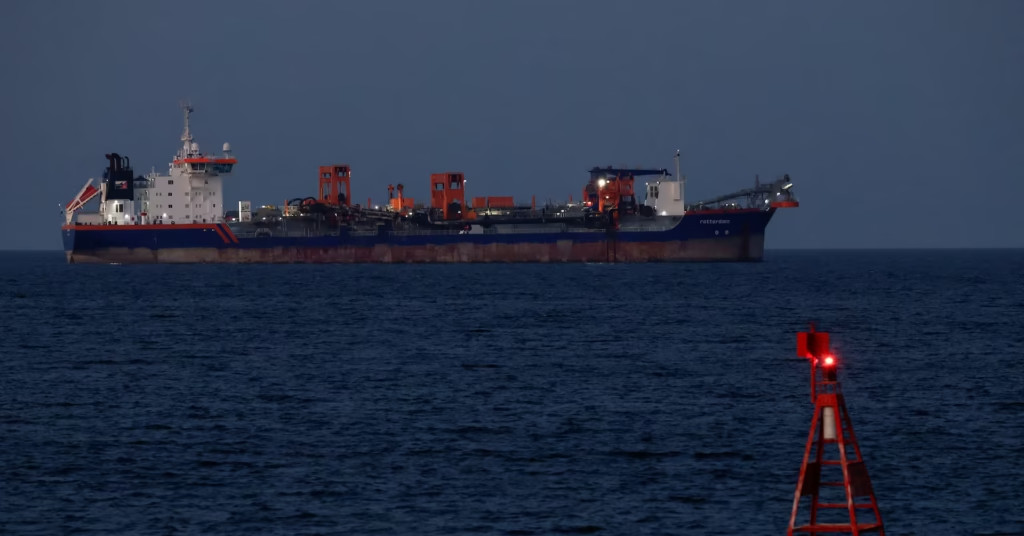
Iran currently has control over a very famous waterway called the Strait of Hormuz. This is a super important route for global oil shipments. Because Iran has effectively closed it down, global oil shipments are severely disrupted. When oil gets trapped and can't move, fuel prices go up for everyone. It is a classic supply and demand nightmare.
To make matters even more complicated, Yemen's Iran-backed Houthi group has now officially entered the chat. They recently claimed responsibility for launching a missile toward Israel. With the Houthis getting involved, there is a massive security concern over another vital waterway called the Bab-el-Mandeb Strait. This strait is the key passage that leads right to the Suez Canal, which is basically the highway for global trade.
Because of all this danger, international shipping lanes and aviation flight paths are totally disrupted. Countries and businesses are scrambling to find alternative routes to move their goods. Experts are warning that if the Houthis keep attacking commercial ships, it is going to destabilize sea security even more and push our global energy and gas prices even higher.
Why Can't They Just Agree to a Ceasefire?
You might be wondering, "Why isn't anyone trying to talk this out?" Well, they tried, but diplomatic efforts are completely stuck right now.
The U.S. sent an envoy named Steve Witkoff to try and pitch a ceasefire framework. The main goals of his proposal were to put a stop to Iran's nuclear program and to get these super important global waterways open again so trade can go back to normal.
Did it work? Not at all. Tehran completely rejected the proposal. Instead of agreeing, they threw back their own list of demands. They are asking for reparations (basically, money for damages) and demanding the recognition of their sovereignty.
What Happens Next?
Right now, this conflict is showing zero signs of cooling down. With new actors like the Houthis jumping into the fight, trade routes blocked, fuel prices rising, and massive U.S. warships arriving on the scene, the risk of a much larger and more unstable situation in the Middle East is growing every single day.
We will keep following this story closely and update you guys as soon as we know whether or not those ground operations get approved. Until then, let me know what you think about all this down in the comments. Stay safe and stay informed!
Udaipur Freelancer delivers high-quality web, marketing, and design solutions. We focus on building impactful digital experiences that help your brand succeed in today's market.













Recommended for you
Must-See Art Exhibitions Around the World This Year
The Revival of Classical Art in a Digital Age
Breaking Down the Elements of a Masterpiece Painting
The Revival of Classical Art in a Digital Age