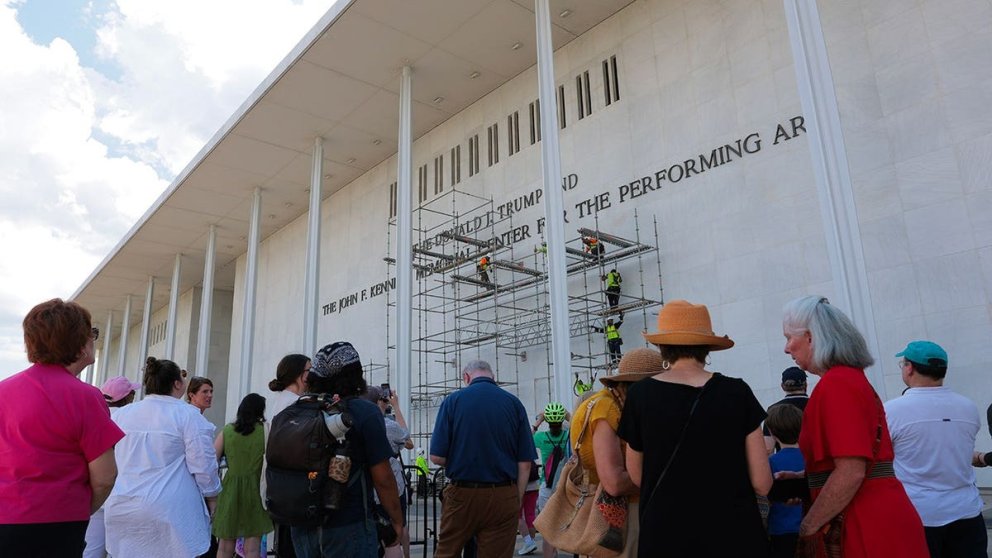
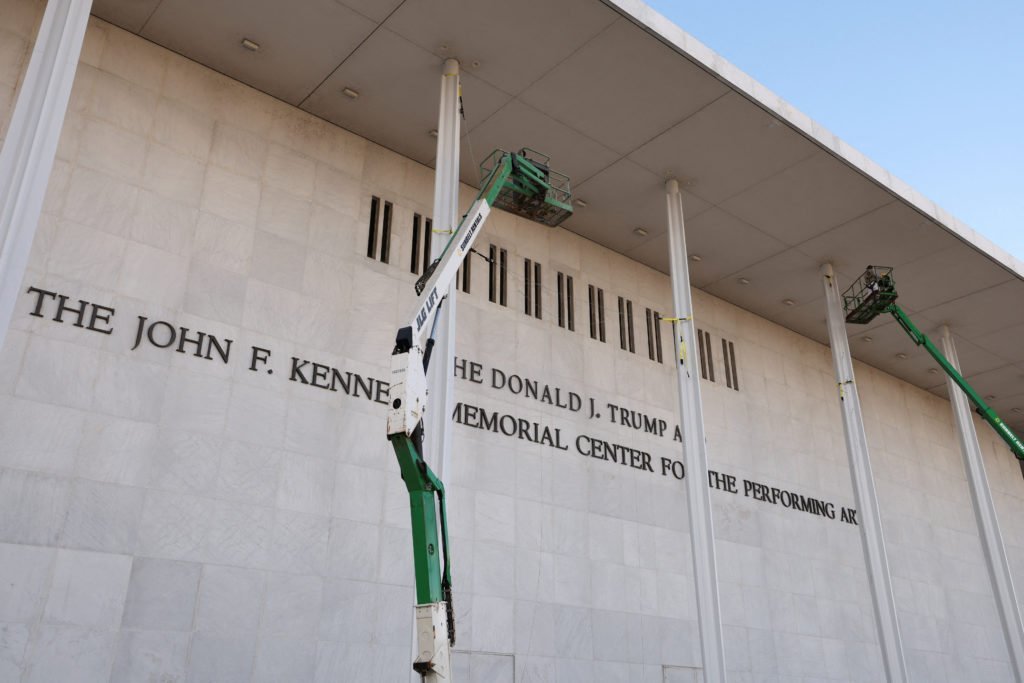
Imagine waking up to news that a major landmark in Washington D.C. looks different overnight. That’s exactly what happened this past Saturday morning, as workers carried out a swift, predawn operation at the John F. Kennedy Center for the Performing Arts. The mission? To remove former US President Donald Trump’s name from the iconic building.
This wasn't a spontaneous act. It was the direct result of a court order, a legal battle that underscored a crucial point: you can’t simply rename a national institution without following the rules. The entire event unfolded with a quiet urgency, signaling the final chapter of a controversial decision that had only lasted less than six months.
A Legal Showdown: The Court's Final Say
So, why did Trump’s name need to be removed? The answer lies in the law. Judges ruled that his name had been added to the Kennedy Center illegally. For a venue as significant as the Kennedy Center, which holds a special place in America's cultural landscape, any name change requires an act of Congress. This isn’t a small detail; it’s a fundamental check and balance designed to protect public institutions from political whims.
The administration had been trying to fight this ruling for some time. They faced several legal setbacks and even missed a court-imposed deadline. When Friday midnight passed without action, the Department of Justice acknowledged it couldn't meet the court's order. An emergency appeal to block the removal was also rejected. The message from the judiciary was clear: the law must be followed, no matter who is involved.
The Predawn Operation: Scaffolding, Tarpaulins, and a Quiet Removal
The scene described by news agencies like Reuters and Associated Press painted a picture of focused, determined work. Around 1:20 am local time on Saturday, just hours after the missed deadline, workers began the removal. Scaffolding had been put up on Friday evening, then carefully covered with tarpaulins. This wasn't a public spectacle; it was a discreet operation, conducted under the cover of darkness.
Crews worked diligently through the early hours of Saturday, taking down the signage. The imagery of the covered scaffolding and the quiet efforts reflects the sensitive nature of the task. It was a swift, efficient process to restore the institution's official identity, removing a name that had been affixed without proper legal authority.
More Than Just a Name: The Broader Battle Over Public Institutions
This isn’t just a story about a sign being taken down; it’s part of a much larger conversation about how we treat our most important public institutions and monuments. Since returning to office, President Trump has often sought to put his mark on various national symbols. This latest episode at the Kennedy Center highlights the ongoing tension between political aspirations and established legal processes designed to protect these shared spaces.
There’s more to life than simply increasing its speed.
By Udaipur Freelancer
Public institutions like the Kennedy Center represent a collective history and cultural heritage. Their names and identities are deeply significant. Changes to such symbols are often more than just superficial adjustments; they can signal a fundamental shift in perception or strategy. Much like a company's new logo signals a major global strategy shift, the naming or renaming of a landmark reflects broader intentions and values.
This incident reminds us of the importance of the rule of law in safeguarding these institutions. It shows that even in highly charged political environments, legal frameworks exist to ensure that changes are made thoughtfully and with proper authority. Navigating these kinds of complex legal and political challenges is crucial for a stable society, just as understanding various interconnected factors is key when looking at geopolitical situations.
What This Means Going Forward
The overnight removal of Trump’s name from the Kennedy Center serves as a powerful reminder that legality and due process are paramount. It shows that even when political pressures are high, the courts can and will uphold the law, protecting the integrity of our national institutions.
This swift action also reinforces the idea that these symbols of our nation are not simply tools for political branding. They are testaments to history, culture, and shared values, deserving of respect and protected by carefully established procedures. The Kennedy Center's name has been restored, and with it, a lesson in governance and the enduring power of the law.
Udaipur Freelancer delivers high-quality web, marketing, and design solutions. We focus on building impactful digital experiences that help your brand succeed in today's market.












Recommended for you
Must-See Art Exhibitions Around the World This Year
The Revival of Classical Art in a Digital Age
Breaking Down the Elements of a Masterpiece Painting
The Revival of Classical Art in a Digital Age