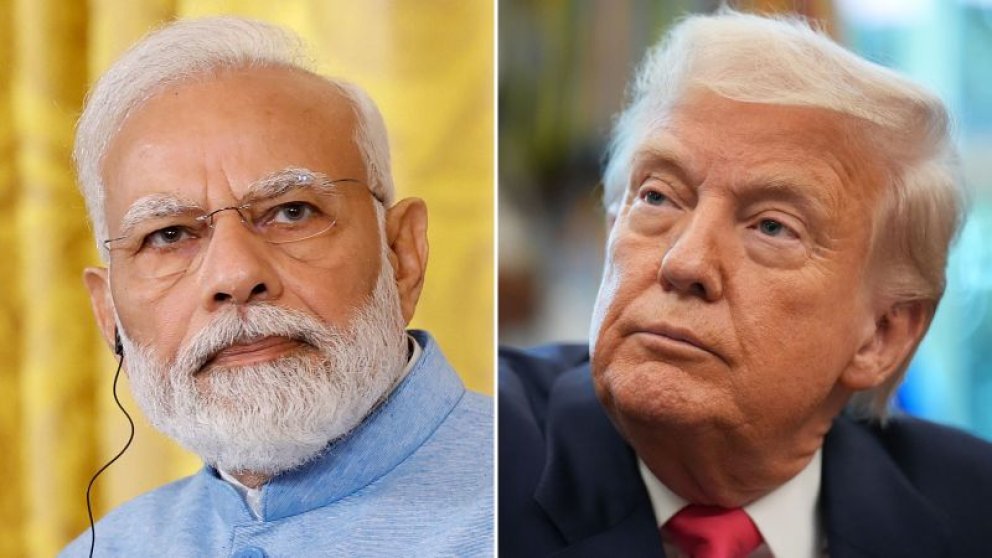
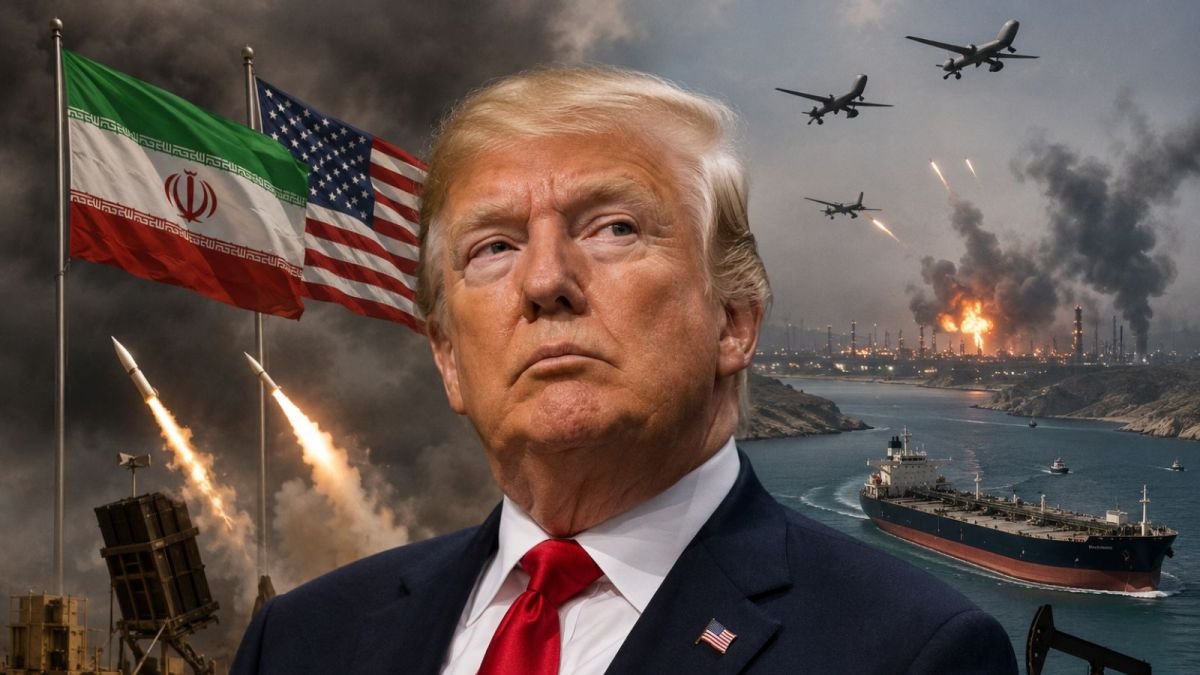
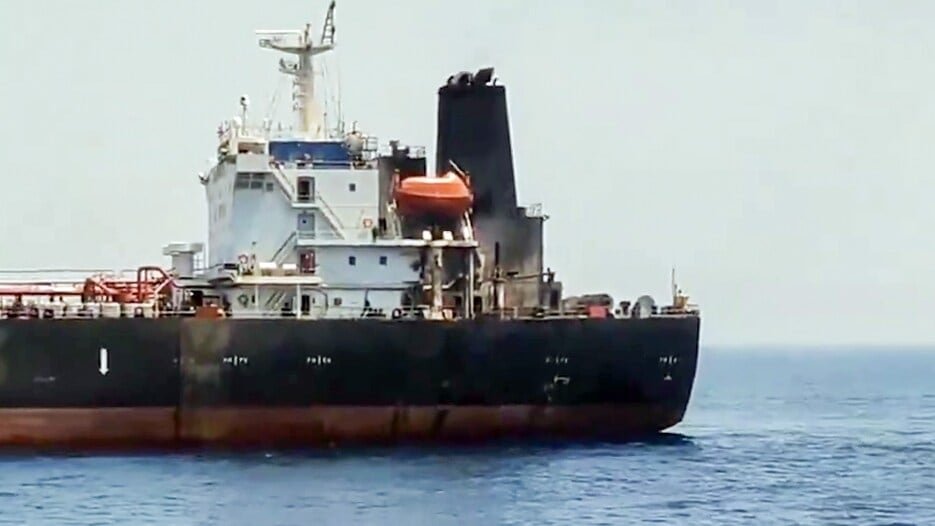
Recent events near the Strait of Hormuz have sent shockwaves globally, especially in India. This narrow, vital waterway, through which a colossal portion of the world’s oil supplies passes daily, is now at the heart of a tense international standoff. US President Donald Trump has issued strong statements, directly accusing Iran of being behind recent attacks on commercial vessels with ties to India. This isn't just about ships; it's deeply entwined with human safety, global energy stability, and broader peace prospects in a crucial region.
Trump's Sharp Accusations Against Iran
President Trump, using Truth Social, did not hold back. He accused Iran of misrepresenting an 'emerging agreement' with Washington, claiming leaked details had "NOTHING to do with the terms that were agreed to, in writing." He called Iranian officials "very dishonorable people," suggesting a lack of good faith. His most pointed remarks targeted attacks on Indian shipping. Trump condemned a recent drone attack near the Strait of Hormuz as "TOTALLY UNACCEPTABLE," warning Tehran to "get their act together, and FAST!" This stance marked a significant shift from his more optimistic tone just a day prior, when he had hinted at a deal and called off planned strikes.
India's Mounting Concerns
These aggressive comments and attacks place India in a precarious position. As the world’s second-largest supplier of seafarers, India has a massive stake in maritime safety. The human cost is tragically real; India has mourned three sailors lost in an attack off Oman. Another vessel with 20 Indian crew members narrowly avoided disaster days later. These are not just statistics; they represent families and futures at risk. Beyond human safety, the Strait of Hormuz is critical for India's energy security. With nearly a fifth of global oil supplies transiting this strait, instability directly impacts India’s economy and industries. The potential for an Indian Oil fuel supply shortage, even if currently localized, becomes a serious threat. Millions of Indians also live and work across the Gulf, making their safety a monumental concern. India must balance vital commercial interests with protecting its citizens amidst this escalating international dispute.
The Broader US-Iran Conflict Dynamics
This situation is far from isolated; it's a chapter in a long, contentious saga between the United States and Iran. Trump's remarks underscore profound distrust. The "deal" he'd announced now appears phantom-like, with both sides offering starkly different accounts. While Trump indicated a breakthrough, Iranian officials publicly outlined details diverging from Washington's objectives. This ongoing back-and-forth, characterized by accusations and veiled threats, only amplifies volatility. Implications extend beyond immediate parties; potential for miscalculation or unintended escalation looms, threatening global trade, energy, and stability. It's a high-stakes geopolitical chess match. The tension is palpable, creating an atmosphere of uncertainty not unlike when alerts of White House gunfire cause immediate alarm, reminding everyone how quickly situations can shift from political discourse to immediate danger.
There’s more to life than simply increasing its speed.
By Udaipur Freelancer
Global Economic Fallout from Hormuz
The Strait of Hormuz isn't just a regional choke point; it's a crucial artery for the global economy. Approximately 20% of the world's total petroleum consumption passes through its narrow waters. Any significant disruption or sustained threat to shipping here would inevitably lead to a sharp surge in global oil prices. Such a spike would ripple across economies worldwide, impacting everything from transport costs to manufacturing and consumer prices. For nations like India, heavily dependent on imported oil, this financial burden could be particularly severe, potentially leading to economic slowdowns and increased inflation. Furthermore, attacks on commercial vessels undermine safe and free navigation, essential for international trade. It raises serious questions about the security of other vital shipping lanes and prompts a re-evaluation of maritime protection strategies globally. The integrity of these trade routes is paramount, and when threatened, the ripple effect is felt everywhere.
The Path Forward: Uncertainty and Vigilance
Given the gravity of President Trump's warnings and the clear vulnerability of shipping, what comes next is a matter of intense speculation and concern. His stern words signal that the US is not prepared to tolerate these attacks, suggesting potential for more forceful responses if the situation doesn't improve. For India, the challenge is immense: how to effectively safeguard its vast number of seafarers, ensure uninterrupted energy supplies, and protect millions of nationals in the Gulf? All while navigating the complex US-Iran rivalry. Diplomacy remains the most desirable path, but with trust at an all-time low, finding common ground for peace appears incredibly difficult. The international community will be watching closely to see if these escalating tensions can be de-escalated, or if this critical geopolitical flashpoint is destined for further instability and potential conflict. The security and openness of the Strait of Hormuz are not merely issues for Iran, the US, or India; they are global concerns that profoundly impact collective prosperity and peace.
Udaipur Freelancer delivers high-quality web, marketing, and design solutions. We focus on building impactful digital experiences that help your brand succeed in today's market.















Recommended for you
Must-See Art Exhibitions Around the World This Year
The Revival of Classical Art in a Digital Age
Breaking Down the Elements of a Masterpiece Painting
The Revival of Classical Art in a Digital Age