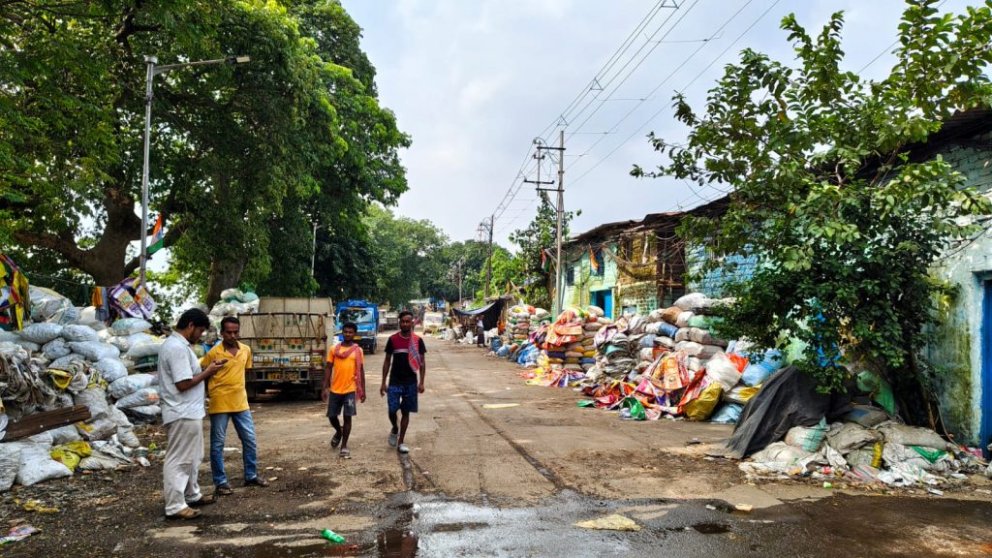
Imagine waking up every single morning for nearly two months without a single drop of water coming out of your taps. For the families living in a specific colony in Kolkata, this is not just a bad dream. It is their daily reality. The taps have stayed completely dry for 50 long days. People are struggling just to find basic water for drinking, cooking, and cleaning.
Water is life. Without it, daily routines simply stop. Mothers cannot cook meals for their children, and people cannot wash their clothes or take a proper bath. In many parts of the world, public issues get quick attention, but here, the wait has stretched on for weeks and weeks. Similar local governance challenges and citizen concerns are often discussed in reports like this overview of civic questions where people demand answers from their leaders.
The Pain of Walking Miles for Water
With no water coming from the municipal pipes, residents have to find other ways to survive. Every morning, women and young people step out of their homes carrying heavy buckets, pots, and plastic cans. They walk long distances under the hot sun just to reach a working tubewell or a tanker sent by authorities. These tankers do not come often enough, and when they do arrive, there is a massive rush.
People push and shout just to fill two small buckets. This creates a stressful environment where neighbors fight over basic survival needs. Elderly residents who cannot walk long distances are forced to depend entirely on the kindness of others. This water crisis is turning normal community life into a daily battleground.
Serious Allegations of Bias and Neglect
The most painful part of this situation is not just the lack of water, but the feeling of being ignored. The local residents strongly believe that they are facing unfair treatment. They allege that local authorities are showing deliberate bias against their neighborhood. While nearby areas have a regular and steady water supply, this specific colony is left to dry.
People are asking a very simple question: why are we being punished? They feel that because they are poor or lack strong political connections, their voices do not matter to the people in power. Similar discussions about fairness, protests, and public unrest can be seen in other parts of the country, such as the issues highlighted in this update on public protest management.
There’s more to life than simply increasing its speed.
By Udaipur Freelancer
When citizens feel cheated by the system, trust breaks down completely. They have held small protests, blocked streets, and gone to local municipal offices to beg for help. Yet, they claim they only receive empty promises. Officials often say that repairs are happening or that pipeline issues will be fixed soon, but days turn into weeks with no real change.
What Needs to Happen Next?
A city like Kolkata cannot let its people suffer without water for 50 days. Access to clean water is a basic human right. Local leaders and water supply departments must step in immediately to fix the broken pipelines and ensure a fair distribution of water tankers every single day.
Furthermore, authorities need to listen to the grievances of these residents and investigate the claims of bias. Building trust requires transparency and fast action. Until the taps finally start flowing again, the families in this Kolkata colony will continue to live in extreme hardship, hoping that someone in power will finally hear their cry for help.











Recommended for you
Must-See Art Exhibitions Around the World This Year
The Revival of Classical Art in a Digital Age
Breaking Down the Elements of a Masterpiece Painting
The Revival of Classical Art in a Digital Age