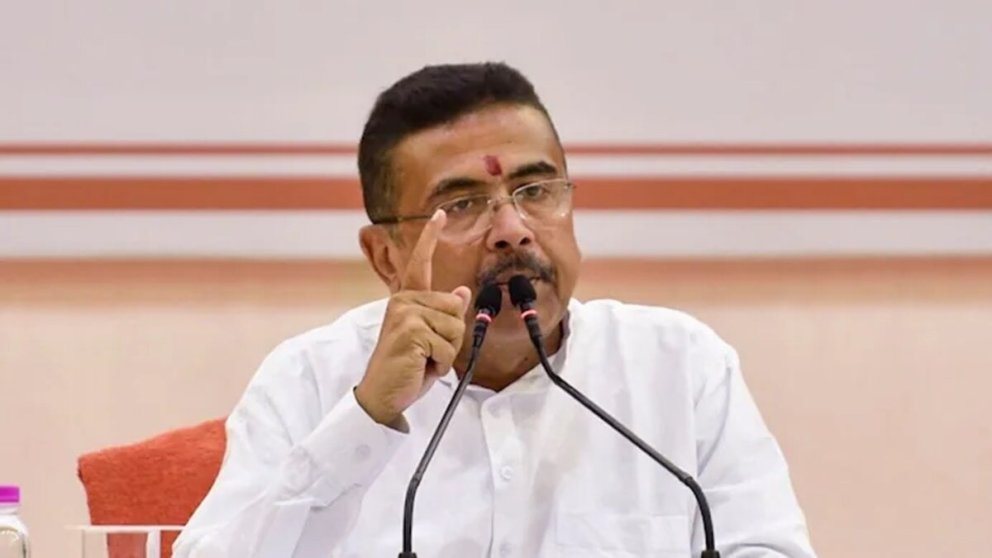
School education in India often changes to help students learn more about national heroes. Recently, senior political leader Suvendu Adhikari announced that the life and contributions of Dr. Syama Prasad Mookerjee will soon be added to school textbooks. This change is planned to start from the next academic year. The goal is to make sure young students understand the important role Dr. Mookerjee played in Indian history and national development.
Who Was Dr. Syama Prasad Mookerjee?
Dr. Syama Prasad Mookerjee was a prominent Indian politician, barrister, and academician. He served as the Minister for Industry and Supply in the first cabinet of independent India under Prime Minister Jawaharlal Nehru. He was also the founder of the Bharatiya Jana Sangh, which later evolved into the modern Bharatiya Janata Party (BJP).
Beyond his political journey, Dr. Mookerjee was deeply dedicated to education. At a very young age, he served as the Vice-Chancellor of the University of Calcutta. He worked tirelessly to improve academic standards and encouraged higher education among young Indians. His contributions covered many areas including law, governance, industrial policy, and national unity.
Why the New Textbook Inclusion Matters
According to the recent announcement, past school curriculums did not give enough attention to Dr. Mookerjee's work. Many leaders believe that history books should present a complete picture of all the thinkers and leaders who helped build modern India. By adding chapters about his work, students will get a broader view of post-independence history.
School books help shape how children view their country's past. When students read about different leaders, they learn valuable lessons about leadership, patriotism, and social service. The upcoming lessons are expected to focus on Dr. Mookerjee's ideas on unity, his academic achievements, and his role in building India's industrial foundation.
Education Policy and National Discussions
Curriculum changes often spark lively discussions across different states. Education policies frequently become a topic of regional interest, similar to how educational issues have driven political action, such as the BJP protest on school policies and access in various parts of the country. Education boards continually review lessons to ensure that syllabus content remains balanced, informative, and engaging.
Textbook revisions are carried out by expert committees. These panels review historical records and write chapters in a way that is easy for children to understand. The new chapters will likely cover stories from Dr. Mookerjee's student days, his leadership roles, and his major achievements in simple, age-appropriate language.
There’s more to life than simply increasing its speed.
By Udaipur Freelancer
Promoting Balanced History in Classrooms
Educationists generally agree that history should be diverse and comprehensive. When students learn about many different historical figures, they gain critical thinking skills. They can understand different points of view and see how various leaders contributed to nation-building during crucial moments in history.
While public debates around political history can sometimes turn sharp—much like discussions regarding the nature of political discourse in regional debates—the classroom remains a place for calm learning and factual knowledge. Introducing well-researched biographical chapters helps keep the focus on education and national values.
What Students Can Look Forward to Next Year
Starting next year, students will likely find dedicated sections in their social science and history textbooks describing Dr. Mookerjee's legacy. These lessons will explain how he advocated for higher educational standards, supported national integration, and contributed to India's early economic planning.
Teachers will also receive guidelines to help explain these topics clearly during class. Through projects, quizzes, and classroom discussions, students will have the chance to explore this important chapter of Indian history in an interactive way.
Conclusion
The decision to include the contributions of Dr. Syama Prasad Mookerjee in school textbooks marks an important update in school education. By learning about his vision, service, and dedication to education and governance, future generations can draw inspiration from his life and gain a deeper understanding of India's historical journey.














Recommended for you
Must-See Art Exhibitions Around the World This Year
The Revival of Classical Art in a Digital Age
Breaking Down the Elements of a Masterpiece Painting
The Revival of Classical Art in a Digital Age