In a dramatic and unprecedented escalation that threatens to plunge the Middle East into a wider, uncontrollable regional conflict, the United States and Israel have launched a massive, coordinated military offensive against the Islamic Republic of Iran. Dubbed "Operation Epic Fury," the preventive missile strike targeted the very heart of the Iranian military and political establishment on Saturday.
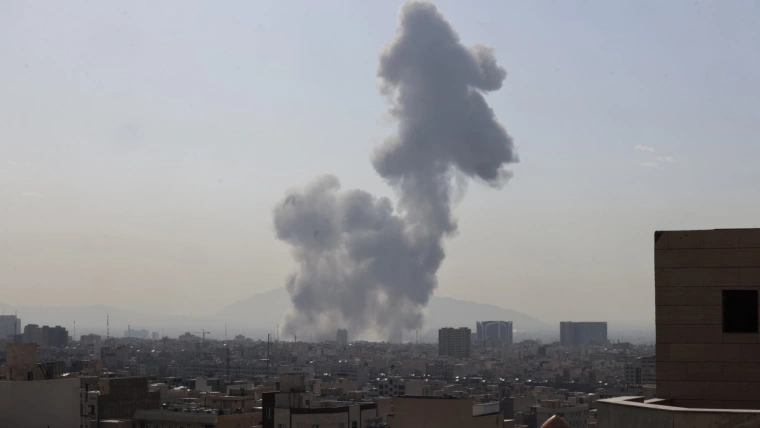
The skies over Tehran, Isfahan, and multiple other Iranian cities were filled with the deafening roar of explosions and thick plumes of black smoke. However, the assumption that Iran would absorb the blow and deliberate on a delayed response was shattered within hours. In a chilling display of military readiness, Tehran launched an immediate and fierce retaliatory wave of ballistic missiles, not just at Israel, but squarely at United States military installations scattered across the Persian Gulf.
This is no longer a shadow war. The covert operations, cyber-attacks, and proxy skirmishes that have defined US-Israel-Iran relations for decades have violently erupted into direct, kinetic warfare. With sirens wailing across Israel, telecommunications blacked out in Tehran, and US troops sheltering in bunkers in Qatar and Bahrain, the world watches with bated breath.
In this comprehensive analysis, we will break down every facet of Operation Epic Fury, from the specific nuclear and leadership targets in Iran to Tehran's strikes on vital US Gulf bases, the massive military build-up that foreshadowed this day, and what this means for the future of global security.
Chapter 1: The Outbreak of Operation Epic Fury
The Element of Surprise and Preventive Action
Early Saturday morning, the tense calm of the Middle East was shattered. The United States and Israel initiated what Israeli Defense Minister Israel Katz explicitly described as a pre-emptive attack. The operation was not a limited, surgical strike against a singular proxy group, but a sprawling, coordinated assault on sovereign Iranian territory.
According to defense officials, Operation Epic Fury was meticulously coordinated between Washington and Jerusalem. The stated objective? To neutralize imminent threats posed by Iran to the State of Israel and American assets in the region. However, the sheer scale of the bombardment suggests a broader strategic goal, the systematic dismantling of Iran's military infrastructure.
The Targets: Striking the Heart of the Regime
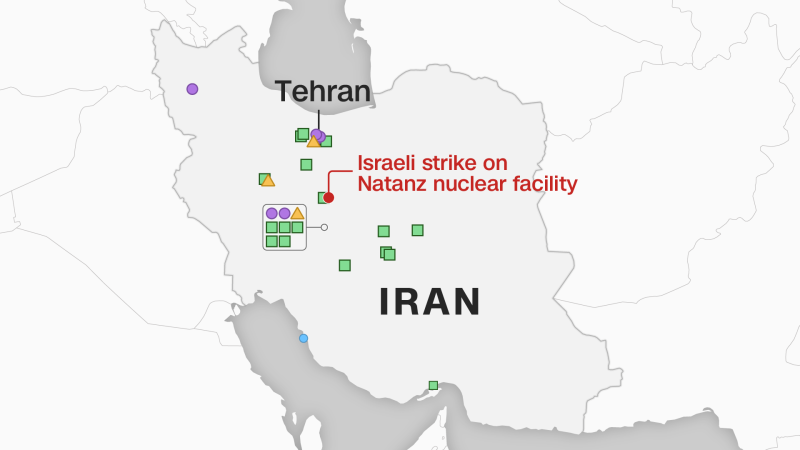
The strikes were sweeping, focusing on both central and eastern Tehran, alongside several other vital strategic cities. The target list reads like a map of Iran's most critical state apparatus:
The Office of the Supreme Leader: In a highly symbolic and dangerous move, the office of Ayatollah Ali Khamenei was targeted. Striking at the absolute apex of Iranian leadership is a clear signal that the US and Israel are no longer restricting themselves to military hardware. they are targeting the regime's command structure. Following the strikes, intelligence indicated that Khamenei was urgently moved to a secure, undisclosed location.
The Office of the Iranian President: Alongside the Supreme Leader, the executive branch was heavily targeted, aiming to disrupt the immediate governance and crisis response of the nation.
Ministry of Intelligence: The nerve center of Iran’s internal security and external espionage operations.
Ministry of Defence: The logistical and administrative hub of the Iranian Armed Forces.
The Iranian Atomic Energy Agency: A clear strike against the bureaucratic core of Iran's controversial nuclear program.
Parchin Military Complex: Long suspected by international watchdogs of being a site for high-explosive testing related to nuclear weapons development, Parchin has been a primary target of interest for Israeli and American intelligence for years.
The coordinated nature of these strikes hitting leadership, intelligence, and military logistics simultaneously is a classic decapitation and disruption military doctrine, designed to paralyze the enemy's ability to coordinate a counter-attack.
Chapter 2: The Nuclear Dimension and Targeted Cities
Operation Epic Fury did not stop at the capital. The intelligence-driven strikes heavily targeted Iran’s nuclear and ballistic missile geography. To understand the gravity of the attack, one must look at the specific cities hit outside of Tehran:
Isfahan: The Nuclear Core
Isfahan is arguably one of the most sensitive locations in Iran. It is home to the Iranian Nuclear Technology and Research Centre. This facility operates a uranium conversion plant, a critical step in the nuclear fuel cycle. By targeting Isfahan, the US and Israel are making good on their long-standing promise to prevent Iran from reaching the nuclear threshold.
Tabriz: The Missile Hub
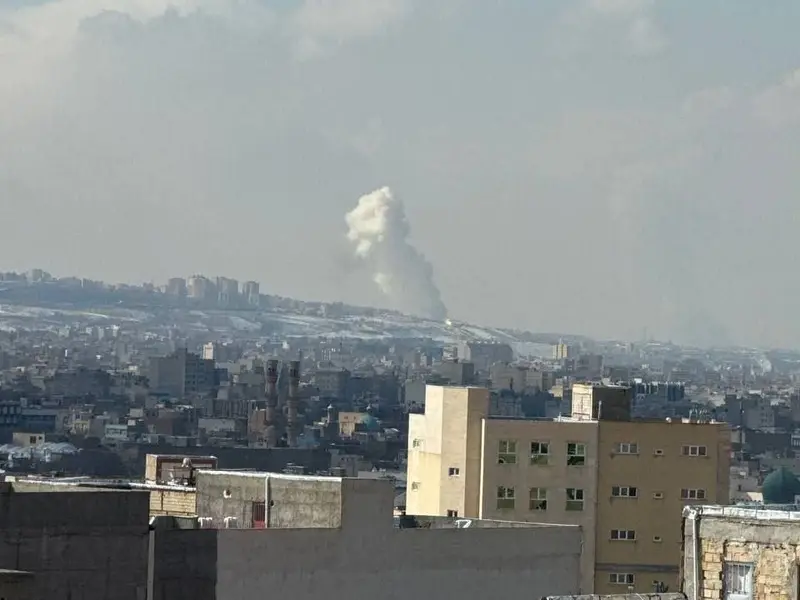
Reports indicate that Tabriz was struck specifically because it hosts a major ballistic missile base. Iran possesses the largest and most diverse ballistic missile arsenal in the Middle East. Taking out launch sites and storage facilities in Tabriz was likely a primary objective to blunt Iran's ability to retaliate.
Bushehr: The Port and the Reactor
The port city of Bushehr is internationally known for housing Iran’s first civilian nuclear power plant. While striking a live nuclear power plant carries catastrophic environmental risks, the area surrounding Bushehr is also heavily fortified and utilized by the Islamic Revolutionary Guard Corps Navy (IRGCN).
Qom, Karaj, and Kermanshah
These cities also suffered heavy bombardments.
Qom: Known for the Fordow Fuel Enrichment Plant, buried deep inside a mountain to protect it from airstrikes.
Karaj: A known industrial hub that hosts facilities for manufacturing advanced centrifuges used in uranium enrichment.
Kermanshah: A critical western province that serves as a launching pad for missiles aimed at Iraq and the broader Levant.
The Stated Objective: Complete Dismantlement
Confirming the attacks, US President Donald Trump issued a stark and unequivocal statement. He asserted that Tehran can never have a nuclear weapon.
Trump stated: "Our objective is to defend the American people by eliminating imminent threats from the Iranian regime. We will ensure that Iran does not obtain a nuclear weapon." Furthermore, he declared that US forces are tasked with destroying Iran's missiles, dismantling its missile industry, and eliminating its naval capabilities. This implies a campaign that goes far beyond a single night of airstrikes.
Chapter 3: Tehran Strikes Back – The Immediate Retaliation
In previous years, when Israel or the US struck Iranian assets (such as the assassination of Qasem Soleimani or strikes in Syria), Iran’s response was often delayed, calculated, and aimed at avoiding all-out war. Operation Epic Fury changed that paradigm instantly.
Tehran officials issued a sharp warning, stating their response would be crushing. They did not wait. Immediately following the US-Israeli bombardment, Iran launched a massive retaliatory wave of ballistic missiles.
Crucially, Iran did not just target Israel, they expanded the battlefield across the entire Persian Gulf, directly targeting American military installations in neighboring sovereign nations. This rapid escalation turns a bilateral conflict into a multi-nation regional war.
The US Bases Under Fire
The Iranian ballistic missile strikes successfully reached several high-value US military installations:
Al Dhafra Air Base (Abu Dhabi, UAE): A massive installation hosting the US Air Force's 380th Air Expeditionary Wing. It is home to vital reconnaissance aircraft, fighter jets, and Patriot missile defense batteries. Striking the UAE brings one of the Gulf's commercial powerhouses directly into the line of fire.
US Fifth Fleet Headquarters (Juffair Area, Bahrain): Bahrain is the nerve center for all US naval operations in the Middle East. The Fifth Fleet secures the Persian Gulf, the Red Sea, and the Arabian Sea. Attacking this base is a direct challenge to American naval supremacy and threatens the security of global shipping lanes.
Al Udeid Air Base (Qatar): The largest US military base in the Middle East. Al Udeid is the forward headquarters of United States Central Command (CENTCOM). It is from here that the US coordinates almost all aerial operations in the region. Striking Al Udeid is a highly aggressive move aimed at blinding US command and control.
Ali Salem Air Base (Kuwait): Located near the Iraqi border, this base is a critical logistical and airlift hub for the US Air Force.
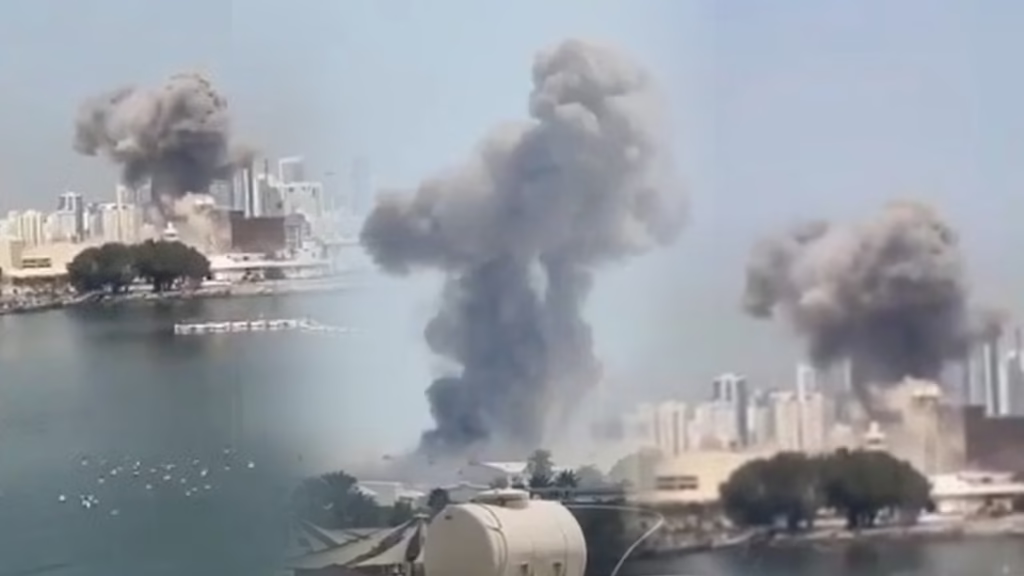
Loud explosions and bright flashes were witnessed by residents in the surrounding areas of these bases. The psychological and strategic impact of Iran proving it can penetrate the airspace of the UAE, Qatar, Bahrain, and Kuwait simultaneously cannot be overstated.
Chapter 4: Chaos on the Ground – The Civilian Toll and States of Emergency
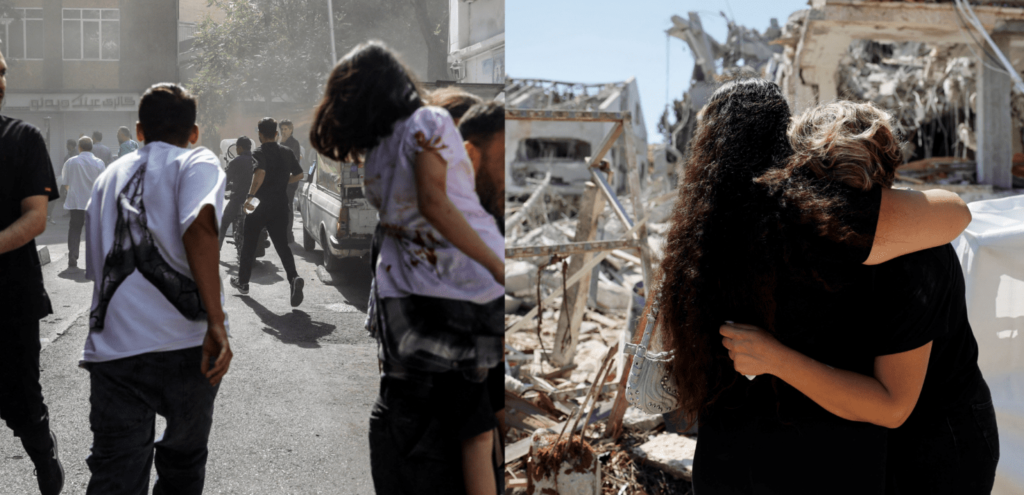
While politicians and generals exchange fire, the reality on the ground for civilians in Iran, Israel, and the Gulf States has devolved into chaos and panic.
The Scene in Tehran
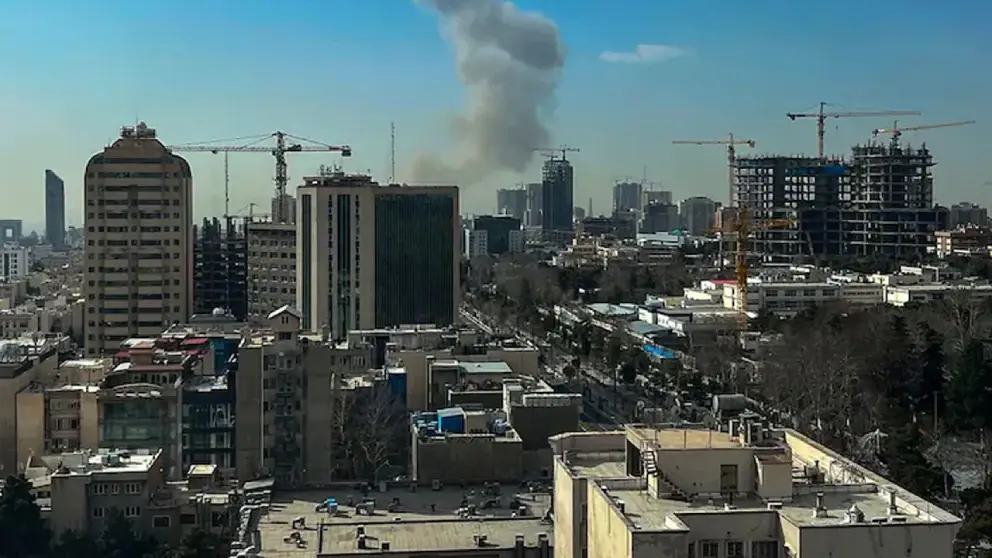
In Tehran, the strikes brought daily life to a terrifying halt. Thick plumes of smoke were seen rising into the sky over central and eastern districts. News agency Reuters, citing local media, reported scenes of mass panic, with civilians observed running for cover in several parts of the city.
Adding to the terror and confusion, a deliberate severing of communications occurred. Mobile phone services were entirely cut out in eastern and western Tehran, a common tactic during heavy bombardment to prevent the coordination of emergency services, disrupt citizen reporting, and sow psychological distress. Furthermore, Iran immediately closed its entire airspace, grounding all commercial flights and isolating the country from the outside world.
Israel’s State of Emergency
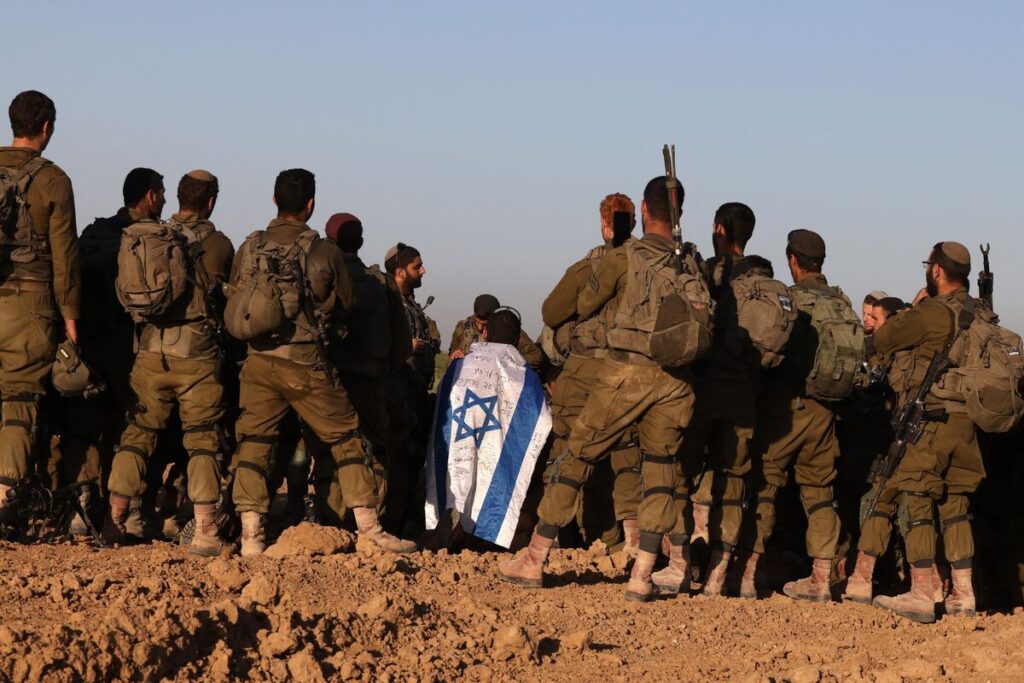
Israel, having initiated the strike and fully anticipating Tehran’s retaliation, went into immediate lockdown. The Israeli military declared a nationwide state of emergency.
Air Raid Sirens: Sirens sounded protectively across the country to prepare the public for the possibility of incoming Iranian ballistic missiles.
Civilian Restrictions: The military announced a strict prohibition on all educational activities, large gatherings, and workplaces.
Underground Hospitals: In a grim testament to the anticipated severity of the retaliation, several hospitals launched their emergency protocols. This included the highly complex and dangerous task of moving patients, surgical wards, and critical care units into fortified underground facilities.
Gulf Nations in Lockdown
The impact quickly spilled over the borders of the warring nations. In Qatar and Bahrain where US bases were actively being struck by Iranian missiles the US Embassies implemented strict shelter-in-place protocols for all personnel, advising all American citizens in those countries to do the same until further notice.
Chapter 5: The Build-Up – How Did We Get to Operation Epic Fury?
The suddenness of Operation Epic Fury belies the weeks and months of escalating tensions, failed diplomacy, and massive military mobilization that preceded it. This conflict did not happen in a vacuum.
A Military Buildup Reminiscent of the Iraq War
Military analysts have been sounding the alarm for weeks regarding the movement of US forces. The United States had quietly but aggressively amassed a staggering amount of military personnel and ammunition in the Middle East. Analysts pointed out that the scale of these preparations was comparable to the buildup preceding the 2003 invasion of Iraq.
This deployment was not merely defensive posture. It included:
Multiple advanced frigates and guided-missile destroyers.
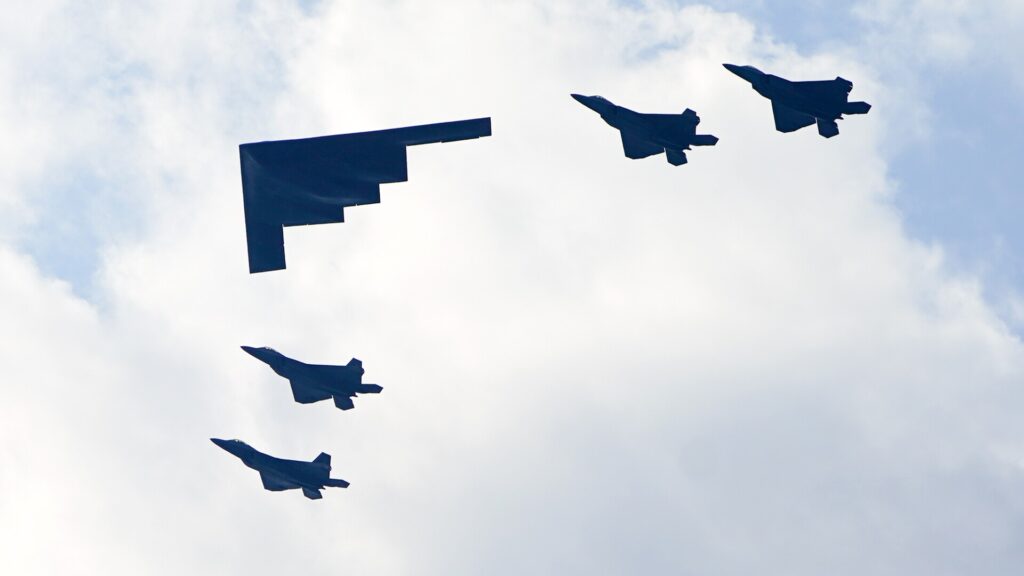
Squadrons of advanced fighter jets (likely F-35s and F-22s).
Massive stockpiles of bunker-busting munitions and precision-guided bombs.
Other critical military assets capable of sustaining a full-scale military operation for weeks, if not months.
This level of mobilization indicated that Washington and Jerusalem had decided weeks ago that a diplomatic solution was no longer viable, and a kinetic operation was inevitable.
The Failed February Diplomacy
The tragedy of this conflict is that it follows a failed attempt at peace. In February, Washington and Tehran had cautiously resumed negotiations. The goal was to resolve decades-long disputes diplomatically and avoid the exact broader regional conflict we are witnessing today.
However, the talks hit a brick wall. Israel vehemently maintained that any agreement must go beyond the parameters of previous nuclear deals (like the JCPOA). Israel demanded the complete dismantling of Iran's nuclear infrastructure not merely limits on uranium enrichment. Furthermore, Israel pushed for severe restrictions on Tehran's ballistic missile capabilities to be included in any deal.
Iran flatly refused. While Tehran expressed a willingness to discuss limits on its nuclear activities in exchange for the lifting of crippling economic sanctions, it ruled out any negotiations regarding its sovereign missile defense program.
The 12-Day Aerial Conflict in June
The failure of diplomacy in February led directly to violence in the summer. Operation Epic Fury comes just months after Israel and Iran engaged in a bitter 12-day aerial conflict in June. This marked one of the most direct confrontations between the two adversaries up to that point.
There’s more to life than simply increasing its speed.
By Udaipur Freelancer
Following the June conflict, both Israel and the United States issued repeated, explicit warnings: military action would resume if Iran continued advancing its nuclear and ballistic missile programs. Iran ignored these warnings, instead doubling down on its rhetoric, warning neighboring countries that hosting US forces would make them legitimate targets if American bases were used to launch attacks. Saturday's events proved Iran was not bluffing.
Chapter 6: Analyzing the Military Strategy of Both Sides
To grasp the magnitude of the current crisis, we must analyze the tactical doctrines being employed by both the US-Israeli coalition and the Iranian armed forces.
The US-Israeli Pre-Emptive Doctrine
The decision by Defense Minister Israel Katz and US leadership to launch a pre-emptive strike is rooted in a fundamental security doctrine. when facing an existential threat (a nuclear-armed adversary), one cannot wait to be struck first.
By utilizing advanced stealth aircraft (like the F-35i Adir) and precision stand-off munitions, the US and Israel aimed to achieve air superiority and neutralize Iran's air defenses (such as the Russian-made S-300 systems) in the opening hours. Targeting leadership and intelligence centers simultaneously was an attempt to create a shock and awe effect, paralyzing the Iranian military's ability to communicate with its missile silos and proxy forces across the Middle East.
However, the phrase eliminate its naval capabilities used by Donald Trump is particularly telling. Iran’s naval strategy relies heavily on swarm tactics using hundreds of small, fast attack craft equipped with anti-ship missiles, operated by the IRGC. By targeting port cities like Bushehr, the US is actively trying to neutralize Iran's ability to close the Strait of Hormuz, a critical chokepoint for global energy supplies.
Iran's Forward Defense and Ballistic Deterrence
Iran knows it cannot defeat the United States Air Force or the Israeli Air Force in a traditional dogfight. Therefore, its military doctrine is built on two pillars, proxy warfare (Hezbollah, Houthis, militias in Iraq/Syria) and a massive ballistic missile arsenal.
Tehran’s immediate strikes on Al Udeid, Al Dhafra, and the Fifth Fleet demonstrate their Forward Defense strategy perfectly. By striking US bases in Qatar, the UAE, and Bahrain, Iran is attempting to accomplish several goals:
Impose unacceptable costs: Show the US that any attack on Iranian soil will result in American casualties.
Fracture the US-Gulf alliance: Send a terrifying message to Gulf Arab states that American protection comes at the cost of their own domestic security and infrastructure.
Overwhelm defenses: By launching simultaneous strikes across multiple countries, Iran attempts to saturate and overwhelm US Patriot and THAAD missile defense batteries.
Chapter 7: The Geopolitical and Economic Fallout
The ramifications of Operation Epic Fury and the ensuing Iranian retaliation will be felt far beyond the borders of the Middle East. The global economy, international diplomacy, and the balance of world power are all shifting under the weight of these missiles.
The Global Energy Crisis: The Threat to the Strait of Hormuz
The most immediate global impact will be felt at the gas pump and in energy markets worldwide. The Persian Gulf is the artery of global oil. Approximately 20% of the world's total oil consumption passes through the narrow Strait of Hormuz.
With Iran openly attacking military bases in the UAE, Bahrain, Kuwait, and Qatar, commercial shipping in the Gulf is effectively paralyzed. Insurance premiums for oil tankers will skyrocket, and many shipping conglomerates will simply refuse to enter the region. If Iran follows through on its long-standing threat to mine the Strait of Hormuz or attack commercial oil infrastructure in Saudi Arabia or the UAE, crude oil prices could easily spike to unprecedented levels, triggering a global economic recession.
The Diplomatic Nightmare for Gulf Nations
The UAE, Qatar, Bahrain, and Kuwait are now caught in the ultimate geopolitical crossfire. These nations have spent the last decade trying to balance their vital security partnerships with the United States against the geographic reality of sharing a neighborhood with a powerful, aggressive Iran.
Iran's warning to neighboring countries has come true. By striking US bases on their soil, Iran has violated their sovereignty. These Gulf nations now face a terrifying dilemma. Do they allow the US to use their territory to launch further attacks against Iran, essentially declaring war on Tehran themselves? Or do they demand the US stand down, thereby alienating their primary security guarantor?
The Proxy Awakening: Hezbollah, the Houthis, and Iraq
While the current headlines are focused on ballistic missiles, the next phase of this conflict will likely involve Iran's Axis of Resistance.
Hezbollah in Lebanon: Boasting an arsenal of over 100,000 rockets pointed at northern Israel, Hezbollah is Iran's ultimate deterrent. With Israel launching Operation Epic Fury, it is highly likely Hezbollah will open a massive northern front, forcing the IDF to fight a devastating two-front war.
The Houthis in Yemen: The Houthis have already demonstrated their ability to disrupt global shipping in the Red Sea. They will likely escalate their attacks on commercial vessels and potentially launch drones and missiles at Saudi Arabia and southern Israel.
Militias in Iraq and Syria: US troops stationed in Iraq and Syria are essentially sitting ducks for Iran-backed militias. We can expect a sharp increase in rocket and drone attacks on bases like Al Asad in Iraq and Al-Tanf in Syria.
Chapter 8: Analyzing the Leadership's Rhetoric
The words spoken by the leaders in the hours following the strikes provide a chilling glimpse into their mindsets and the unlikelihood of an immediate ceasefire.
US President Donald Trump's Red Line
President Trump's statement that his administration will ensure that Iran does not obtain a nuclear weapon and will dismantle its missile industry is maximalist. It leaves virtually no room for diplomatic off-ramps. By declaring the objective is to eliminate the regime's military capabilities entirely, the US is committing to a sustained, prolonged military campaign. This is not a one and done surgical strike; it is a declaration of systemic demilitarization.
Israel Katz and the Pre-Emptive Justification
Israeli Defense Minister Israel Katz's characterization of the attack as pre-emptive to remove threats to the State of Israel is a continuation of the Begin Doctrine Israel's stated policy to pre-emptively strike any enemy nation developing weapons of mass destruction (previously applied to Iraq in 1981 and Syria in 2007). However, applying this doctrine to a massive nation like Iran, with deeply buried facilities, requires a level of force previously unseen in Israeli history.
The Defiance of Ayatollah Khamenei
Despite his office being targeted and being moved to a secure location, the Supreme Leader and Tehran officials' promise of a crushing response indicates that the regime believes its survival depends on projecting strength. Iran's leadership views its missile program not as an offensive luxury, but as the only guarantor of its existence against superior US and Israeli airpower. They cannot and will not back down without fundamentally altering their revolutionary ideology.
Chapter 9: What Happens Next? Scenarios for the Coming Weeks
As the smoke clears from the initial salvos of Operation Epic Fury, the world is looking at several grim scenarios for the coming days and weeks.
Scenario A: A Cycle of Escalation and Attrition
The most likely scenario is a deadly tit-for-tat that spirals out of control. The US and Israel will likely launch a second wave of strikes to destroy the Iranian missile launchers that fired on the Gulf bases. Iran will respond by activating Hezbollah and striking deeper into Israeli population centers like Tel Aviv, while simultaneously targeting civilian infrastructure in the UAE and Saudi Arabia to inflict economic pain. This could drag on for the weeks that military analysts predicted based on the US buildup.
Scenario B: Full-Scale Regional War
If an Iranian missile successfully kills a large number of American troops at Al Udeid or the Fifth Fleet headquarters, the US public and political pressure will demand an overwhelming response. This could lead to a full-scale US ground and air invasion aimed at regime change in Tehran a conflict that would dwarf the Iraq war in terms of blood, treasure, and global disruption.
Scenario C: The Desperate Diplomatic Off-Ramp
While unlikely in the immediate heat of battle, international players like China, Russia, and the European Union terrified of a global economic collapse will desperately try to broker a ceasefire. However, with Israel demanding the total dismantling of Iran's nuclear infrastructure and Iran demanding the expulsion of US forces from the region, finding middle ground seems currently impossible.
Conclusion: A World Forever Changed
Operation Epic Fury and the immediate Iranian retaliation mark a historical turning point. The guardrails that have kept the Middle East in a state of violent, yet contained, equilibrium have been utterly destroyed.
The US and Israel have crossed a Rubicon by directly attacking the Iranian leadership and its nuclear core. Iran has crossed its own red line by directly bombing massive American military installations in neighboring sovereign countries.
As hospitals in Israel move underground, as the skies over Tehran remain choked with smoke, and as US service members in the Gulf brace for the next wave of ballistic missiles, one thing is agonizingly clear: the war that diplomats, analysts, and citizens have feared for decades has finally arrived. The geopolitical landscape of the Middle East, the security of global energy markets, and the balance of international power will never be the same.
The coming days will test the resolve of world leaders, the resilience of civilian populations caught in the crossfire, and the very fabric of global stability. We are watching history unfold, and the cost of this conflict will be measured not just in destroyed infrastructure, but in the tragic human toll that is only just beginning.
Q1: What is Operation Epic Fury? A: Operation Epic Fury is the codename for a massive, coordinated, pre-emptive missile strike launched by the United States and Israel against key government, military, and nuclear facilities within Iran.
Q2: Why did the US and Israel attack Iran? A: According to US President Donald Trump and Israeli Defense Minister Israel Katz, the strikes were launched to eliminate imminent threats, prevent Iran from obtaining a nuclear weapon, and dismantle Iran's ballistic missile and naval capabilities following a breakdown in diplomacy.
Q3: How did Iran respond to the strikes? A: Iran responded immediately with fierce retaliation, launching ballistic missiles at multiple US military installations across the Persian Gulf, including bases in the UAE, Bahrain, Qatar, and Kuwait.
Q4: Which US bases were attacked by Iran? A: Iranian missiles targeted Al Dhafra Air Base (Abu Dhabi), the US Fifth Fleet Headquarters (Bahrain), Al Udeid Air Base (Qatar), and Ali Salem Air Base (Kuwait).
Q5: What was targeted inside Iran during Operation Epic Fury? A: Targets included the offices of the Supreme Leader and President, the Ministries of Intelligence and Defence, the Iranian Atomic Energy Agency, and various military complexes. Strikes hit Tehran, Isfahan (a nuclear center), Tabriz (a missile base), Bushehr, Qom, Karaj, and Kermanshah.
Q6: How will this affect the global economy? A: The conflict is highly likely to disrupt commercial shipping in the Persian Gulf and the Strait of Hormuz, which will likely lead to a massive spike in global oil prices and severe economic instability worldwide.
Udaipur Freelancer delivers high-quality web, marketing, and design solutions. We focus on building impactful digital experiences that help your brand succeed in today's market.










Recommended for you
Must-See Art Exhibitions Around the World This Year
The Revival of Classical Art in a Digital Age
Breaking Down the Elements of a Masterpiece Painting
The Revival of Classical Art in a Digital Age