The Madhya Pradesh High Court has recently made a major move. It has issued a formal notice to the state government. This notice comes after a plea was filed in the court asking to stop the famous 'Ladli Behna' scheme. The main reason behind this plea is the very high financial cost of the program. People are worried that the scheme is putting too much pressure on the state's bank account.
The Ladli Behna scheme is one of the most talked-about social welfare projects in India. However, this new legal challenge has brought its future into question. The High Court wants the state government to explain how it plans to manage the costs. This case has started a big debate about how governments spend public money.
What is the Ladli Behna Scheme?
To understand the court case, we must first look at what the scheme does. The Ladli Behna Yojana was started by the Madhya Pradesh government to help women. Under this scheme, eligible women receive a monthly cash transfer directly into their bank accounts. Initially, the amount was set at 1,000 rupees per month, which was later increased to 1,250 rupees.
The goal of the scheme is to make women financially independent and improve their lives. It helps them buy daily essentials, pay for their children's education, and have a say in family decisions. Millions of women across Madhya Pradesh benefit from this scheme every month. Because of its scale, it requires a massive amount of money to keep running.
Why Has a Plea Been Filed in Court?
A petition was filed in the High Court by a concerned citizen. The petitioner argues that while helping women is a good goal, the financial cost of this scheme is too high. According to the plea, the state government is spending thousands of crores of rupees every month on this single program. To do this, the government has to take large loans from banks and financial institutions.
The petitioner claims that this heavy borrowing is pushing Madhya Pradesh into a deep debt trap. If the state continues to borrow so much money, it might not have enough funds for other important needs. These needs include building roads, improving schools, and upgrading hospitals. The plea asks the court to stop the scheme to save the state from a major financial crisis.
Welfare Schemes and Political Momentum
Welfare programs like the Ladli Behna scheme are very popular among voters. Many political analysts believe that this scheme played a key role in the ruling party's success in the last state elections. It gave the government a massive boost in popularity. Across India, different political parties use similar financial help schemes to gain support from the public.
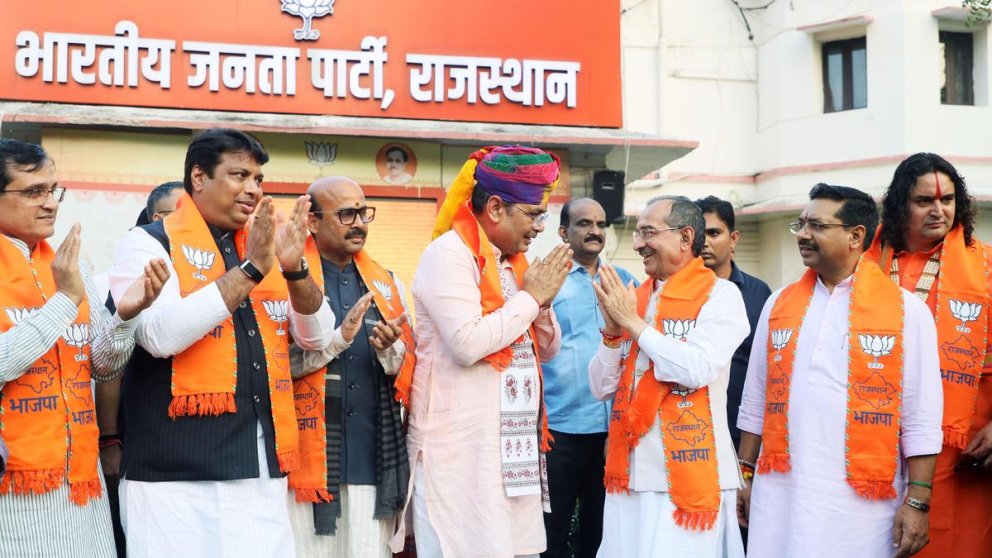
For example, we often see a major search for political momentum where parties launch big welfare promises to win back voters. While these schemes do help poor families in the short term, they also raise questions about long-term financial health. Economists often warn that spending too much on direct cash transfers can hurt the overall development of a state.
There’s more to life than simply increasing its speed.
By Udaipur Freelancer
The Balance Between Welfare and Debt
Every government has a limited amount of money. This money comes from taxes paid by the citizens. When a government decides to spend a huge portion of its budget on cash gifts, it has to cut down spending elsewhere. The petitioner in the High Court highlighted this exact problem. They argued that the state's development works have slowed down because of the Ladli Behna scheme.
On the other hand, supporters of the scheme say that direct cash transfers are the best way to fight poverty. They argue that when poor women get cash, they spend it in local markets. This spending actually helps the local economy grow. Therefore, they believe the scheme is an investment in the people, not a waste of money.
Legal Battles Over Public Resources
This is not the first time a state policy has faced legal trouble over resources and funds. India has a long history of legal battles regarding how public resources are used. Some of these disputes can go on for decades, similar to the famous Punjab-Haryana dispute that has seen many legal and political turns over the years.
When public money is involved, courts often have to step in to make sure the government is acting responsibly. The Madhya Pradesh High Court's decision to issue a notice shows that the court is taking the financial concerns seriously. The court wants to see the actual numbers and the government's long-term plan before making a final decision.
What Happens Next?
Now that the High Court has issued a notice, the Madhya Pradesh government must reply. The government's lawyers will have to present detailed financial reports in court. They will need to prove that the state can afford the Ladli Behna scheme without harming other public services or going bankrupt.
Millions of women who rely on this monthly cash transfer will be watching this case closely. Any change to the scheme could affect their household budgets. At the same time, taxpayers and economists will also be waiting to see how the court balances public welfare with financial discipline. It is a highly sensitive matter that will influence future government policies across the entire country.
Udaipur Freelancer delivers high-quality web, marketing, and design solutions. We focus on building impactful digital experiences that help your brand succeed in today's market.













Recommended for you
Must-See Art Exhibitions Around the World This Year
The Revival of Classical Art in a Digital Age
Breaking Down the Elements of a Masterpiece Painting
The Revival of Classical Art in a Digital Age