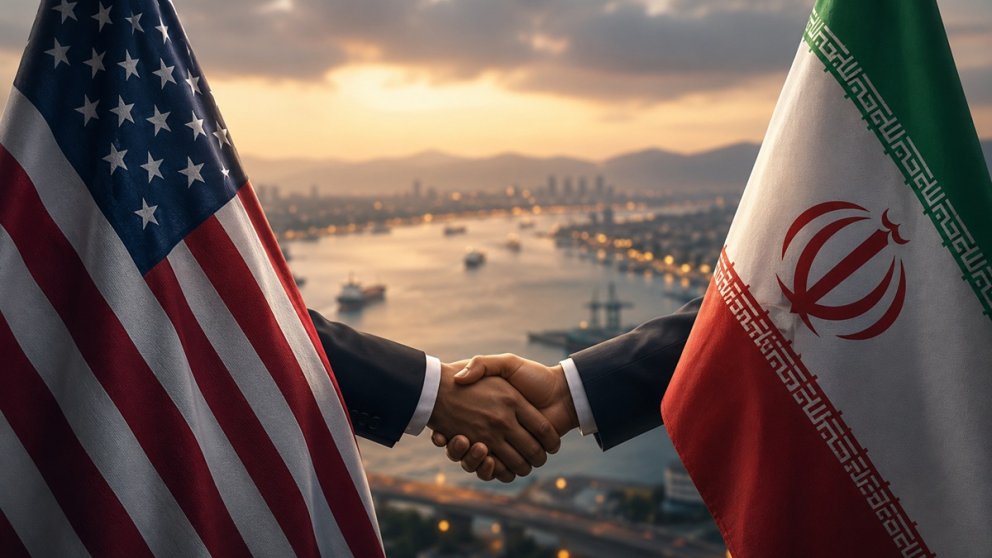
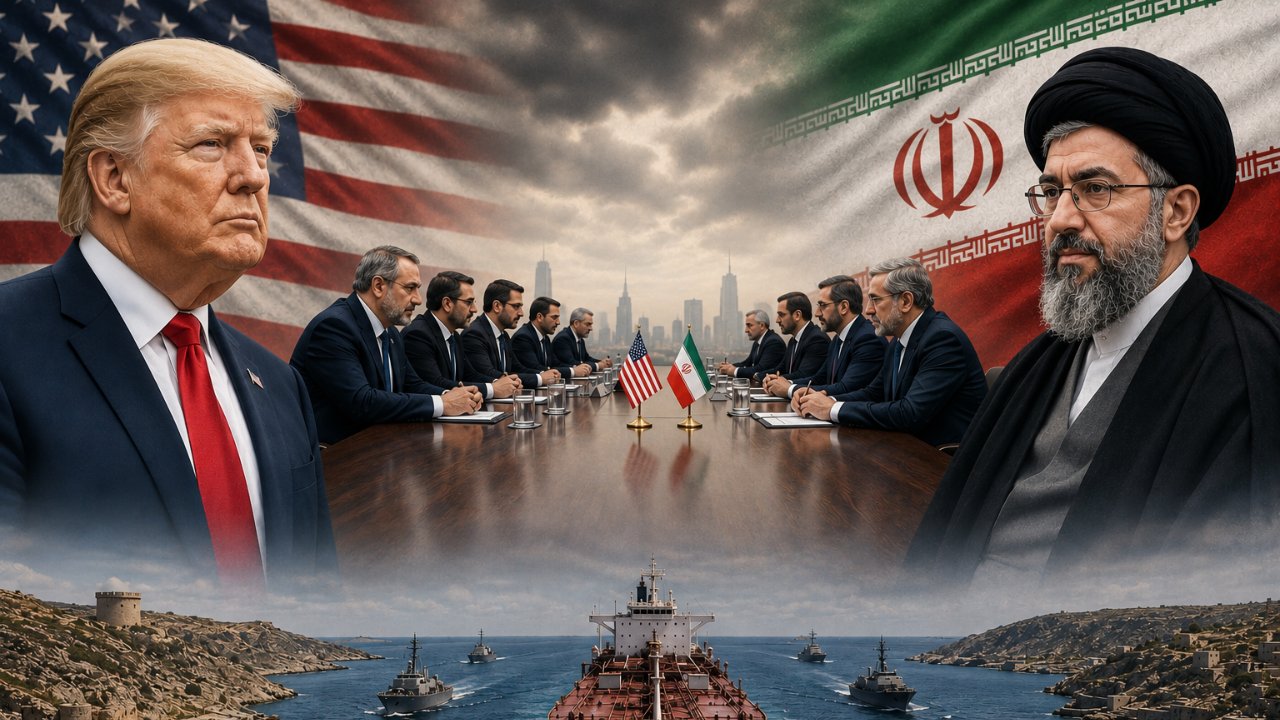
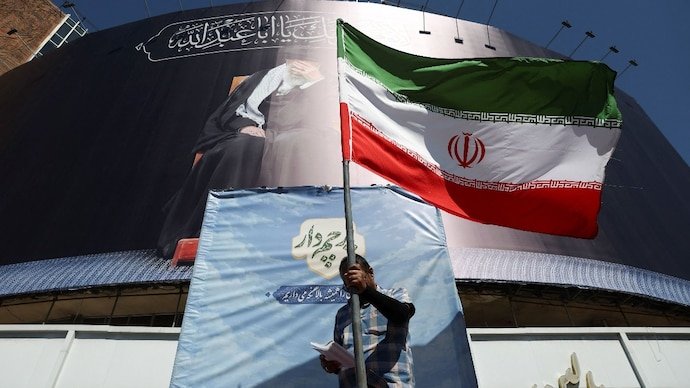
The United States and Iran are starting a new journey toward a long-term agreement. This news has brought both hope and worry to the Middle East. As diplomats look for peace, leaders in the Gulf are asking hard questions. They want to know what this deal really means for their future and how much power it might give to Tehran.
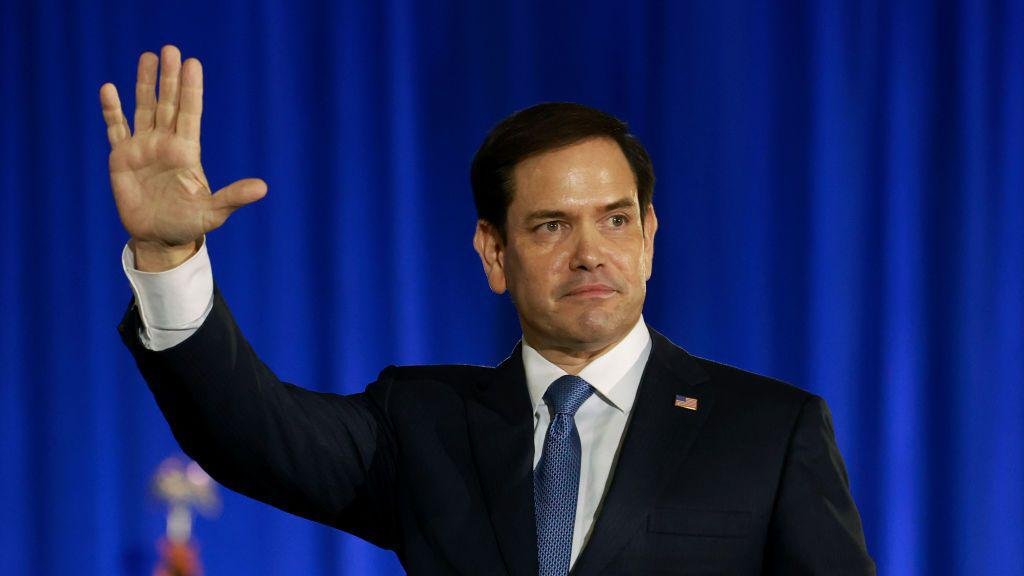
US Secretary of State Marco Rubio is traveling to the region this week. He will visit the United Arab Emirates, Kuwait, and Bahrain. His goal is to calm the fears of Washington's closest allies. Many are watching the US-Iran two-week ceasefire breakdown and wondering if a lasting peace is truly possible.
The $300 Billion Reconstruction Question
One of the biggest concerns is a plan to provide $300 billion for the reconstruction and economic development of Iran. While many Gulf countries want to stop the conflict, they are worried about the cost. There is a fear that this money could be used to boost Iran's military instead of helping the economy. Many neighbors worry that without strict rules, this financial package could shift the balance of power.
The agreement is still being finalized, and details are coming out slowly. People are especially concerned because the deal does not clearly address Iran's ballistic missile program. Given the past attacks on civilian infrastructure in the region, these fears are very real for countries that host American military bases.
Humanitarian Aid and Financial Oversight
Vice President JD Vance recently explained a unique approach to handling frozen Iranian assets. To ensure that money does not fund terrorism, the US and Qatar will have oversight over spending. The plan involves buying American wheat and corn for the Iranian people. This way, the funds directly help citizens rather than supporting military actions.
There’s more to life than simply increasing its speed.
By Udaipur Freelancer
In the world of global finance, transparency is everything. Much like people analyze bitcoin price analysis and trade dispute ETFs to understand market risks, regional leaders are carefully analyzing every word of this deal. The US government is trying to balance the need for humanitarian support with the security needs of its partners.
What Happens Next?
Secretary Rubio faces a busy three-day trip. He must listen to the leaders in the UAE, Kuwait, and Bahrain and provide clarity. The success of these talks depends on how well Washington can prove that this deal brings safety to everyone, not just one side. As the mechanisms for the plan are finalized over the next 60 days, the world will be watching closely.
Udaipur Freelancer delivers high-quality web, marketing, and design solutions. We focus on building impactful digital experiences that help your brand succeed in today's market.














Recommended for you
Must-See Art Exhibitions Around the World This Year
The Revival of Classical Art in a Digital Age
Breaking Down the Elements of a Masterpiece Painting
The Revival of Classical Art in a Digital Age