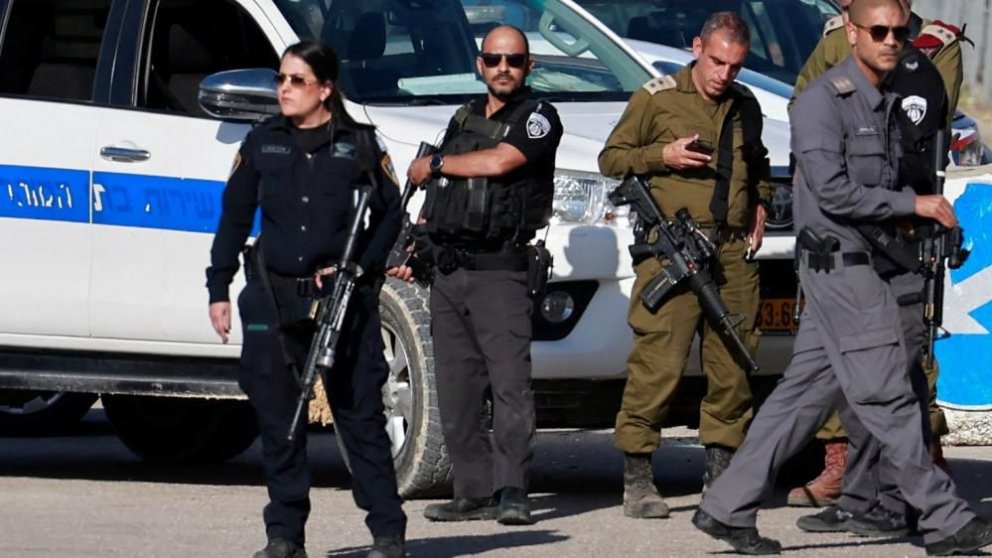
The situation in the Middle East remains incredibly tense. Recently, the Iranian judiciary made a startling announcement that has drawn global attention. Officials stated that 3,292 people have been arrested in recent months. The government claims these individuals were working for “the enemy,” specifically pointing toward alleged connections with Israel.
Why Are These Arrests Happening?
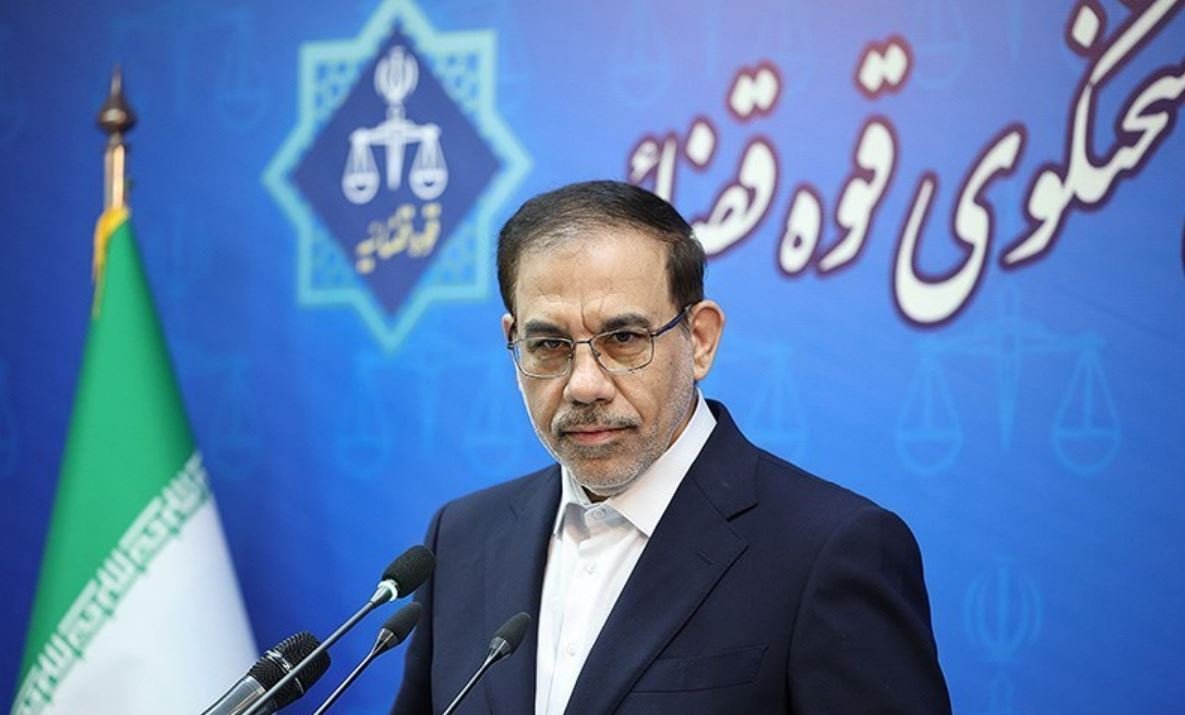
According to judiciary spokesperson Asghar Jahangir, these arrests are part of a broader security effort. Out of the total number of people in custody, 684 are accused of carrying out direct “operational actions” on behalf of Israel. Furthermore, over 1,200 people are being charged with spreading political propaganda against the Iranian state. Authorities have also begun seizing the assets of those they label as traitors.
While the government frames these actions as a matter of national security, the atmosphere is clearly taking a toll on public well-being. Much like how unstable blood sugar makes your anxiety feel unmanageable, the constant cycle of news and political instability creates deep stress and uncertainty for ordinary citizens. The fear of being targeted for one’s opinions or connections has left many living in silence.
International Concerns and Human Rights
International observers and human rights groups have expressed grave concerns regarding these developments. Amnesty International and other organizations argue that the Iranian government is using “wartime conditions” as a shield to suppress dissent. They claim that mass detentions and forced confessions are being used to silence anyone who speaks out against the regime. When policies change rapidly, it can be as confusing as trying to figure out if smartphones will become cheaper or more expensive, though the consequences here are far more severe.
The scale of the crackdown is significant. Since the start of the year, there have been reports of at least 40 executions linked to political charges. These figures highlight a disturbing trend where the judiciary is being used to conduct accelerated and often unfair trials. For the international community, these events represent a major humanitarian crisis that continues to evolve without a clear end in sight.
There’s more to life than simply increasing its speed.
By Udaipur Freelancer
The Future of Regional Stability
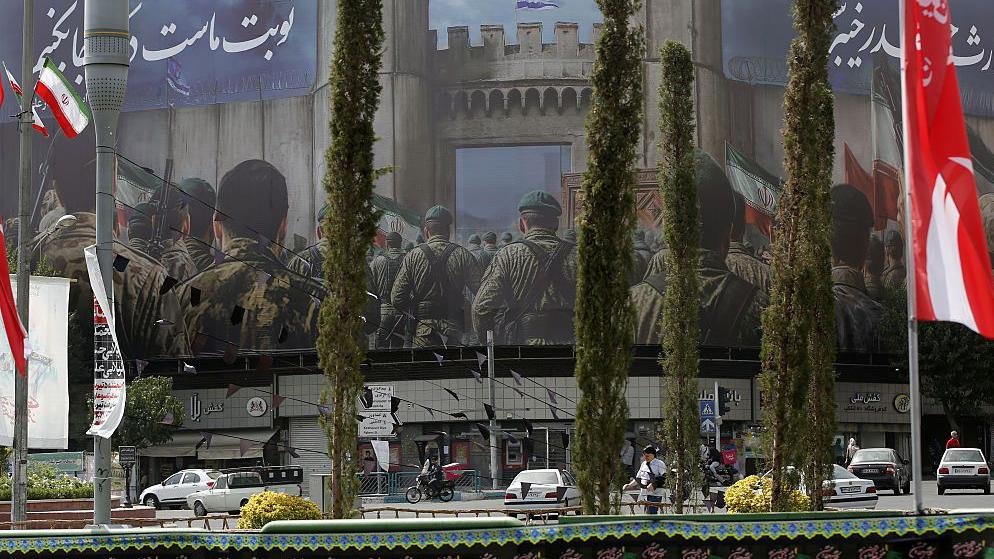
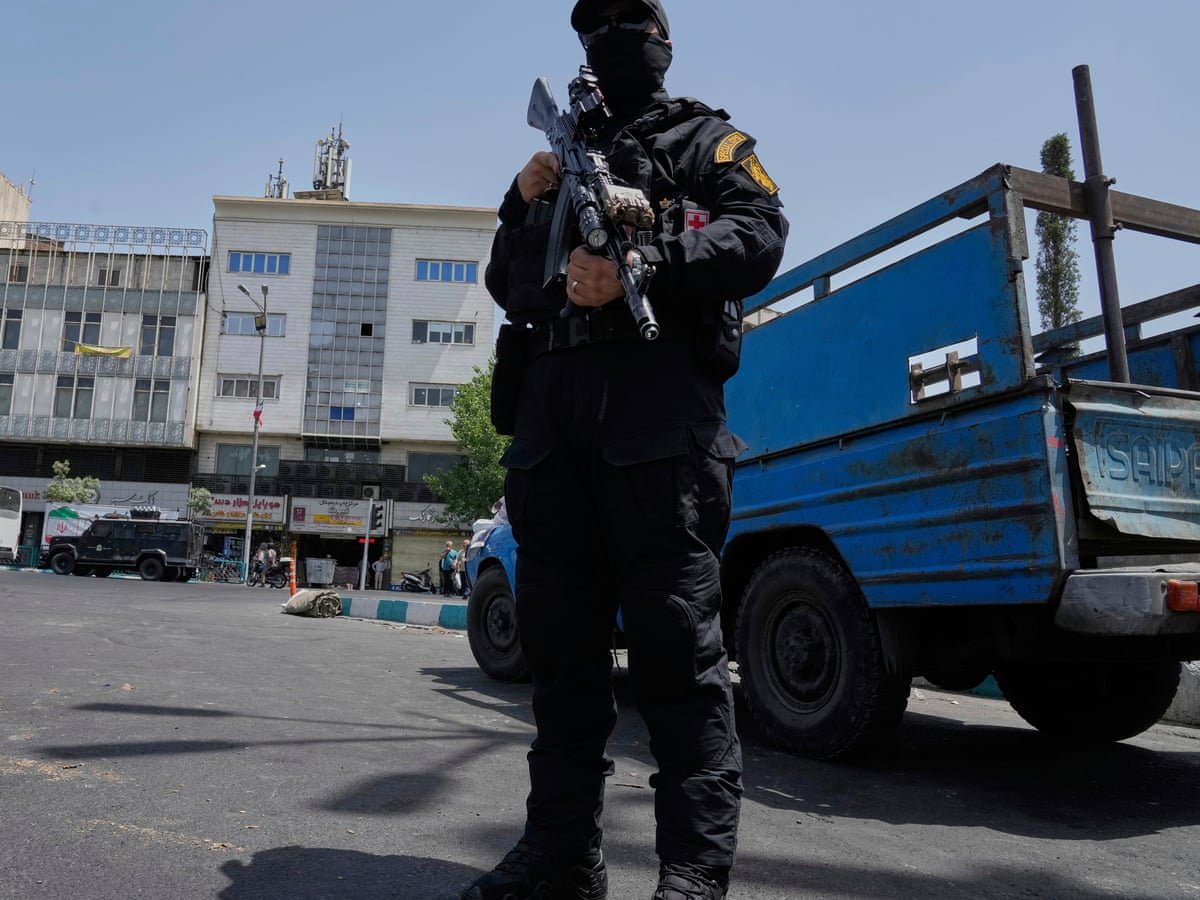
The Iranian government maintains that it must act firmly against what it calls a spy network. Intelligence branches of the Revolutionary Guards have stated that they are prepared to stop any riots or sabotage efforts. However, critics argue that the government is casting a very wide net, capturing not just active opponents, but also people who simply criticize the state's policies. As this pattern of property seizures and arrests continues, the divide between the state and parts of the population only seems to grow wider.
It is clear that the region is going through a difficult period of transition and conflict. As the world watches these events unfold, the main hope remains for a de-escalation that allows for justice and human rights to prevail. Until then, these mass detentions remain a central point of conflict within the geopolitical landscape.
Udaipur Freelancer delivers high-quality web, marketing, and design solutions. We focus on building impactful digital experiences that help your brand succeed in today's market.











Recommended for you
Must-See Art Exhibitions Around the World This Year
The Revival of Classical Art in a Digital Age
Breaking Down the Elements of a Masterpiece Painting
The Revival of Classical Art in a Digital Age