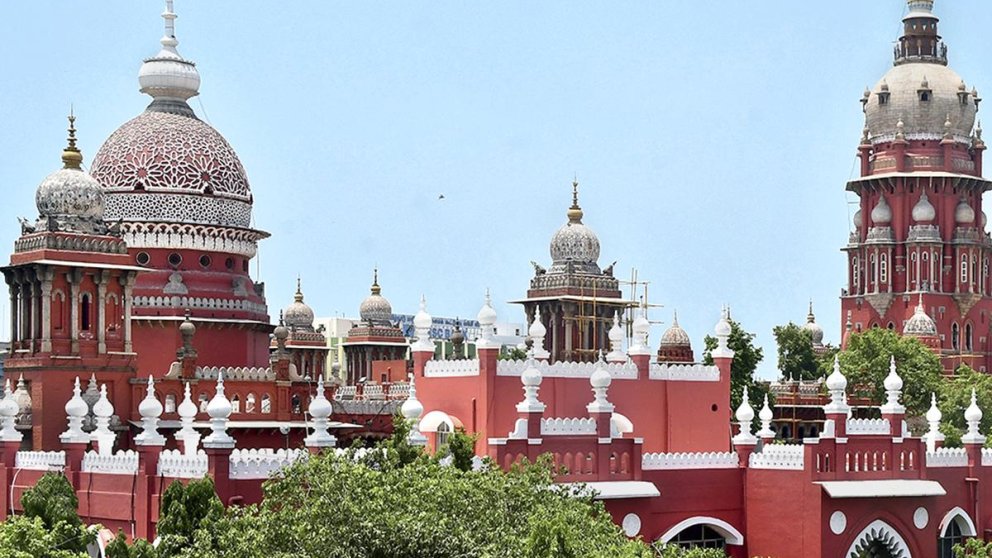
Education is very important for the future of young students. When universities do not have top leaders, it creates many problems. Recently, the Madras High Court asked the Tamil Nadu government a very serious question. The court wants to know when 14 state-run universities will finally get Vice-Chancellors and Syndicates.
Why the Madras High Court Intervened
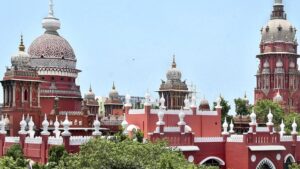
The Madras High Court raised this question during a hearing about university management in the state. For a long time, many public universities in Tamil Nadu have been running without official leadership. A Vice-Chancellor is the head of a university. Without a Vice-Chancellor, important decisions cannot be made easily. Degrees, teacher appointments, and daily administration get delayed.
The judges asked the state government to give a clear answer. They want a proper timeline showing when these empty leadership posts will be filled. The court emphasized that students should not suffer because of administrative delays.
What Happens When Universities Lack Vice-Chancellors?
When a university operates without a Vice-Chancellor, simple tasks become difficult. The Syndicate, which acts as the main decision-making council of the university, also needs proper leadership to function. Without official heads, key responsibilities get stuck:
1. Issuing Certificates: Degree certificates often require formal approval. Students who pass out may face delays in getting their official documents.
2. Hiring Teachers: New professors cannot be hired smoothly without executive decisions. This leads to staff shortages in departments.
[
3. Using Funds: Development money and government grants cannot be spent properly without administrative approval. State spending decisions, similar to discussions around the Tamil Nadu budget updates, require strict management to ensure public funds help people effectively.
The Role of Government and Governor
In Tamil Nadu, the selection of Vice-Chancellors has seen disagreements between the state government and the Governor, who acts as the Chancellor of state universities. Both sides have had different views on how search committees should be created to select candidates.
Because of these disagreements, search committees were delayed or cancelled. This left 14 universities operating under temporary arrangements or interim committees. While interim arrangements help run basic work, they cannot make major policy decisions.
Impact on Students and Teachers
Students enter colleges and universities to build their careers. When administrative systems are slow, students feel stressed. They worry about whether their degrees will be processed on time for higher studies or job applications.
There’s more to life than simply increasing its speed.
By Udaipur Freelancer
Teachers and college staff also face issues. Promotions, research funding, and campus improvements depend on syndicate meetings. When leadership is absent, everything moves slowly. Just as safety measures are critical in public infrastructure to prevent disasters like the Amravati hospital fire tragedy, strong leadership in education is necessary to protect the system from falling apart.
What Steps Should Be Taken Next?
The Madras High Court's question puts pressure on the government to act quickly. To solve this problem permanently, a few steps are necessary:
First, the state government and the Governor's office must cooperate to form search committees. Personal or political differences should be set aside for the sake of education.
Second, the selection process should be transparent and fast. Qualified scholars and experienced educators should be appointed to these top roles without unnecessary delays.
Third, a clear policy should be created so that future vacancies are filled before the outgoing Vice-Chancellor's term ends. This will prevent leadership gaps in the future.
Conclusion
Higher education in Tamil Nadu has a strong reputation across India. Many talented students graduate from these 14 state-run universities every year. Leaving these institutions without Vice-Chancellors and Syndicates hurts the quality of education and administrative efficiency.
The Madras High Court's intervention is a step in the right direction. Everyone now waits to see how quickly the Tamil Nadu government responds and fills these crucial positions for the benefit of thousands of students.
Udaipur Freelancer delivers high-quality web, marketing, and design solutions. We focus on building impactful digital experiences that help your brand succeed in today's market.










Recommended for you
Must-See Art Exhibitions Around the World This Year
The Revival of Classical Art in a Digital Age
Breaking Down the Elements of a Masterpiece Painting
The Revival of Classical Art in a Digital Age