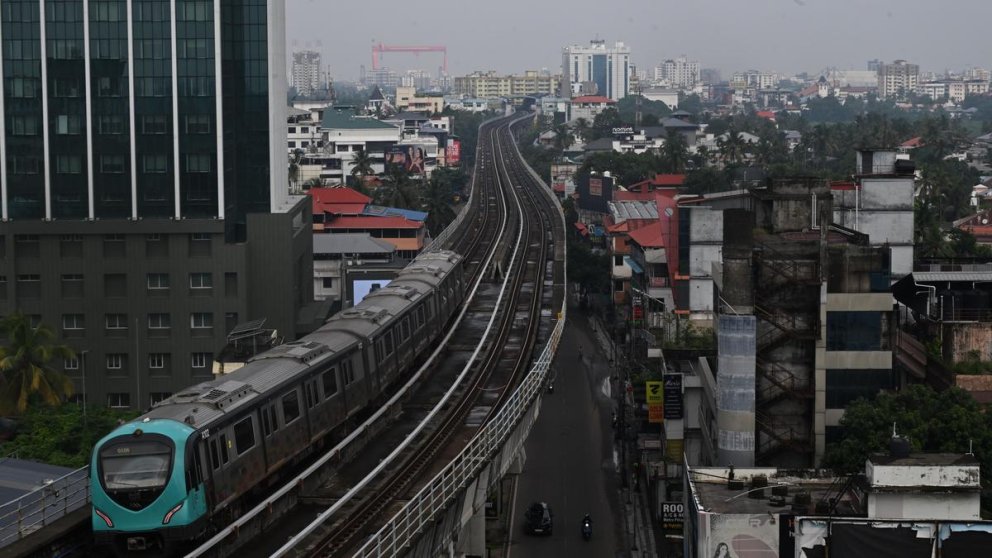
Good news has come for public transport in Kerala. The Kochi Metro has recorded an operational profit for the first time in recent years. At the same time, the company has managed to cut down its overall net loss. This achievement shows that more people are using the metro for their daily travels, and the management is handling expenses very well.
A Great Milestone for Kochi Metro
Public transport projects around the world often struggle to make money. Building metro tracks, buying trains, and keeping stations clean requires a massive amount of investment. However, Kochi Metro has reached a major milestone by generating an operational profit. Making an operational profit means that the money earned from ticket sales and non-ticket sources was higher than the daily cost of running the trains and managing the stations.
Even though total net losses still exist due to loans and interest costs, lowering the net loss is a very positive sign. It proves that the metro system is moving towards long-term financial stability. Over the past year, daily passenger numbers have steadily increased as more commuters choose trains over crowded city roads.
Why Are More People Choosing the Metro?
There are several simple reasons why ticket revenue has grown in Kochi. First, traffic jams in the city center can waste a lot of time. By taking the metro, passengers can reach their destinations quickly and without any stress. The clean stations, comfortable air-conditioned coaches, and polite staff also attract commuters every day.
Second, Kochi Metro has introduced smart ticketing systems and discount offers for regular travelers. Many office workers, college students, and shoppers prefer the train because it saves them time and money on fuel. As urban work patterns change globally, people value efficient commutes. For instance, discussions around city infrastructure and modern workplace shifts, like the dubai 4 day work week indian reaction, highlight how essential modern public transit is for busy city dwellers.
Earning Beyond Ticket Sales
Ticket sales alone are rarely enough to support a large metro network. To boost income, Kochi Metro focused heavily on non-fare revenues. These additional earnings played a big role in achieving an operational profit.
Some of the successful non-ticket revenue ideas include:
1. Renting out retail spaces inside metro stations for shops, cafes, and kiosks.
2. Selling advertising space on station walls, pillars, and inside train cars.
There’s more to life than simply increasing its speed.
By Udaipur Freelancer
3. Offering station naming rights to major companies and brands.
4. Organizing special events and pop-up markets in open station areas.
By using its space creatively, Kochi Metro created new income streams without raising ticket prices for regular riders.
Smart Cost Management
Increasing revenue is only half of the story. The metro authorities also focused on saving money wherever possible. They used solar energy at stations and depots to reduce electricity bills. Solar panels installed on station roofs supply clean energy, which lowers operational costs and protects the environment.
They also optimized train schedules to match peak and off-peak passenger demands. By managing staff schedules better and automating maintenance tasks, the organization reduced unnecessary expenses. Media attention often stays focused on political headlines, like reports on old tweets new trouble bengal actors post poll violence, but quiet achievements in local infrastructure matter just as much to everyday citizens.
What Lies Ahead for Kochi Metro?
The future looks bright for Kochi Metro as phase expansions continue. Connecting the metro network to the international airport and outer city suburbs will bring in thousands of new passengers every day. More passengers mean higher ticket sales and better overall profits.
Additionally, the integration of feeder buses and electric water taxis under the Water Metro project creates a seamless travel experience across the region. When different modes of transport connect easily, the entire city benefits. Kochi is setting a wonderful example for other mid-sized cities in India. It shows that with smart management, green technology, and customer-focused services, public transportation can be both popular and financially successful.













Recommended for you
Must-See Art Exhibitions Around the World This Year
The Revival of Classical Art in a Digital Age
Breaking Down the Elements of a Masterpiece Painting
The Revival of Classical Art in a Digital Age