The Kerala High Court has made an important decision in the trial of the famous Abhimanyu murder case. The court has turned down a plea that asked for the trial to be conducted in-camera. This means the court proceedings will not take place behind closed doors. Instead, the trial will remain open to the public and the press as usual.
This case has been followed closely by people across Kerala for several years. The decision by the court brings attention back to how public trials work and why open justice is so important in high-profile criminal cases.
What Is an In-Camera Trial?
Before understanding the court decision, it is helpful to know what an in-camera trial means. Normally, court trials in India are open to the general public and reporters. Anyone can sit in the courtroom and listen to the arguments. Reporters can take notes and publish updates about what happened inside.
An in-camera trial is different. In an in-camera proceeding, the judge orders the courtroom to be cleared. Only the judge, lawyers, witnesses, and accused persons are allowed inside. The public and the news media are kept out. In-camera trials are usually granted in sensitive cases, such as sexual assault trials or cases involving children, to protect the privacy and safety of victims.
Background of the Abhimanyu Murder Case
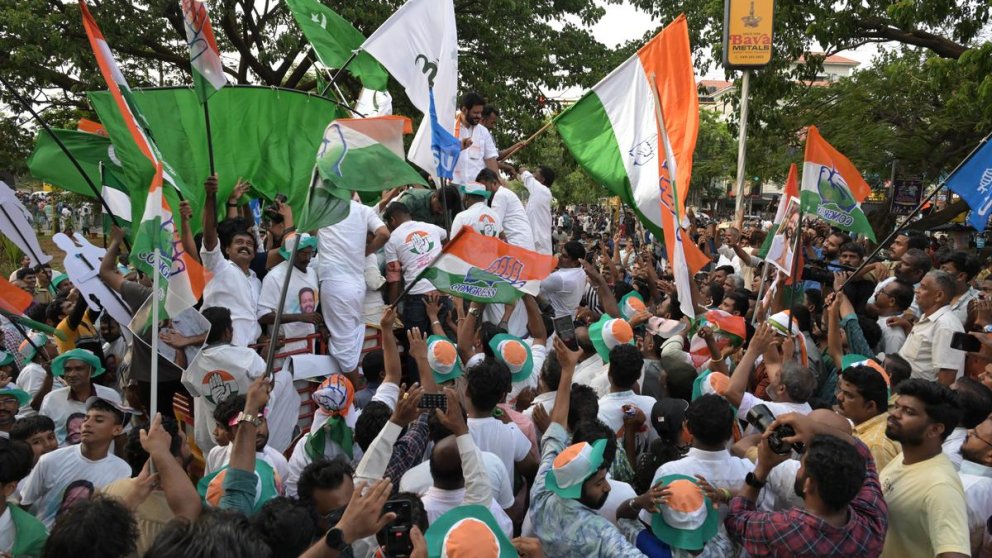
Abhimanyu was a young college student and student leader at Maharaja's College in Ernakulam. In July 2018, he was tragically stabbed to death inside the college campus during a conflict between student groups. The incident shocked the entire state of Kerala because it happened inside an educational institution.
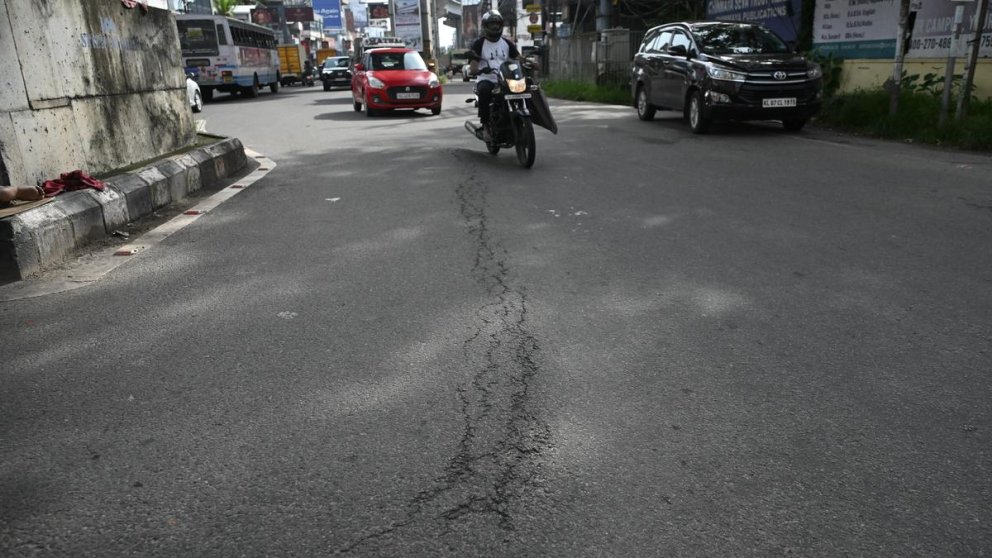
The tragedy occurred in the heart of Ernakulam city. The region often makes headlines for major events, such as when Ernakulam steps up emergency measures after red alert alerts during heavy weather conditions. However, the murder of Abhimanyu was a different kind of crisis that deeply hurt the community and raised serious political and legal debates.
Why Was the Request Made?
[
During the legal process, a request was submitted to conduct the trial behind closed doors. The petition asked for in-camera proceedings to protect witnesses and ensure that the trial could happen without public pressure or safety concerns. In many big murder cases, witnesses can feel scared or nervous when testifying in a room full of people.
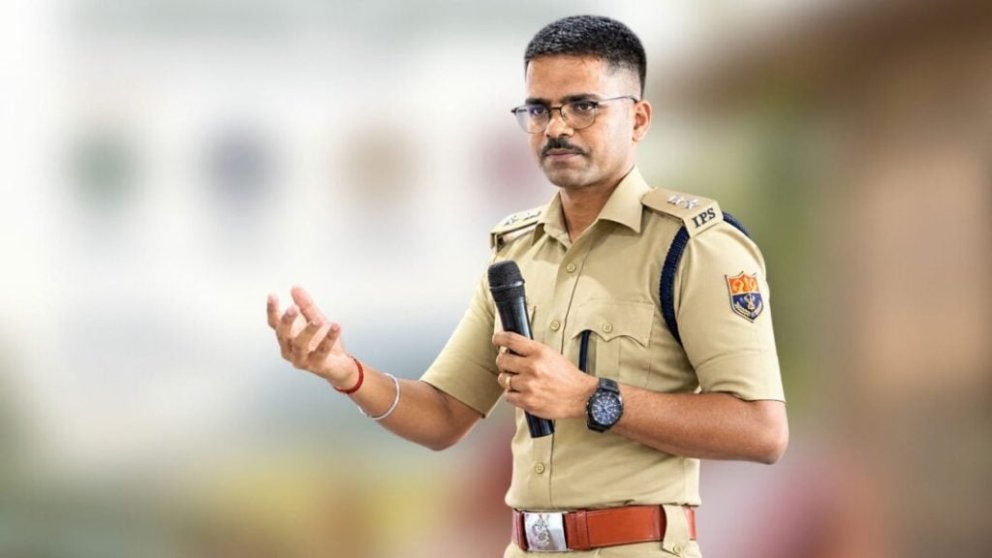
There have been instances where law enforcement actions and public involvement cause tension during big cases, like situation reports where people still called by police after protests despite promises were given to maintain calm. Concerns over safety and order are common reasons why parties request private court sessions.
There’s more to life than simply increasing its speed.
By Udaipur Freelancer
Why the Kerala High Court Denied the Plea
The High Court looked at the reasons presented in the petition and decided that an in-camera trial was not necessary for this case. The judge emphasized that open trials are a fundamental part of the Indian legal system. Trials should only be held in private under special legal conditions defined by law.
The court pointed out that normal security arrangements in and around the trial court can provide adequate protection to everyone involved. Witnesses can be given protection without hiding the entire trial from the public view. Therefore, closing the trial to the public was not justified.
The Importance of Open Justice
Open justice means that legal proceedings are visible to everyone. It helps build trust between the public and the judicial system. When people can see how a trial is conducted, they can be sure that the law is being applied fairly to both the prosecution and the defense.
In high-profile cases like the Abhimanyu murder, open trials allow society to stay informed. It ensures transparency and prevents rumors from spreading. It also ensures that judges, lawyers, and police officials act responsibly under public observation.
What Happens Next?
With the High Court rejecting the plea for private proceedings, the trial will continue in the lower court in an open setting. Witnesses will give their testimony, and evidence will be examined in front of the open court.
The family of Abhimanyu and the public are eager to see justice served in this long-pending case. The court's decision ensures that as the trial moves forward, every step will remain clear and transparent for everyone following the story.
Udaipur Freelancer delivers high-quality web, marketing, and design solutions. We focus on building impactful digital experiences that help your brand succeed in today's market.














Recommended for you
Must-See Art Exhibitions Around the World This Year
The Revival of Classical Art in a Digital Age
Breaking Down the Elements of a Masterpiece Painting
The Revival of Classical Art in a Digital Age