Whether you follow politics closely or just catch the headlines from time to time, you cannot miss what is happening right now in the country.
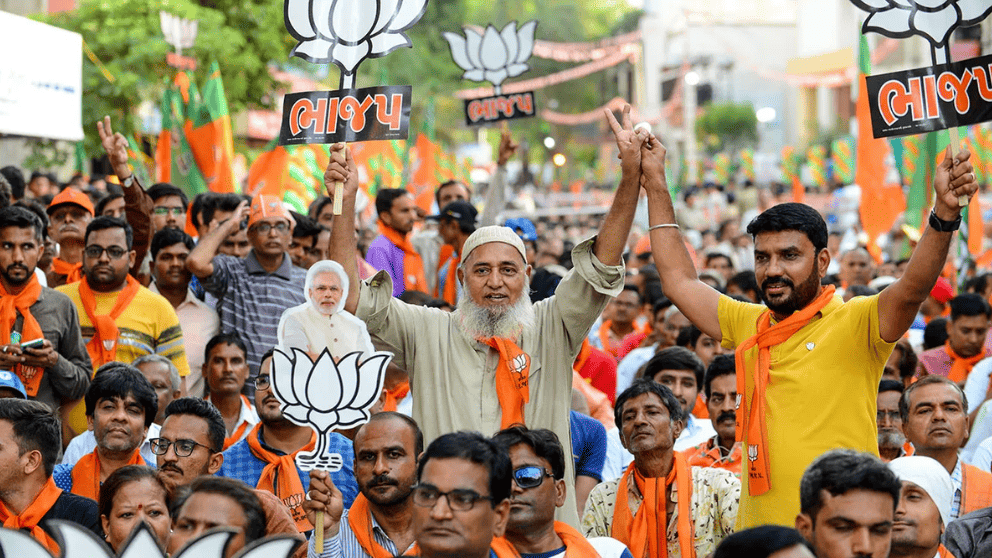
The political map of India has seen a massive shift. With the latest election results coming in, the BJP has matched a historic record. To put it simply, they have reached a level of power and reach that reminds us of the peak Congress days under Indira Gandhi back in the late 1970s.
Let's break down exactly what happened, how they did it, and what it means for the country. We promise to keep it simple, easy to understand, and completely jargon-free!
A Historic Milestone: 21 States and Counting
On May 4, it felt like the political force was truly with the BJP. They scored huge victories, totally decimating the TMC in West Bengal and winning the state of Assam for the third time in a row.
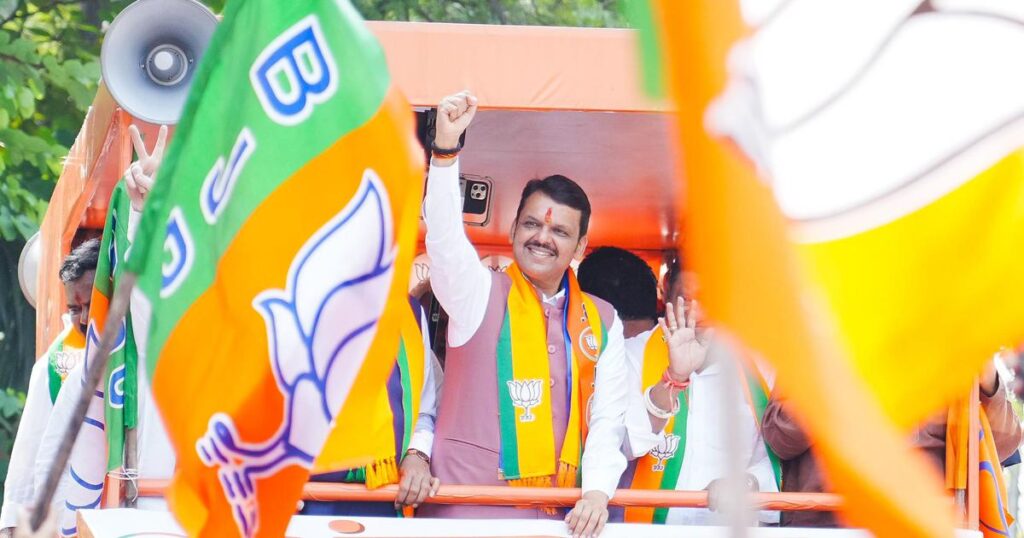
Because of these massive wins, the BJP-led NDA (National Democratic Alliance) is now governing 21 states and Union Territories across India. This is a magic number because it exactly matches the historic high they previously hit in March 2018. It also equals the massive spread the Congress party had under Indira Gandhi in her best days.
What does this mean in real numbers? It means that the BJP now governs a whopping 72% of India's population. While their 2018 record was a bit short-lived, experts are saying that this time around, the dominance is likely to stick around much longer.
The Amazing Journey From 2014 to 2018
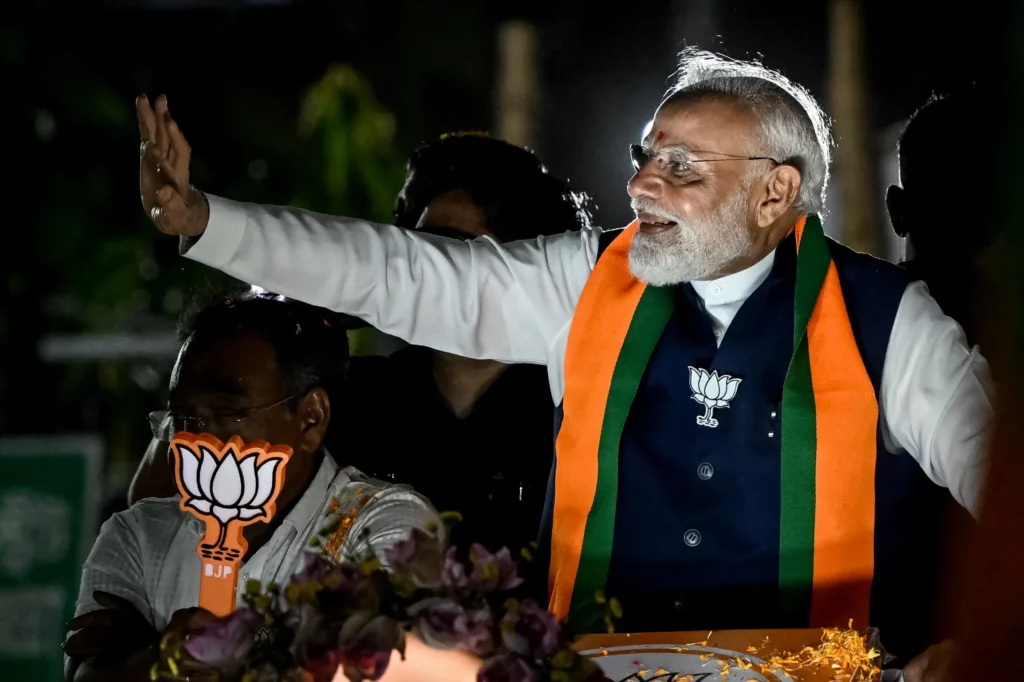
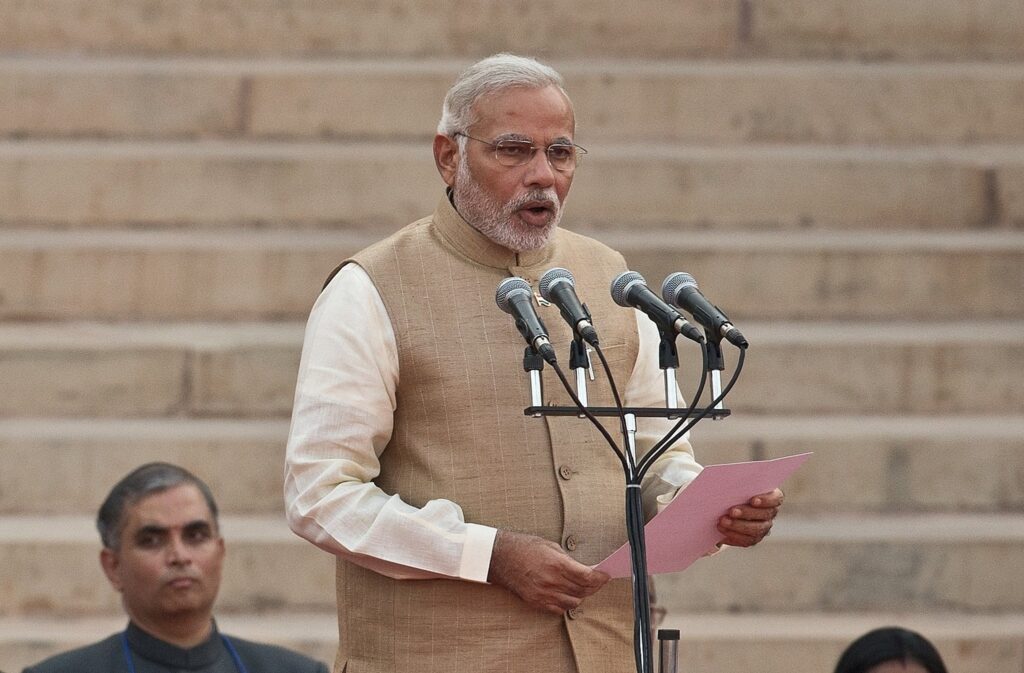
This is not just an ordinary milestone, it is a story of incredible growth. Let's rewind the clock to 2014. When Narendra Modi first became the Prime Minister, the BJP was only ruling in seven states. That is it.
But by early 2018, things changed drastically. Through hard organizational work, really smart alliances in the northeast, and riding strong anti-incumbency waves (when voters want to kick out the current ruling party), the NDA grew to rule 21 states. Back then, this covered over 70% of India's population.
With their latest wins today, the BJP and its partners have built a modern version of the dominance we used to see during the Nehruvian era. They have a geographical spread and federal reach that no other single party has been able to match since the old Congress system started to fade away in the late 1960s.
From Gangotri to Ganga Sagar: A Massive Reach
To really picture how big this is, look at the map of the river Ganges. From Gangotri right down to Ganga Sagar, the entire length of the river is now under BJP or NDA governance. This massive stretch flows through Uttarakhand, Uttar Pradesh, Bihar, and West Bengal. It is a huge, continuous block of political power.
The Fall and The Setbacks: When Things Looked Tough
Now, the BJP's journey was not a straight line up. This kind of dominance can be quite fragile. We saw this happen in December 2018. The NDA faced a sharp reversal when they lost three major states Madhya Pradesh, Rajasthan, and Chhattisgarh to the Congress.
Within just a few months, their count of states fell to 16. Then, by 2020, things got even tougher. They faced setbacks in several smaller states, and the heavy impact of the Covid-19 period pushed the NDA's direct control down to just 13 states at one point.
The party looked like it had hit a wall. Critics started to speak up, saying that the famous Modi wave had peaked and that regional parties were finally getting their ground back.
The 2024 Wake-Up Call
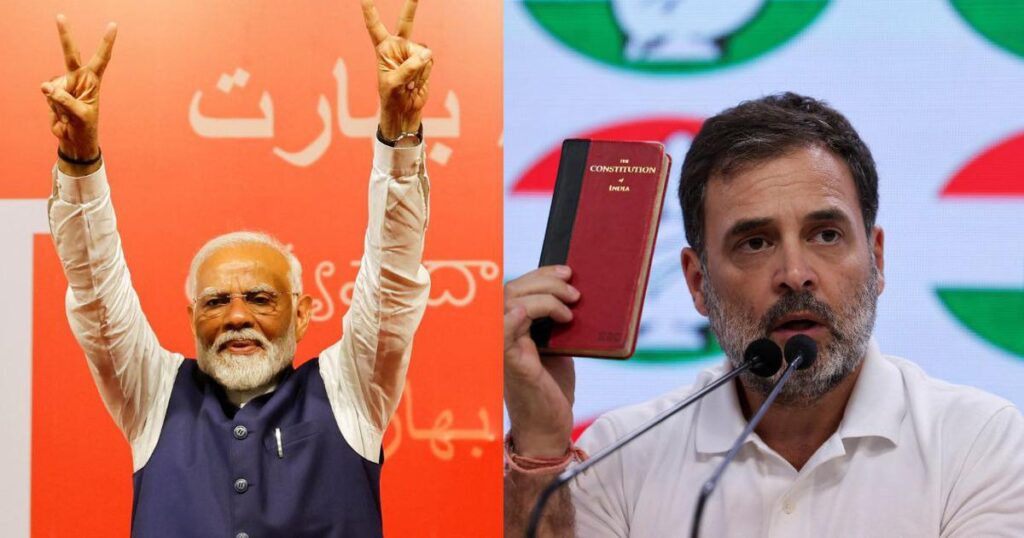
The real test for the party arrived during the 2024 Lok Sabha elections. The results shocked many people. The BJP won only 240 seats which was 63 seats fewer than what they got in 2019. For the first time since 2014, they fell short of a majority on their own.
Even though the NDA still managed to form the government at the Centre with 293 seats, almost everyone saw this result as a big setback. Political observers everywhere started predicting that state-level losses would quickly follow.
There’s more to life than simply increasing its speed.
By Udaipur Freelancer
But instead of falling apart, the BJP did the exact opposite.
The Ultimate Comeback Strategy
So, how did the BJP win state after state following the 2024 Lok Sabha election? It came down to pure hard work behind the scenes. Former party president JP Nadda and Home Minister Amit Shah quietly shifted their political machinery into high gear.
They retrained their booth-level workers from the ground up. Instead of just relying on national charisma and big names, they started focusing heavily on local issues. They hammered in targeted campaigns highlighting things like women's safety in West Bengal and the governance failures in several states ruled by the Congress.
They also made fresh alliances wherever they needed them and focused hard on door-to-door outreach to connect directly with regular people.
Clawing Back to the Top (2024 to 2026)
The hard work paid off. Between 2024 and early 2026, the NDA slowly and steadily clawed back the ground they had lost. They started winning or retaining big, key states like Maharashtra, Haryana, Bihar, and Odisha.
By February 2026, the count had climbed back up to 19 states and two Union Territories. Then came May 4. The twin victories in Assam and West Bengal finally completed the circle.
Assam Chief Minister Himanta Biswa Sarma secured his second term, and the win in West Bengal marked the BJP's deepest-ever push into eastern India. With this, the NDA once again rules 21 states. It is a record high for the party in the post-2014 era and a perfect return to their 2018 peak.
Two Big Lessons We Can Learn
Looking at this incredible comeback, there are two clear lessons for the party and for us watching:
Remarkable Resilience: Unlike many political parties that totally collapse after a dip at the national level, the BJP did not give up. They used the 2024 Lok Sabha result as a harsh wake-up call to fix and strengthen their state units.
Smart Voters: Indian voters are very smart. They continue to separate their national choices from their state choices. Even when voters checked the BJP's power in Parliament, they still rewarded the party at the state level wherever good governance and delivery were visible.
What Happens Next?
Today, the BJP-led NDA has a massive, mountainous amount of support from the public. However, managing this kind of success can be very difficult, as we all learned from the 2018 example.
But the BJP is known to be a highly result-oriented party. With the heavy responsibility of governing 72% of India's population, they will surely try to set strong examples of good governance in each of the 21 states they now hold.
For now, the BJP can proudly claim a very rare feat. They have managed to touch the high-water mark of 21 states twice in less than a single decade. That is a level of federal dominance that even Indira Gandhi's mighty Congress only managed to achieve once at the very height of its power.
What do you guys think about this massive political shift? Do you think the BJP will hold onto this record for longer this time? Drop your thoughts in the comments below!
Udaipur Freelancer delivers high-quality web, marketing, and design solutions. We focus on building impactful digital experiences that help your brand succeed in today's market.
















Recommended for you
Must-See Art Exhibitions Around the World This Year
The Revival of Classical Art in a Digital Age
Breaking Down the Elements of a Masterpiece Painting
The Revival of Classical Art in a Digital Age