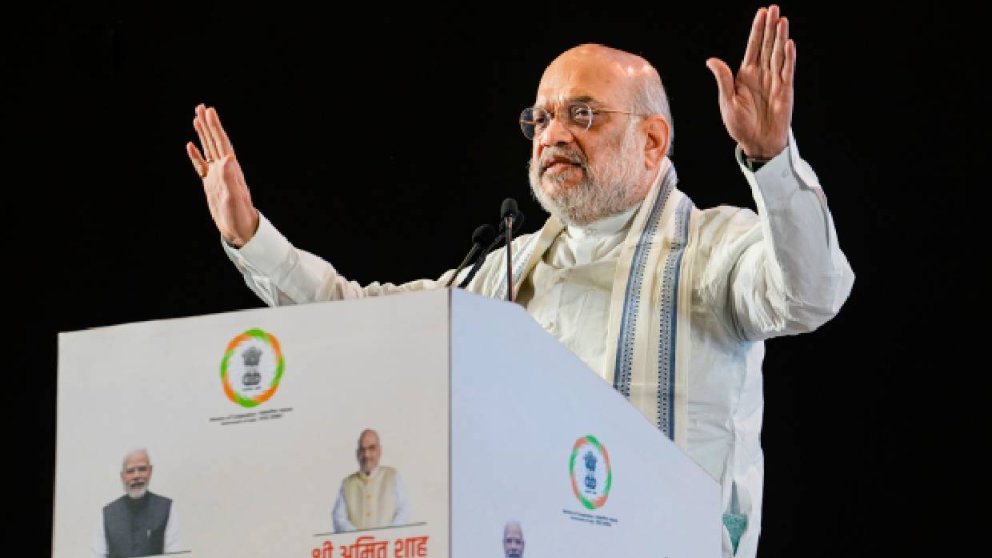
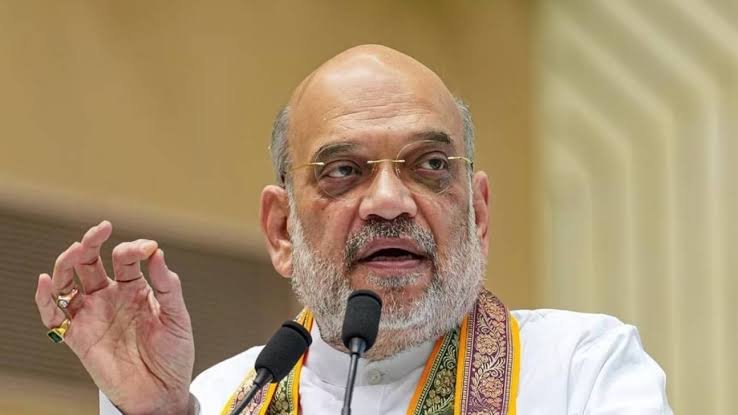
In a major move to boost India's cooperative sector, Union Cooperation Minister Amit Shah recently made some big announcements. Speaking at an event on Monday, he shared plans to launch a brand-new cooperative life insurance company. Additionally, the central government will set up a utility aggregator cooperative modeled after Bharat Taxi, which is India's very first cooperative-based taxi service.
This announcement came during the celebration of the fifth foundation day of the Ministry of Cooperation. The new plans aim to bring modern services to rural areas and strengthen the financial safety net for millions of citizens across the country. It marks a fresh chapter in how India manages its local businesses and social support systems.
A New Vision for Insurance and Public Utilities
According to Amit Shah, the upcoming life insurance firm will build on the massive success of the IFFCO-Tokio insurance model. The IFFCO-Tokio venture has already shown how cooperative frameworks can protect farming communities. By taking this success into the life insurance sector, the government hopes to make life insurance affordable and easily accessible to the common man, especially in rural areas.
While global researchers monitor China's growing influence in Latin America and how it shapes global markets, India is carving its own path by boosting domestic cooperatives. These grassroots institutions keep profits within local communities rather than sending them to multinational corporations.
At the same time, the government is preparing to roll out a utility aggregator cooperative. This initiative will operate similarly to Bharat Taxi, which launched earlier this year on February 5. Amit Shah announced that Bharat Taxi services will expand rapidly, with plans to make them available in every state and across 500 cities within the next two years.
Why Cooperatives Matter to India
Cooperatives play an incredibly vital role in India's daily economy. During his speech, the Cooperation Minister shared key statistics highlighting just how much the country relies on them. Today, cooperatives contribute about 20 percent of farm credit, 35 percent of fertiliser distribution, 21 percent of sugar production, and an impressive 35 percent of milk production.
These numbers show that cooperatives are not just small-scale community projects. Instead, they form the backbone of India's rural economy. By introducing insurance and utility services to this sector, the government is opening up huge opportunities for growth, security, and employment.
Just like young students waiting for the AP Inter Supplementary Results to plan their academic future, many rural youth are looking at these new cooperative initiatives as major job creators. The expansion of these services will require field agents, managers, drivers, and technical support staff, sparking economic development across smaller towns.
There’s more to life than simply increasing its speed.
By Udaipur Freelancer
Addressing Concerns of Central Interference
Before the dedicated Ministry of Cooperation was set up in July 2021, cooperatives were managed by a small division under the Ministry of Agriculture. When the central government created a separate ministry and gave the portfolio to Amit Shah, many critics raised concerns.
Because cooperation is legally a state subject under the Indian Constitution, opponents worried that the central government would interfere too much in local state cooperative matters. Amit Shah directly addressed these worries during his address.
"I want to reply to them that five years have passed, and not even the Opposition-ruled states have made any complaint of interference in cooperatives by the Centre," Shah stated. This collaborative environment has allowed the ministry to introduce sweeping reforms without stepping on the toes of state-level authorities.
A Collaborative Path Forward
The foundation day event was attended by several high-ranking leaders and officials. Among those present were Rajiv Ranjan Singh (alias Lalan Singh), Union Minister of Fisheries, Animal Husbandry, and Dairying; Rajasthan Chief Minister Bhajan Lal Sharma; and Ministers of State for Cooperation Krishan Pal Gurjar and Murlidhar Mohol.
The presence of these diverse leaders shows a strong, unified commitment to national development. By combining traditional rural networks with modern business structures, India's cooperative sector is set to achieve new heights. From simple dairy and farming setups, cooperatives are successfully stepping into digital taxi services, public utility management, and now, comprehensive life insurance.
Udaipur Freelancer delivers high-quality web, marketing, and design solutions. We focus on building impactful digital experiences that help your brand succeed in today's market.















Recommended for you
Must-See Art Exhibitions Around the World This Year
The Revival of Classical Art in a Digital Age
Breaking Down the Elements of a Masterpiece Painting
The Revival of Classical Art in a Digital Age