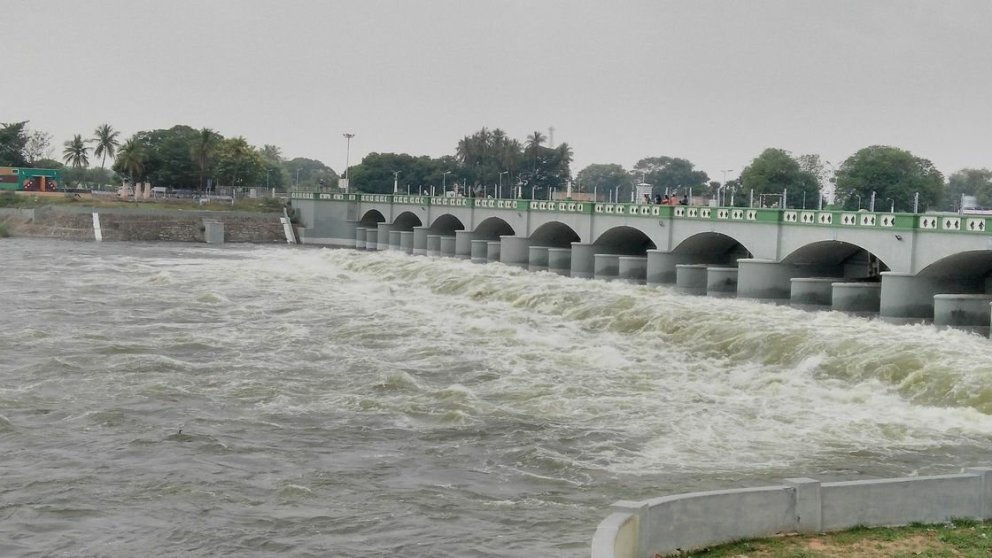
The Cauvery water sharing dispute is back in the spotlight. Recently, the Cauvery Water Management Authority (CWMA) supported a key order given by the Cauvery Water Regulation Committee (CWRC). Under this direction, Karnataka has been instructed to release 12,000 cusecs of water every day to Tamil Nadu for a period of 15 days.
This major decision comes at a critical time for farmers in both southern states. Water is urgently needed to keep crops alive during this season. However, low rainfall in the river basin areas has made water management very tough for everyone involved.
Understanding the CWMA Order
What does 12,000 cusecs mean in practical terms? A cusec stands for cubic feet per second, which measures how fast water flows out of a dam. Releasing 12,000 cusecs daily means a steady and significant volume of water will flow from reservoirs in Karnataka down to Tamil Nadu.
The CWRC carefully looked at current reservoir levels, rainfall shortfall, and crop needs before making this recommendation. After reviewing all data and holding discussions with representatives from both states, the CWMA agreed with the committee's proposal and officially endorsed it.
Why Cauvery Water Sharing is So Complex
The Cauvery River originates in Karnataka and flows through Tamil Nadu before entering the Bay of Bengal. Both states rely on this river for agriculture, drinking water, and local industries. When monsoons bring good rain, water sharing happens without major issues. However, during dry years, water shortages lead to strong arguments between the two sides.
Karnataka argues that its own dams have low water levels, making it difficult to meet the drinking water demands of cities like Bengaluru and local irrigation needs. On the other side, Tamil Nadu states that its farmers depend heavily on Cauvery water to save standing crops in the fertile delta region.
Impact on Farmers in Both States
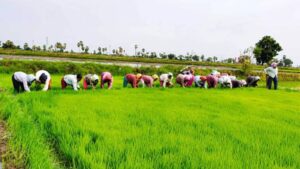
Farmers are at the center of this river dispute. In Tamil Nadu, thousands of farm families rely on timely river releases to keep their crops from drying up. Without this water, farmers face heavy financial losses after investing money in seeds and fertilizer.
At the same time, farmers in Karnataka worry that sending water downstream right now could lead to severe water shortages later in the summer season. Because both sides have genuine concerns, expert authorities face a tough job trying to strike a fair balance.
There’s more to life than simply increasing its speed.
By Udaipur Freelancer
Protests and Law Enforcement Measures
Whenever water release directives are issued, peaceful protests and demonstrations often take place in parts of Karnataka, especially near Mandya and Mysuru. Farmer groups and local leaders often organize rallies to express their concern over dwindling reservoir levels.
During large gatherings, police forces must maintain order while respecting public sentiments. Just as citizens frequently ask are pellet guns legal for crowd control in India, authorities in sensitive border districts use careful crowd control methods to avoid conflicts and protect critical infrastructure.
Government Action and Regional Policies
Managing state resources during a dry spell requires clear planning and official policy decisions. State governments must support affected farmers with relief packages and careful water scheduling. Just as state workers follow official news like the west bengal state employee da update for government news, people in southern states keep a close watch on official announcements regarding river management and water distribution.
Independent technical bodies like CWMA and CWRC were created specifically to handle water data scientifically. By relying on rainfall records, dam storage data, and seasonal crop cycles, these authorities aim to make neutral choices rather than political ones.
What Happens Next?
The next 15 days will be crucial for both Tamil Nadu and Karnataka. The released water will bring relief to standing crops in Tamil Nadu's delta belt. Meanwhile, Karnataka officials will continue to monitor dam storage and weather forecasts carefully.











Recommended for you
Must-See Art Exhibitions Around the World This Year
The Revival of Classical Art in a Digital Age
Breaking Down the Elements of a Masterpiece Painting
The Revival of Classical Art in a Digital Age