In recent news, a tense political situation has unfolded. A local leader from the Communist Party of India (Marxist), or CPI(M), has found himself at the center of a major legal and political storm. Just one day after his house was violently attacked by an angry mob, the police registered two First Information Reports (FIRs) against the leader himself. Along with these legal cases, the police have arrested one person in connection with the violence. This incident has raised many questions about political peace and law enforcement in the region.
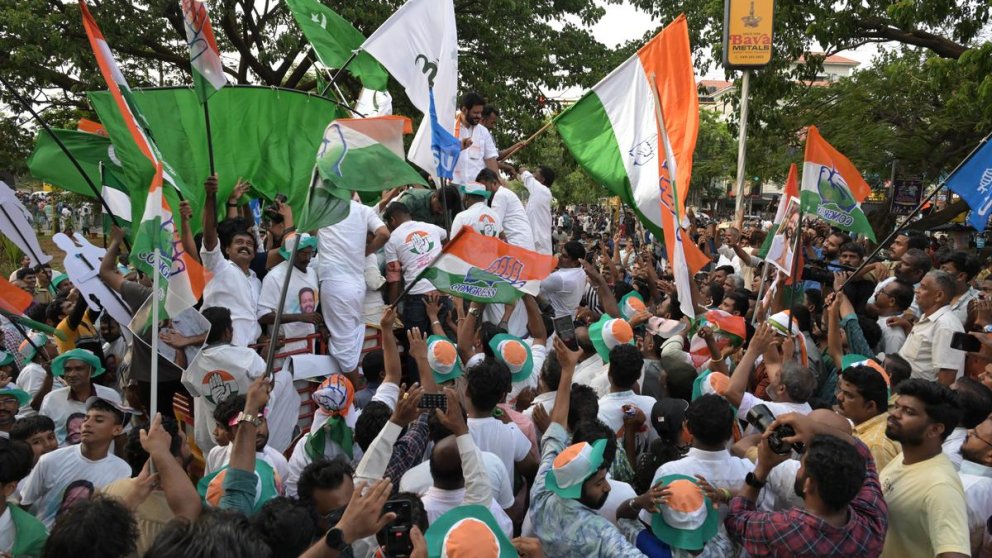
The events began with a sudden attack on the CPI(M) leader's home. Eyewitnesses reported that a group of people gathered outside the house, shouting slogans and throwing stones. The attack caused damage to the property and created fear among the family members and neighbors. The local community was shocked by the speed and anger of the crowd. While political arguments are common, physical violence against a leader’s home is a serious matter that often leads to bigger clashes.
The Details of the Two FIRs
In a surprising turn of events, the police did not just focus on the people who attacked the house. Instead, they also filed two FIRs against the CPI(M) leader. According to local police sources, these cases were registered based on complaints from the opposing group and local residents. The complaints claim that the leader and his supporters were involved in provoking the crowd and using strong words before the attack took place. In many political conflicts, both sides accuse each other of starting the trouble.
These dual complaints show how complicated local politics can be. When violence breaks out, police officers often have to look at the actions of everyone involved. This situation is very similar to other political disputes in India. For example, you can read about the Andhra Pradesh election controversy explained to see how quickly political arguments can turn into legal battles and community disputes.
One Person Held by the Police
While the CPI(M) leader faces legal challenges, the police have also taken direct action against those who attacked his house. So far, one person has been arrested and held in custody. The police are questioning this individual to find out who else was involved in organizing the attack. Officers have stated that they are using security footage and mobile phone videos to identify more people who threw stones and damaged the house.
The arrest of this individual is a key step in keeping the peace. However, local supporters of the CPI(M) leader feel that the police are acting unfairly by targeting their leader. They argue that a person whose house was attacked should be treated as the victim, not the accused. On the other side, opposition members argue that the leader has a history of making angry speeches that upset the peace in the neighborhood.
There’s more to life than simply increasing its speed.
By Udaipur Freelancer
The Broader Picture of Political Leadership
This incident highlights the heavy burden that political leaders carry. Whether in small towns or big nations, leaders often find themselves in the middle of intense public feelings. This is true not just in India, but across South Asia. For instance, you can see how leaders face high expectations and public pressure by reading about the journey of Balen Shah Nepal PM candidate, who has faced his own share of political challenges and public debates.
When political leaders are accused of crimes, it can weaken the trust of the public. Supporters feel angry and betrayed, while opponents feel justified. The police have a very difficult job in these situations. They must stay neutral, gather hard evidence, and make sure they do not look like they are taking sides. If the public thinks the police are being unfair, it can lead to even more protests and unstable conditions.
What Lies Ahead?
In the coming days, the police will continue their investigation. They will look into the details of the two FIRs against the CPI(M) leader. At the same time, they will search for more suspects who participated in the attack on the house. The courts will eventually decide whether there is enough evidence to put the leader or the attackers on trial.
For now, the local area remains under close watch. Extra police officers have been deployed to prevent any new clashes between rival political groups. Peace meetings might be organized to help calm the situation down. It is important for all parties to remember that violence does not solve political differences. True democracy relies on peaceful debates, respect for the law, and fair treatment for everyone involved, regardless of their political beliefs.
Udaipur Freelancer delivers high-quality web, marketing, and design solutions. We focus on building impactful digital experiences that help your brand succeed in today's market.














Recommended for you
Must-See Art Exhibitions Around the World This Year
The Revival of Classical Art in a Digital Age
Breaking Down the Elements of a Masterpiece Painting
The Revival of Classical Art in a Digital Age