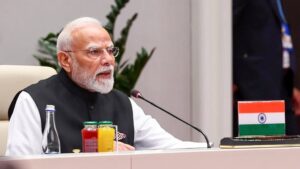
Leaders from the BRICS nations have recently made a major announcement. They want to work much closer together on global health issues. Specifically, they are calling for stronger cooperation in disease surveillance and the regulation of medical products. This decision comes at a time when the world is still learning from recent global health crises. The leaders believe that by sharing information and setting joint standards, they can keep their citizens much safer.
What is BRICS and Why Does It Matter?
BRICS is a group of some of the world's fastest-growing economies. It originally included Brazil, Russia, India, China, and South Africa. Recently, the group has expanded to include more nations. Together, these countries represent a massive portion of the world's population. When BRICS leaders agree on something, it has a huge impact on global trade, politics, and healthcare. By focusing on health cooperation, they are showing that national safety is not just about armies or money. It is also about protecting people from sickness.
In the past, these countries operated their healthcare systems very differently. Now, they see that diseases do not respect national borders. A virus starting in one part of the world can quickly travel to another. That is why they want to create a unified front against health threats.
The Importance of Disease Surveillance
Disease surveillance sounds like a complicated term, but it is actually quite simple. It means keeping a close watch on public health trends. It involves tracking how diseases spread, finding where new outbreaks start, and warning hospitals before a crisis happens. Think of it like a weather forecast, but for germs instead of rain.
When countries do not share their health data, it is very hard to stop pandemics. By working together, BRICS nations can share laboratory findings and medical data in real time. If a strange new flu appears in one country, other countries will know about it immediately. This quick action can save millions of lives. It allows doctors to prepare and scientists to start working on cures much faster.
Better Regulation for Medical Products
Another major goal for the BRICS leaders is to improve how medical products are regulated. This includes drugs, vaccines, and medical devices. Every country has its own rules for testing and approving medicine. Sometimes, these rules can slow down the delivery of life-saving drugs. Other times, poor regulations can allow dangerous or fake medicines to enter the market.
By creating similar standards, BRICS nations can make sure that medicines are safe, cheap, and easy to get. They want to make sure that a vaccine approved in one country can be trusted in another. This is especially important for managing long-term health issues. For example, public health systems must handle many connected illnesses, such as how diabetes and hearing loss affect aging populations. Having high-quality medical products available makes managing these complex health issues much easier for doctors worldwide.
There’s more to life than simply increasing its speed.
By Udaipur Freelancer
How Governments Maintain Public Trust
To make these health plans work, governments must build trust with their citizens. People need to know that the laws protecting them are strong and fair. Whether dealing with education, safety, or medicine, trust is the foundation of public life. For example, we see governments taking strict actions in other areas, such as when the parliament passes paper leak bill to protect the integrity of student exams. In the same way, strict medical regulations protect the integrity of our healthcare systems. When people trust that their medicines are safe and their exams are fair, society functions much better.
BRICS leaders want to show their citizens that they are taking health safety seriously. By setting clear, transparent rules for drug approvals, they hope to eliminate fear and skepticism about new vaccines and treatments.
The Road Ahead for Global Health
Working together sounds easy, but it will take a lot of effort. BRICS countries have different political systems, languages, and economic levels. They will need to invest money into building better labs and training health workers. They will also need to create secure digital platforms to share sensitive medical data without violating patient privacy.
Despite these challenges, the leaders are optimistic. They believe that health is a common ground where everyone can agree. By protecting each other from diseases, they are also protecting their economies and their future. This new level of cooperation could set a great example for the rest of the world to follow.
Udaipur Freelancer delivers high-quality web, marketing, and design solutions. We focus on building impactful digital experiences that help your brand succeed in today's market.













Recommended for you
Must-See Art Exhibitions Around the World This Year
The Revival of Classical Art in a Digital Age
Breaking Down the Elements of a Masterpiece Painting
The Revival of Classical Art in a Digital Age