The election results for the Bihar Legislative Council (MLC) are out, and they have brought some very interesting news. Candidates from upper caste backgrounds have performed exceptionally well and won a large majority of seats. This outcome has started a big discussion among political experts, political parties, and common voters across the state. Bihar has always been known for its complex caste politics. For decades, political leaders have depended heavily on social equations to win elections. The recent success of upper caste candidates shows that these dynamics can still surprise many people.
In this election, various major political parties fielded candidates from different social backgrounds. However, when the final votes were counted, a very clear pattern emerged. A significant portion of the winning candidates belonged to upper castes like Rajputs, Bhumihars, and Brahmins. This strong performance shows that upper caste leaders and local influencers still play a very crucial role in council elections. In many constituencies, voters chose experienced local figures regardless of the general trends seen in larger state elections.
Why Upper Caste Candidates Performed So Well
There are several key reasons behind this big victory. First, MLC elections are quite different from regular general assembly elections. In local authority MLC elections, the voters are elected representatives like mukhiyas, ward members, and councilors. These local voters often look at personal networks, strong leadership, and local power structures. Upper caste candidates in Bihar often hold strong economic positions and long-standing political connections in rural areas. This helped them gain support across different local bodies.
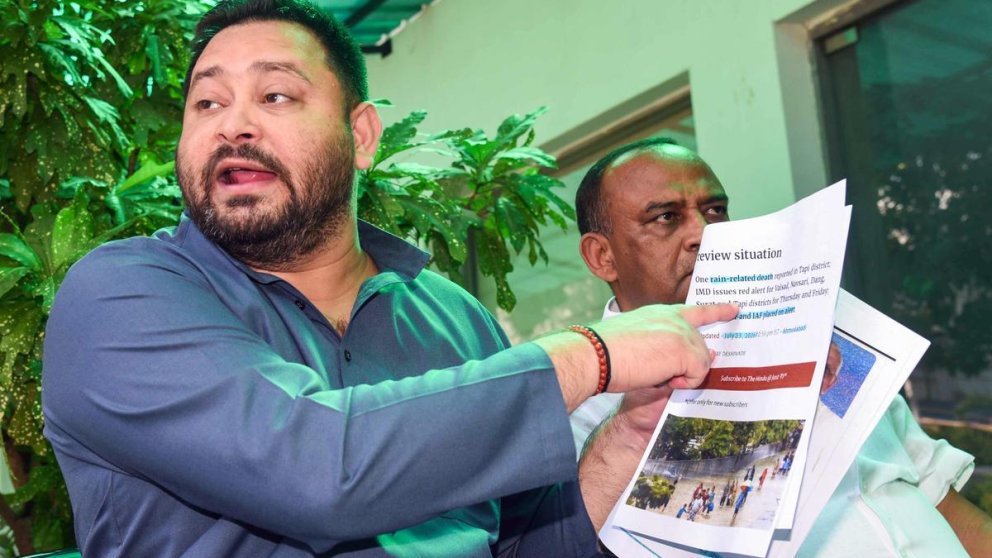
Second, party ticket distribution played a major role in the outcome. Major political alliances in Bihar gave tickets to influential upper caste leaders. Parties knew that winning these specific seats required candidates who could manage local networks and maintain close contact with voters. As political parties manage their internal strategies and candidate selections, just like leaders issuing a warning about internal political issues during party conflicts, choosing candidates with local strength becomes a top priority.
The Political Shift and Party Strategies
The outcome of these council elections has surprised several political analysts. Bihar politics in recent decades has been largely defined by Backward Class (OBC) and Dalit political movements. Parties like the Rashtriya Janata Dal (RJD) and Janata Dal (United) built their political bases on these voter groups. However, the MLC election results prove that upper castes remain a powerful group that cannot be ignored by any political party.
Even opposition parties that focused on social justice slogans found it necessary to field upper caste candidates in several constituencies to win seats. This shows a practical shift in political strategy. When political parties want to win council seats, they often look beyond traditional slogans and focus on local candidate strength and solid voter relationships.
Moreover, public interest in state governance and democratic processes remains very high across the nation. Just as official legal updates offer clarity in state matters, such as the Calcutta High Court report in recent legal reviews, transparent election results help citizens understand how local political power operates in real life.
There’s more to life than simply increasing its speed.
By Udaipur Freelancer
Impact on Future Bihar Elections
What do these election results mean for the future of Bihar politics? First, all political parties will likely re-examine their candidate selection strategies for upcoming state assembly and national elections. The idea that upper caste candidates have limited influence in modern Bihar politics is clearly incomplete, especially in local council elections where personal relationships matter deeply.
Second, political parties will try to build broader social alliances. Instead of relying solely on one or two voter groups, parties will aim to combine support from upper castes, backward classes, and minority communities. This balanced approach helps ensure a stronger vote base across different regions of Bihar.
Finally, local voters and representatives have sent a clear message to all political leaders. They prefer candidates who can provide support, maintain regular communication, and represent local needs effectively. As Bihar moves closer to future major elections, these MLC election results will serve as an important lesson for political strategists across all major parties.
In conclusion, the domination of upper caste candidates in the Bihar MLC election results highlights the complex nature of state politics. It proves that caste equations, local connections, and personal influence all work together in shaping democratic outcomes. Political parties will definitely analyze these numbers carefully as they prepare their future political strategies in Bihar.
Udaipur Freelancer delivers high-quality web, marketing, and design solutions. We focus on building impactful digital experiences that help your brand succeed in today's market.













Recommended for you
Must-See Art Exhibitions Around the World This Year
The Revival of Classical Art in a Digital Age
Breaking Down the Elements of a Masterpiece Painting
The Revival of Classical Art in a Digital Age