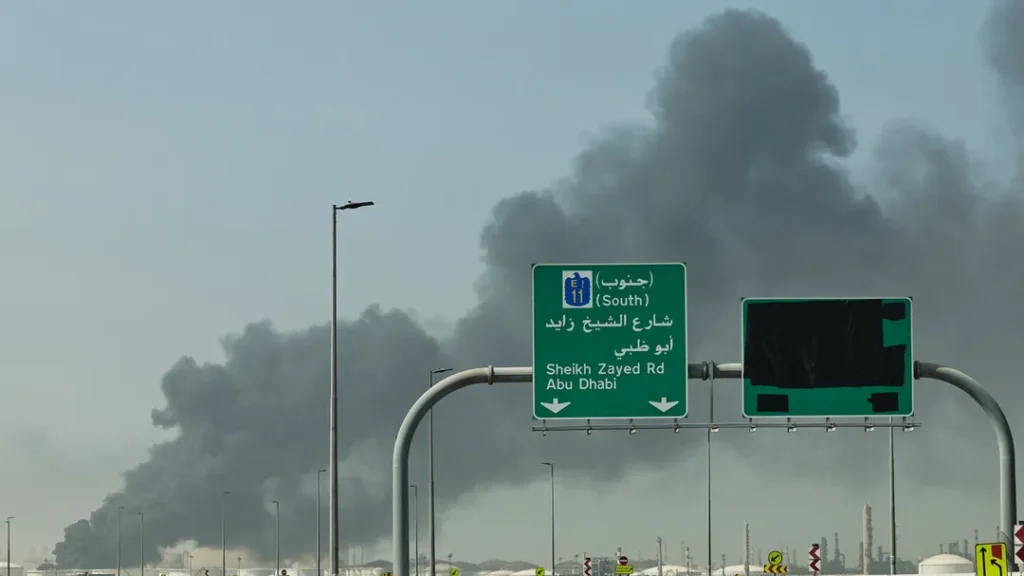
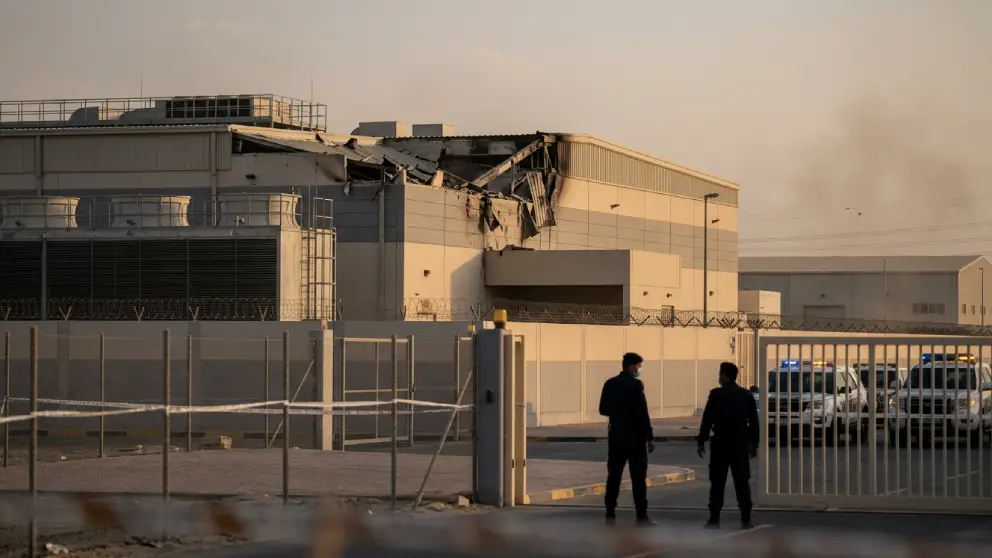
The modern battlefield is no longer confined to physical borders, land, or sea. In a stark reminder of how deeply intertwined global geopolitics and digital infrastructure have become, Amazon cloud services (AWS) in Bahrain have recently faced significant disruptions following reported drone activity in the region.
This incident occurs against the highly volatile backdrop of the ongoing US-Israel-Iran conflict, which has now entered its tense fourth week. As businesses increasingly rely on centralized cloud computing, physical military actions in crucial regions like the Middle East are proving to have immediate digital consequences across the globe.
Here is a breakdown of the unfolding situation, the geopolitical factors driving it, and what it means for the security of global digital and commercial infrastructure.
The Incident: When Physical Conflict Meets Digital Infrastructure
Bahrain is home to the AWS Middle East (Bahrain) Region, a critical data hub that serves thousands of businesses, government entities, and startups across the Arabian Gulf and beyond. The recent reports of drone activity in Bahraini airspace spilling over from the broader regional conflict have directly impacted these cloud services.
While the exact nature of the disruption whether a direct physical threat to the data centers, power grid fluctuations, or preventative severing of certain networks is still being assessed, the result is the same: increased latency, service interruptions, and heightened anxiety for businesses relying on this digital stronghold.
This event highlights a growing vulnerability in global tech. Data centers require massive amounts of power, cooling, and secure physical locations. When a region hosting these massive servers becomes a conflict zone, the cloud suddenly feels very grounded and highly vulnerable.
Mixed Signals: De-escalation Talk Meets Denials
The disruption in Bahrain is a direct symptom of the escalating US-Israel-Iran war. According to live updates, the conflict is currently in its fourth week and is exhibiting confusing, contradictory signs of both de-escalation and continued military posturing.
Recent political developments have added a layer of complexity to the crisis:
- A Proposed Pause: Reports indicate that US President Donald Trump announced a five-day pause on planned military strikes specifically targeting Iran’s vital power and energy infrastructure.
- Claims of Diplomacy: This pause was reportedly initiated citing very good and productive talks with Iranian officials aimed at finding a comprehensive resolution to the ongoing hostilities.
- Immediate Rejection: However, bridging the gap between diplomatic claims and reality, Tehran immediately rejected these statements, officially denying that any such productive talks are taking place.
This diplomatic whiplash leaves the region in a state of high alert. With Iran denying peace talks and military assets still deployed, the threat of further drone or missile activity near vital infrastructure in allied nations like Bahrain remains incredibly high.
There’s more to life than simply increasing its speed.
By Udaipur Freelancer
The Broader Threat: The Strait of Hormuz and Global Trade
The disruption of Amazon's cloud services is just one facet of the widespread instability threatening the region's economy. While data struggles to flow through the cloud, physical goods are struggling to flow through the water.
Concerns are mounting exponentially over the security of the Strait of Hormuz one of the world's most critical chokepoints for global oil and commercial shipping. As diplomatic efforts seemingly stall, multiple international voices and countries are urgently calling for guaranteed safe passage for commercial vessels.
The combination of threatened shipping lanes and disrupted cloud services creates a dual-front economic crisis. A disruption in the Strait of Hormuz spikes global energy prices, while a disruption in AWS Bahrain paralyzes the digital operations of the supply chain logistics companies trying to navigate those very waters.
What This Means for Businesses Using Cloud Infrastructure
The events in Bahrain should serve as a wake-up call for global IT leaders and business executives. The "cloud" is not an invisible, untouchable entity, it relies on massive buildings filled with hardware in specific geographic locations.
When establishing digital architecture, companies must now factor in geopolitical risk assessments.
- Multi-Region Redundancy: Businesses operating in or relying on data from the Middle East must ensure they have robust disaster recovery plans that failover to different geographical regions (such as AWS regions in Europe or Asia) to prevent total operational blackout during regional conflicts.
- Data Sovereignty vs. Security: While local data residency laws often require data to be kept within a specific country (like Bahrain), the physical security of that data during wartime presents a conflicting challenge that IT departments must navigate.
Conclusion
The disruption of Amazon cloud services in Bahrain following drone activity is a milestone event in modern warfare and digital commerce. As the US-Israel-Iran conflict continues through its fourth week with mixed signals of diplomacy and denial, the security of both the physical Strait of Hormuz and the digital cloud remain in jeopardy. As geopolitical lines are redrawn, the tech industry must quickly adapt to ensure that the global digital economy can withstand the shockwaves of physical conflicts.

















Recommended for you
Must-See Art Exhibitions Around the World This Year
The Revival of Classical Art in a Digital Age
Breaking Down the Elements of a Masterpiece Painting
The Revival of Classical Art in a Digital Age