Hey everyone, welcome back to the blog. Today, we’re diving into a story that has been sparking a lot of heated debates across Australia and the rest of the world. It’s a story about national security, human rights, and the difficult choices a government has to make when its own citizens are caught up in a global conflict.
Specifically, we’re looking at the recent news that the Australian government has moved to stop a citizen from returning home from an Islamic State (IS) camp in Syria. This isn't just about one person, though. It involves a group of women and children who have been living in limbo for years.
Let’s break down what’s happening, why the government is taking this stance, and what it means for everyone involved.
The Breaking News: A Citizen Barred
The big headline this week is that Australia has officially barred a citizen who is linked to the Islamic State (IS) group. This ban isn't permanent, but it is significant it prevents the person from returning to Australia for up to two years.
This decision didn't come out of nowhere. It was based on specific advice from Australia’s security agencies. Home Affairs Minister Tony Burke made the announcement, explaining that the government is acting on the best information they have to keep the country safe.
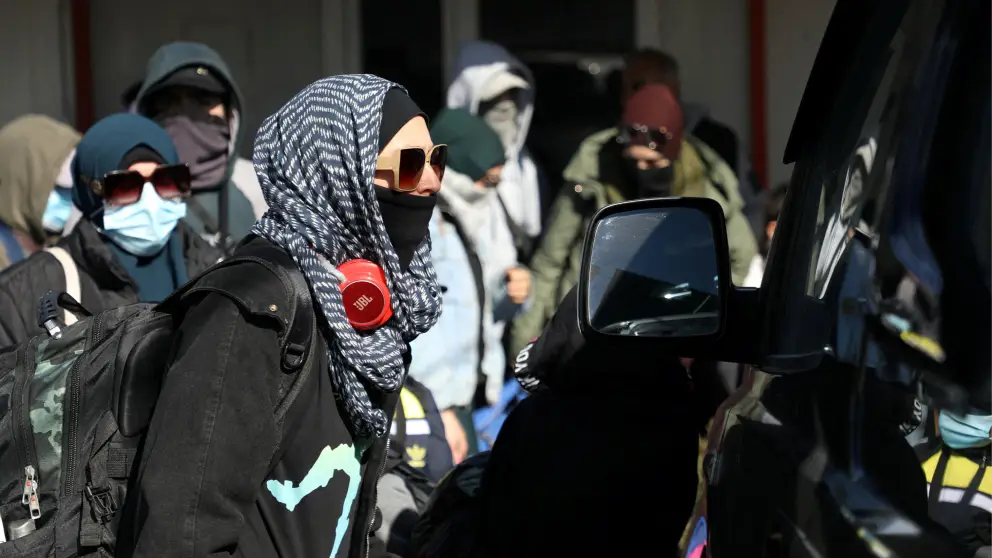
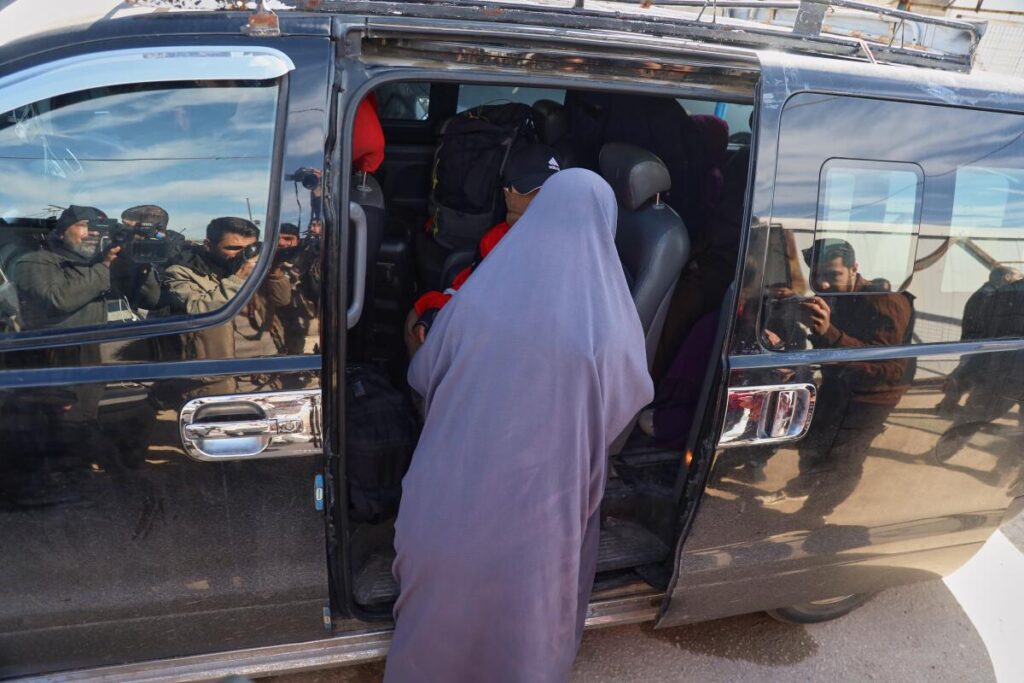
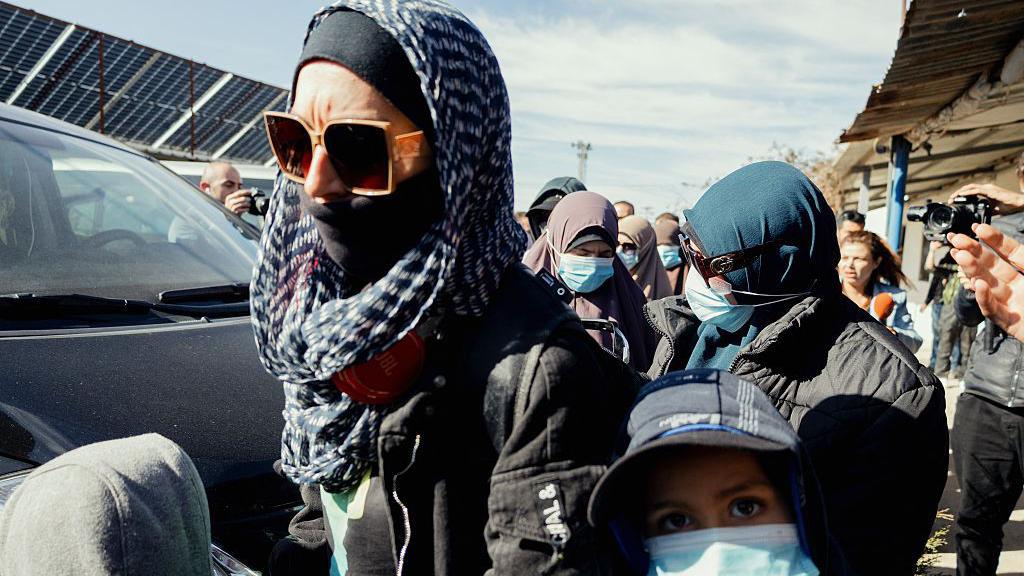
This person was part of a larger group of 31 Australian women and children. They recently tried to leave a camp in Syria and head home, but they were turned back at the border by Syrian authorities. The reason given for turning them back was technical reasons, but it highlights just how complicated the situation is on the ground.
Who Are the People in the Camps?
When we talk about citizens linked to IS, it’s easy to get a specific image in our minds. But the reality is quite complex. This group of 31 people is mostly made up of the wives, widows, and children of IS fighters.
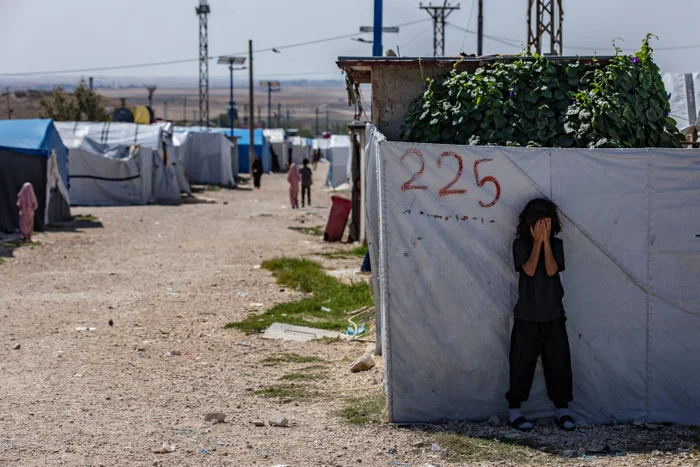
Here is the part that many people find the most heartbreaking. out of those 31 people, 20 of them are children. These kids didn't choose to go to Syria. They didn't choose to be born into a conflict zone. They are growing up in fenced-in camps, surrounded by barbed wire and desert, far away from the life of a normal Australian child.
The government has confirmed that Canberra is currently refusing to bring this group back home (a process called repatriation). While one person has been officially barred from entering for two years, the Minister noted that the other six adults in the group didn't meet the legal thresholds to be banned in the same way. However, that doesn't mean they are being invited back with open arms.
You Make Your Bed, You Lie in It: The Prime Minister’s Stance
Prime Minister Anthony Albanese has been very clear about where his government stands on this issue. During a recent press conference, he used a very old, well-known saying to describe the situation, "You make your bed, you lie in it."
His message was simple, the people who left Australia to join or align themselves with a "brutal, reactionary ideology" knew what they were doing. He argued that these individuals chose to leave a democratic country to support a group that wants to destroy our way of life.
Because of this choice, the Prime Minister stressed that these families will not be receiving any government support to return to Australia. The government isn't going to send planes to pick them up or use taxpayer money to facilitate their journey home.
The Legal Tug-of-War
Even though the Prime Minister’s stance sounds very firm, there is a big legal debate happening behind the scenes.
Legal experts have pointed out that under international law and certain Australian principles, the government actually has an obligation to allow its citizens the right to return home. You can’t easily cancel someone’s citizenship just because they made a terrible or even criminal choice, especially if they don't have citizenship anywhere else.
When asked about this, Prime Minister Albanese said his government would not breach Australian law. This suggests a very delicate balancing act. the government doesn't want to help them come back, but if they somehow make it to an Australian airport with a valid passport, the law might require the government to let them in (and then potentially arrest and charge them).
Life Inside the Al-Roj Camp
The group we’re talking about is currently held in the al-Roj camp in northern Syria. This isn't a vacation spot. it’s a high-security detention center for the families of foreign fighters.
Since 2019, when IS lost its last bit of territory in Syria, thousands of people have been stuck in these camps. Al-Roj is home to more than 2,000 people from over 40 different countries.
There’s more to life than simply increasing its speed.
By Udaipur Freelancer
The conditions inside are reported to be very difficult:
- Malnutrition: Many children are not getting enough food or the right vitamins to grow healthy.
- Lack of Resources: Basic things like clean water, medicine, and proper clothing are hard to come by.
- The Climate: It’s a desert. It’s freezing in the winter and boiling hot in the summer.
But there’s another danger that the camp directors are worried about: Ideology.
Hakmeyeh Bashar, the director of the camp, recently spoke to the ABC. She made a desperate appeal to countries like Australia, saying, "Take your citizens, take these children and women." She warned that the longer these children stay in the camp, the more they are exposed to dangerous ideas and ideologies. Basically, she’s saying that by leaving them there, we might be making the security problem worse in the long run.
The Political Debate: Are We Doing Enough?
Back in Australia, the news has split politicians. While the government is taking a tough love approach, others think it’s not tough enough.
Liberal Party Senator James Paterson raised concerns about the group. He questioned how the government could decide that only one person in the group was a security risk while the others were potentially allowed to return. He argued that if these people were part of the same group, they should all be treated with the same level of caution. He even offered to help the government change the laws to make it easier to bar the entire group.
On the other side of the fence, human rights advocates argue that leaving children in a war zone is a violation of their basic rights. They believe the best way to handle the situation is to bring everyone back, put the adults on trial for any crimes they committed, and put the children into rehabilitation programs.
A Global Problem: How Other Countries Are Reacting
Australia isn't the only country dealing with this headache. Many European nations are in the exact same boat.
- The UK: You might remember the case of Shamima Begum. She left London as a teenager to join IS. The UK government eventually stripped her of her citizenship entirely, a move that has been tied up in court for years.
- France and the Netherlands: Both countries have also been very hesitant to bring their citizens back, often only taking a few children on a case-by-case basis while leaving the parents behind.
It seems like many Western governments are afraid that bringing these people back will be unpopular with voters and could create a security time bomb.
What Happens Next?
Right now, the situation is a stalemate. The 31 Australians are stuck in Syria. The Syrian authorities have turned them back from the border. The Australian government has barred the highest risk individual and refused to help the rest.
For the 20 children involved, the future looks very uncertain. They are growing up in a place where they have no school, no proper healthcare, and no country that truly wants them.
This story forces us to ask some really hard questions:
- Does a person lose their right to be Australian if they join a group that hates Australia?
- How do we protect our national security without punishing innocent children?
- Is it safer to keep these people in Syria, or bring them home where we can monitor them?
Final Thoughts
There are no easy answers here. On one hand, the government’s first job is to keep its people safe. On the other hand, we pride ourselves on being a country that follows the law and protects the vulnerable.
The phrase "You make your bed, you lie in it" is powerful, but when there are children in that bed who didn't choose to be there, the situation becomes a lot more complicated than a simple proverb.
What do you think? Should the government bring the children back? Or is the risk to our security too high? Let us know your thoughts in the comments below.












Recommended for you
Must-See Art Exhibitions Around the World This Year
The Revival of Classical Art in a Digital Age
Breaking Down the Elements of a Masterpiece Painting
The Revival of Classical Art in a Digital Age