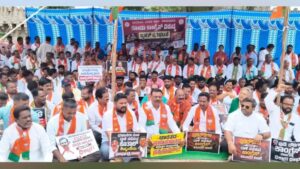
Pattali Makkal Katchi leader Anbumani Ramadoss has made a strong demand to change the Indian Constitution. He wants the central government to ensure reservation benefits for Scheduled Caste people who convert to other religions like Christianity or Islam. This demand has started a fresh debate on rights, social justice, and political reform in India.
Understanding the Current Quota Rules
Under the existing laws in India, Scheduled Caste status is given mainly to people belonging to Hindu, Sikh, and Buddhist religions. If a person from a Scheduled Caste background converts to Christianity or Islam, they lose their SC status. As a result, they cannot claim reservation benefits in jobs, education, and government schemes intended for Scheduled Castes.
Many social leaders argue that changing one's religion does not automatically end social and economic backwardness. Caste inequality often continues even after a person adopts a new faith. Because of this, leaders like Anbumani Ramadoss believe that reservation benefits should stay with individuals regardless of their personal religious choices.
What Anbumani Ramadoss Proposed
Anbumani Ramadoss stated that the Constitution should be amended to protect the rights of Dalit converts. He emphasized that social discrimination remains a reality for many people even after conversion. Depriving them of reservation rights creates unfair hardships for families trying to improve their living standards through education and employment.
He urged both the central government and state governments to address this long-pending demand. He pointed out that providing equal opportunities is essential for building an inclusive society where everyone gets fair treatment under the law.
Broader Political Context in India
This call for constitutional change comes at a time when political discussions around social justice and rights are gaining momentum across the country. Just as discussions around social issues occur in various states, such as cultural debates in Kerala, rights and equality remain major topics of interest for citizens everywhere.
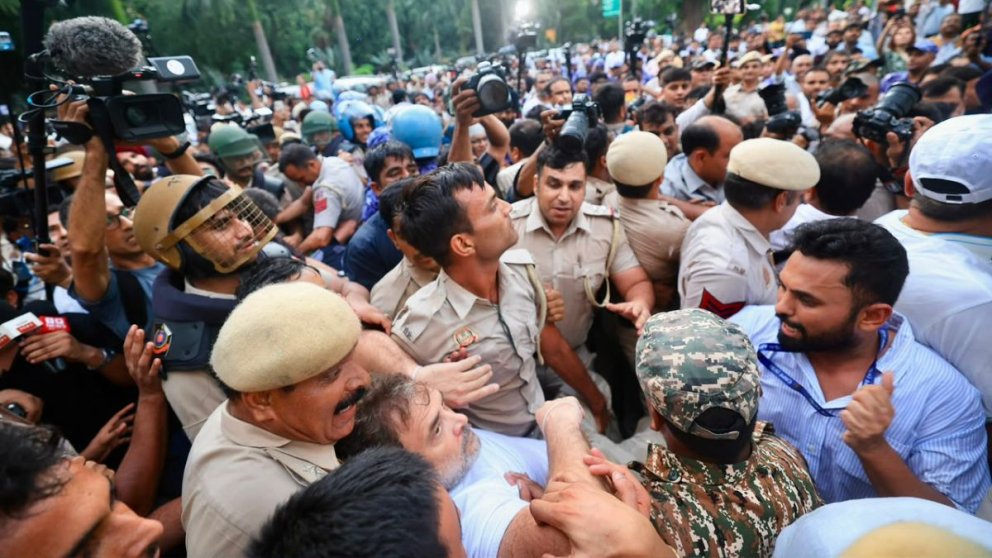
Political leaders across different regions often raise public issues to bring attention to community needs. For instance, high-profile political visits across different states highlight how leaders constantly engage with pressing public issues to mobilize support and push for policy changes.
There’s more to life than simply increasing its speed.
By Udaipur Freelancer
Arguments in Support of the Quota Demand
Supporters of Ramadoss's demand argue that reservation is based on social backwardness, not religious belief. If a community faces historical discrimination, that discrimination does not vanish overnight simply by changing one's faith. Therefore, denying reservation benefits to Dalit converts seems unfair to many activists.
They believe extending quota benefits to religious converts will help thousands of families get access to better education and public jobs. It will also promote equality and help narrow the gap between different social groups in India.
Challenges and Counter Arguments
On the other hand, critics argue that religions like Christianity and Islam do not recognize the caste system in their religious texts. Opponents maintain that extending Scheduled Caste status to converts might complicate the current reservation structure and affect the benefits available to existing SC communities.
Legal experts also note that amending the Constitution on this topic requires careful study, public discussion, and strong parliamentary consensus. Any decision must balance social justice with legal clarity so that no community feels left behind or ignored.
Conclusion
The demand made by Anbumani Ramadoss brings an important issue back into the national spotlight. As India continues to debate social reform and equal rights, the question of reservation for religious converts remains a critical topic for policymakers, legal experts, and citizens alike. How the government responds to this demand will shape the future of social justice policies in the country.
Udaipur Freelancer delivers high-quality web, marketing, and design solutions. We focus on building impactful digital experiences that help your brand succeed in today's market.








Recommended for you
Must-See Art Exhibitions Around the World This Year
The Revival of Classical Art in a Digital Age
Breaking Down the Elements of a Masterpiece Painting
The Revival of Classical Art in a Digital Age