Hello dear readers! Today we are going to talk about a very interesting and strange news story from India. You might have heard about Jantar Mantar in Delhi. It is a famous place where people go to protest, shout slogans, and ask the government to listen to their problems. But recently, something very strange happened. As Delhi shut down due to strict rules and security, multiple new Jantar Mantars suddenly started to spring up in different places. How is this even possible? Let us dive deep and find out what is really going on in the capital city.
Why Delhi Shuts Down Often
Delhi is the capital of India. It is a big and busy city. Millions of people live there. Because it is the center of power, political leaders, farmers, students, and workers always want to go there to share their worries. When big events happen or when the government wants to keep the city safe, they often close down many roads and areas. Sometimes, people are not allowed to gather at the original Jantar Mantar. When the main doors close for common people, clever citizens find new ways to make their voices heard.
When a city shuts down, life becomes hard for everyone. Just like a bad event can ruin your special plans—similar to facing a birthday nightmare restaurant compensation issue—people feel helpless when they cannot speak up. Protesters need a space to talk about their rights. If the main protest site is blocked by police barricades, what do the people do? They do not give up easily. They move to other corners of the city and create mini protest hubs.
The Rise of Mini Jantar Mantars
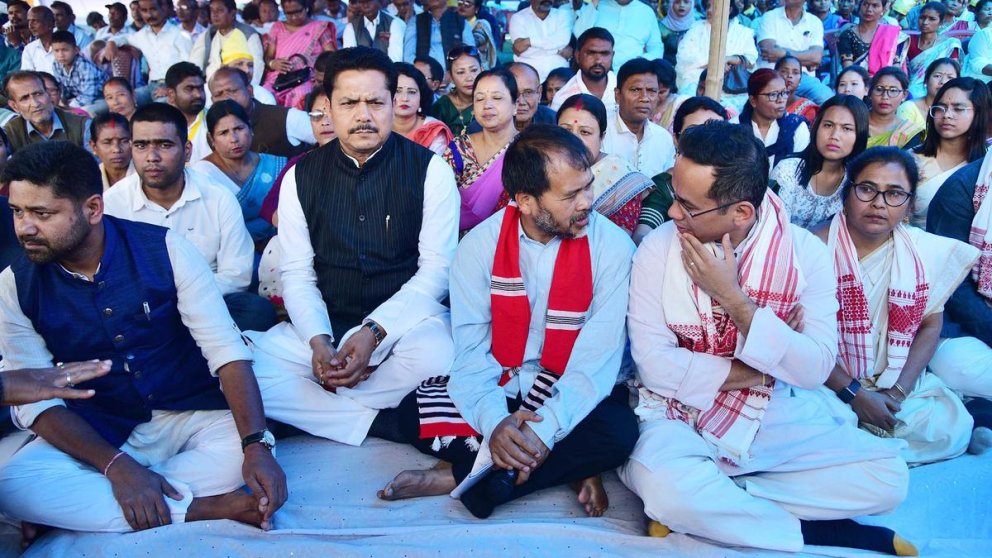
Suddenly, people started seeing small groups gathered at street corners, near parks, and close to metro stations. These new spots are now being called mini Jantar Mantars. Even though they are small, the anger and the message are very loud. Workers, teachers, and youths sit together with banners and posters. They want the leaders to answer their questions. The police try to stop them, but as soon as one small group is removed, another one pops up somewhere else in the city.
This situation reminds us how human beings always find a way to express themselves, no matter how hard the rules are. Whether it is people fighting for jobs or fans talking about sports heroes like a Mikel Merino Spain hero Portugal moment of sudden magic, passion always finds a way out. The sudden rise of these small protest spots shows that you can lock down a physical place, but you cannot lock down the thoughts and feelings of the public.
There’s more to life than simply increasing its speed.
By Udaipur Freelancer
What Does This Mean for the Future?
The big question is: what will the government do now? Closing down one big area does not solve the problems of the people. It only spreads the problem to many different places. When there was only one Jantar Mantar, it was easy for the police to watch the crowd and control the situation. Now, with multiple spots coming up all over the city, security forces have a very hard job. They have to run from one corner to another to manage the crowds.
Experts in public policy and city rules say that leaders must listen to the public instead of blocking them. When citizens feel ignored, they will always find a new voice and a new stage. Democracy thrives when people can talk openly. If the main streets remain closed, these small protest zones will only grow larger and stronger in the coming days.
Conclusion
In the end, the story of multiple Jantar Mantars springing up as Delhi shuts is a clear sign of the times. It shows that human spirit and the urge to speak up cannot be stopped by simple barricades. As days pass, everyone is waiting to see how the local administration handles this unique challenge. Will they open the main site, or will Delhi see even more small protest hubs in every street? Only time will tell. Thank you for reading today, and stay tuned for more exciting news updates!
Udaipur Freelancer delivers high-quality web, marketing, and design solutions. We focus on building impactful digital experiences that help your brand succeed in today's market.













Recommended for you
Must-See Art Exhibitions Around the World This Year
The Revival of Classical Art in a Digital Age
Breaking Down the Elements of a Masterpiece Painting
The Revival of Classical Art in a Digital Age