The Supreme Court of India recently made a very important decision. The court refused to stop the ongoing legal proceedings against the massive development project planned for Great Nicobar Island. This decision has caught the attention of environmentalists, government officials, and citizens alike. People who care about the environment are happy because the court is letting the legal search for truth continue. At the same time, supporters of the project are waiting to see how this affects their big plans for the island.
The Great Nicobar Island is a beautiful and quiet place. It is home to ancient forests, rare animals, and indigenous tribes who have lived there for thousands of years. Now, this peaceful island is at the center of a major legal and environmental battle. Let us look closely at what this court decision means, why the project is controversial, and what might happen next.
What is the Great Nicobar Project?
The Great Nicobar Project is a huge plan created by the government. The main goal of this project is to build several large structures on the island. The plan includes a massive international port, a new international airport, a power plant, and a modern city for tourists and workers. The government believes this project is very important. They say it will help the country’s economy grow by creating jobs and improving trade. They also believe it is important for national security because the island is located near busy global shipping routes.
However, building a massive city on a small, forested island requires a lot of space. To make room for these buildings, workers will have to cut down millions of trees. They will also need to change the natural layout of the land and the coast. This is why many people are deeply worried about the future of the island.
Why Are People Worried About the Environment?
Environmental scientists and activists are very concerned about this project. The island of Great Nicobar is not just a piece of land. It is a highly sensitive ecological zone. The island is home to the Leatherback turtle, the largest turtle in the world. These giant turtles use the sandy beaches of Great Nicobar to lay their eggs. If a massive port is built, these beaches could be destroyed forever, leaving the turtles with no place to reproduce.
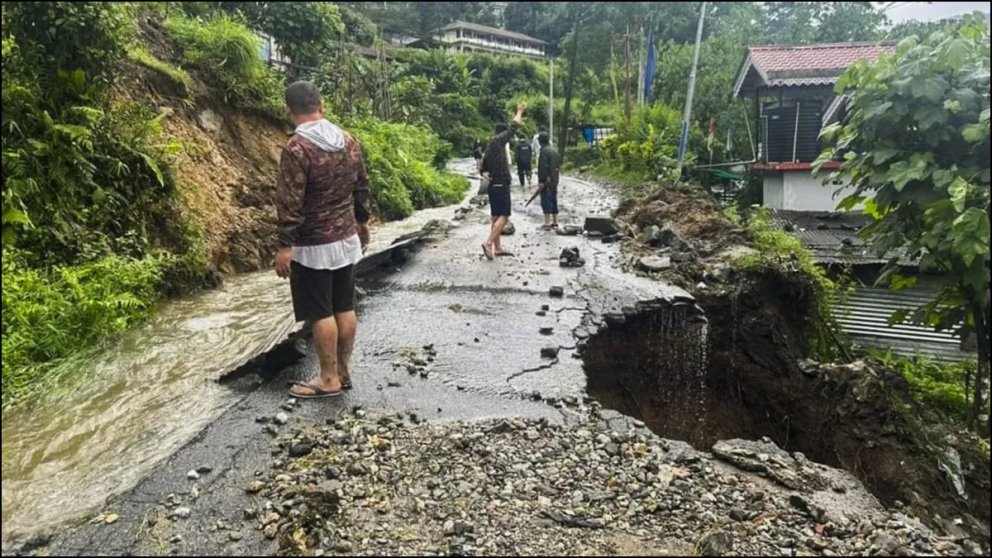
Furthermore, destroying forests can lead to terrible natural disasters. When humans cut down trees and disturb the soil on a large scale, the land becomes unstable. We have seen how unplanned development can lead to catastrophic events. For example, heavy rains on weakened soil can cause sudden landslides, similar to the tragic mumbai landslip that recently took lives and caused great pain to local families. Environmentalists fear that doing similar work on Great Nicobar could cause severe damage to the hilly terrain of the island.
The Role of the National Green Tribunal
Because of these worries, several people went to the National Green Tribunal, which is also called the NGT. The NGT is a special court in India that deals only with environmental issues. They look at projects to make sure they do not hurt nature. The NGT has been studying the Great Nicobar project carefully to see if the builders followed all the rules and if the project will do too much harm to the forest and the indigenous tribes.
There’s more to life than simply increasing its speed.
By Udaipur Freelancer
The developers of the project wanted the Supreme Court to stop these NGT discussions. They argued that the delays were costing too much money and slowing down important national work. However, the Supreme Court decided not to step in. By refusing to stop the NGT proceedings, the Supreme Court has shown that environmental safety must be taken seriously before any big construction can begin.
Preserving Nature and Ancient Heritage
This situation reminds us of how important it is to protect things that cannot be replaced. Once an ancient forest is cut down, it cannot be rebuilt in a few years. It takes centuries for such a rich ecosystem to grow. This is very similar to how we protect our physical history. For instance, people travel from all over the world to marvel at ancient Indian temples that have stood for more than a thousand years. We protect these temples because they are part of our identity and history. In the same way, the ancient forests of Nicobar and the tribes who live there are a living heritage that we must protect for future generations.
Many people argue that true progress should not come at the cost of our natural wealth. We must find a balance. It is possible to build new infrastructure, but it must be done in a way that does not destroy the delicate balance of our planet.
What Happens Next?
Now that the Supreme Court has made its decision, the National Green Tribunal will continue its work. They will listen to arguments from both sides. They will look at scientific reports, listen to the concerns of the local tribal communities, and examine the environmental plans of the developers. The developers will have to prove that they can build this project without causing permanent harm to the island's unique plants and animals.
This case is a landmark moment for environmental law in India. It shows that even the biggest and most important government projects must still answer to environmental rules. It gives hope to those who believe that nature deserves a voice in our courts of law. The world will be watching closely to see what the NGT decides in the coming months.
Udaipur Freelancer delivers high-quality web, marketing, and design solutions. We focus on building impactful digital experiences that help your brand succeed in today's market.


















Recommended for you
Must-See Art Exhibitions Around the World This Year
The Revival of Classical Art in a Digital Age
Breaking Down the Elements of a Masterpiece Painting
The Revival of Classical Art in a Digital Age