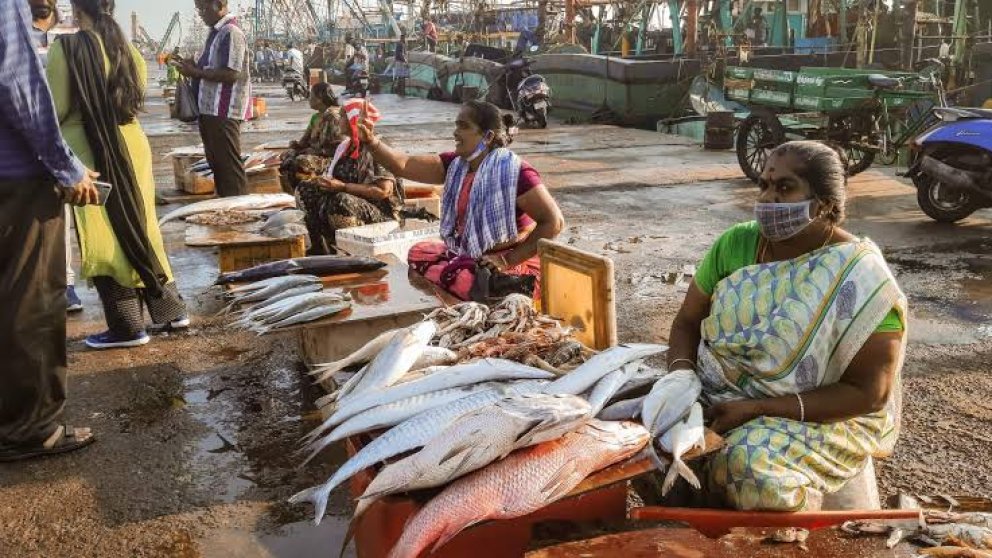
When we look around our cities and towns, we see many people working hard every single day. These are street vendors, construction workers, delivery partners, and daily wage earners. They are part of what we call the unorganised sector. They do not have fixed offices or big companies backing them up. Instead, they work under the sun, in heavy traffic, and often in very risky conditions. Because of this, their health and safety are a big concern for everyone.
What is an OSH Framework and Why Do We Need It?
OSH stands for Occupational Safety and Health. A proper OSH framework is a set of rules and laws made to protect workers from accidents and illnesses at their workplaces. For regular office workers, companies usually provide safe desks, clean air, and medical insurance. But for unorganised labourers, these basic protections are often missing. News reports show that a comprehensive OSH framework for these workers is still in the works. This means the rules are being planned, but they are not ready yet.
Just like how we need proper plans for better learning systems in our schools, we also need strong safety nets for our workers. Without clear rules, daily wage earners face many dangers. They might work without helmets, carry heavy loads without proper gear, or breathe in harmful dust for hours. When they fall sick or get hurt on the job, they usually lose their daily income. This puts their entire family in deep financial trouble.
The Big Challenges in Making the New Rules
Creating a single safety rulebook for millions of unorganised workers is not an easy job. India has a huge workforce, and a very large part of it belongs to the informal economy. These workers move from one place to another. Some work on farms, some drive auto-rickshaws, and others work in small local shops. Tracking them and making sure their employers follow safety rules is very tough for the government.
Another big issue is money and resources. Small business owners and local contractors often say they cannot afford extra safety gear or insurance for their workers. If the government forces them too hard without financial support, small businesses might suffer. Finding a balance between worker safety and business survival is the main reason why these rules are taking so much time to finalize.
There’s more to life than simply increasing its speed.
By Udaipur Freelancer
What This Means for the Future of Labor
Even though the framework is still in the works, talking about it is a good first step. People are now asking louder questions about basic human rights for laborers. We often talk about big tech upgrades or new phone gadgets coming to the market, but the real progress of a country is measured by how it treats its poorest workers. If the people who build our roads and deliver our food are not safe, our growth is incomplete.
Experts suggest that the new OSH framework should be simple to use. It should include easy ways for workers to register themselves, get free health check-ups, and receive quick money help if they get hurt. Local community groups and unions can also help the government reach the remotest workers who do not know how to read or write official forms.
Conclusion
The wait for a comprehensive OSH framework for unorganised labourers is long, but it is necessary to get it right. Rushing a law that affects millions of lives can lead to gaps and confusion. However, the delay should not become an excuse to forget about worker safety. The government, employers, and society must work together. Only when every worker can return home safely at the end of the day can we truly call our economy strong and fair.
Udaipur Freelancer delivers high-quality web, marketing, and design solutions. We focus on building impactful digital experiences that help your brand succeed in today's market.

















Recommended for you
Must-See Art Exhibitions Around the World This Year
The Revival of Classical Art in a Digital Age
Breaking Down the Elements of a Masterpiece Painting
The Revival of Classical Art in a Digital Age