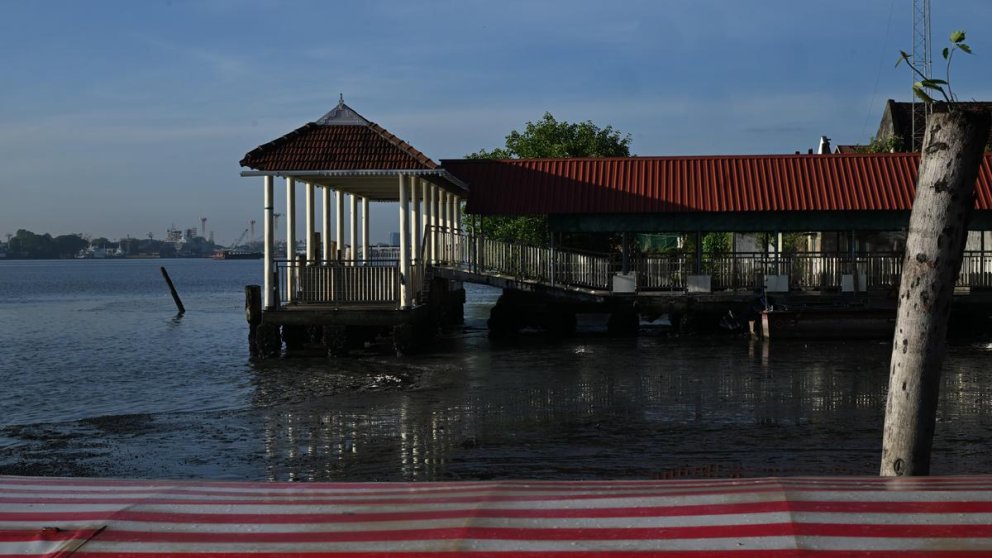
Imagine waking up early in the morning to go to work. You walk to the waterfront, expecting to catch your daily boat. But when you arrive, the gates are closed. There are no boats in sight. This is the sad reality for thousands of people right now. Stalled ferry services to two key jetties have left both daily commuters and excited tourists stranded. This sudden halt has created major problems in the local transport system.
For many coastal cities, ferry services are not just a fun ride. They are a lifeline. They connect different parts of the city that are separated by water. When these boats stop running, everything slows down. People cannot get to work on time, students miss their classes, and tourists are left with ruined holiday plans. Let us look closer at how this issue is affecting everyday life and what needs to be done to fix it.
Why the Ferry Services Stopped
The sudden stop of the ferry services did not happen without a reason. Reports suggest that a mix of technical issues, low water levels, and administrative delays are to blame. The boats that carry hundreds of people every day need regular safety checks. Without these checks, sailing can be very dangerous. However, waiting too long to do maintenance has now caused a complete shutdown.
Local authorities have stated that they are working on the problem. But for the people waiting at the docks, these words do not help much. The two key jetties are major transit points. Without active boats, the pressure has shifted entirely to road transport. This shift has caused massive traffic jams on nearby roads, making everyone's journey much longer and more stressful.
Daily Commuters Face Major Struggles
For daily commuters, the ferry is the cheapest and fastest way to travel. Taking a boat across the water might take fifteen minutes. Taking a bus or a taxi around the bay can take over an hour. Because of the stalled ferries, workers are now spending double the time and money on their daily travel. This extra travel time means less time spent with family and more money spent on expensive road transport.
Many people are looking at alternative ways to travel. While some people look at modern transport upgrades like E85 ethanol fuel in India to make road trips cleaner and cheaper, others just want their daily boat ride back. The extra cars and buses on the road also mean more pollution and more traffic. For a smooth daily routine, water transport is simply irreplaceable for these communities.
The Impact on Tourism and Local Business
Tourists travel from far away to enjoy the scenic water views and visit historic sites near the jetties. When they find out that the ferry services are stalled, they feel highly disappointed. Many tourists have had to cancel their hotel bookings and sightseeing plans. This has directly hurt local businesses that depend on tourism to survive.
There’s more to life than simply increasing its speed.
By Udaipur Freelancer
Shops, restaurants, and local tour guides near the jetties are seeing a huge drop in their daily earnings. Without visitors arriving by boat, these shops remain empty. Owners are worried that if the ferry services do not start soon, they will lose all their income for the season. Tourism is a main source of money for these coastal areas, and a long delay could be highly damaging to the local economy.
A Question of Local Governance
Many residents are angry at how the local government has handled the situation. They believe that better planning could have prevented this shutdown. Regular maintenance should be done in phases so that some boats are always working. This local transport crisis reminds us of other city management issues, such as the BMC corporators disqualified caste certificate scandal, which also showed how local administration struggles can affect the public.
When public services fail, it is always the common citizen who suffers the most. The people living near the key jetties are calling for more transparency. They want to know exactly when the boats will start running again. They also want a better backup plan so that a shutdown like this never happens again in the future.
What Lies Ahead
To solve this crisis, the authorities must act fast. First, they need to finish the safety checks on the existing ferries. Second, they must clear any bureaucratic delays that are holding back the funding for repairs. If the current boats cannot run, the government should consider hiring temporary private boats to keep the service going.
In the long run, investing in better water transport infrastructure is very important. Coastal cities need modern docks, reliable boats, and well-trained staff. This will help prevent sudden breakdowns and keep the public happy. For now, commuters and tourists can only hope that the familiar sound of the ferry horn returns to the jetties very soon.















Recommended for you
Must-See Art Exhibitions Around the World This Year
The Revival of Classical Art in a Digital Age
Breaking Down the Elements of a Masterpiece Painting
The Revival of Classical Art in a Digital Age