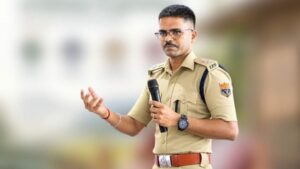
In a major legal battle, senior police officer A. Arun has made serious allegations against the popular YouTuber 'Savukku' Shankar. Speaking before the Madras High Court, the IPS officer claimed that Shankar is making up lies and sharing them as facts. According to the officer, Shankar is doing this mainly to make money and gain online fame. This case has caught the attention of many people who care about media, law, and truth in public life.
Who is Savukku Shankar?
Shankar, commonly known as 'Savukku' Shankar, is a well-known blogger and social media commentator in Tamil Nadu. He has a large following on YouTube and other social networks. He often talks about politics, corruption, and the police department. While many people follow him to hear his bold views, his critics say he often goes too far. They accuse him of sharing unverified news just to get more views, likes, and shares. Over the years, Shankar has faced multiple legal troubles, but this new accusation by a high-ranking IPS officer is one of the most serious challenges he has faced so far.
The Allegations Made by the IPS Officer
IPS officer Arun did not hold back in court. He stated that Shankar runs a YouTube channel and website where he regularly shares false stories. The officer claimed that these stories are not just simple mistakes or bad reporting. Instead, they are planned lies created to damage the reputation of honest officers who are doing their jobs. Arun argued that Shankar uses these fake stories to grow his online audience. A bigger audience means more ad money, subscriptions, and sponsors. Therefore, the officer believes Shankar is turning online defamation into a highly profitable business model.
The Rise of Fake News for Financial Gain
This case highlights a much bigger issue in today's digital world. Many content creators find that negative, shocking, or angry news gets more attention than simple facts. Sometimes, creators cross the line from strong opinion into outright lies. This behavior is very similar to online scams where innocent people are tricked by false claims. For instance, we have seen how people get trapped in the Dunki scam where scammers use false promises of travel and jobs for financial gain. In the same way, spreading fake news online can be a tool to exploit public curiosity for views and money.
The Madras High Court’s Role
The Madras High Court has been listening closely to both sides of this complex story. The court has a very difficult job to do. It must protect free speech, which is a key part of any healthy democracy. People must be allowed to criticize the government and the police. At the same time, the court must protect individuals from false, malicious attacks that destroy their careers and personal lives. The judges are looking at whether Shankar’s videos crossed the line from fair criticism into criminal defamation.
There’s more to life than simply increasing its speed.
By Udaipur Freelancer
Politics and Media in Tamil Nadu
Tamil Nadu has an active and passionate political environment. Social media has become the main battlefield for political parties, activists, and independent commentators. What people say on YouTube or Twitter can quickly change public opinions and cause real-world tension. These digital fights often reflect the larger political changes in the state. For example, local politics is always shifting, as seen when the BJP urges TVK to avoid DMK style confrontation with the central government. In such an intense environment, independent bloggers like Shankar hold a lot of power over public perception, which makes their responsibility even greater.
The Danger of Unchecked Online Content
When bloggers share news without checking the facts, it hurts the entire society. It makes the public lose trust in both the police and the media. IPS officer Arun argued that if people can say anything they want online without proof, no public servant will be safe from online bullying and character assassination. The officer wants the court to stop Shankar from making more defamatory videos about him. He believes that there must be rules to hold online creators accountable.
What Lies Ahead?
The outcome of this case will be very important for all online content creators in India. It will help define where free speech ends and defamation begins. If the court rules strictly against Shankar, it could send a strong message to other YouTubers. It will show that they cannot use lies to make quick money. Everyone online must learn that with great reach comes great responsibility, and the truth must always come first.
Udaipur Freelancer delivers high-quality web, marketing, and design solutions. We focus on building impactful digital experiences that help your brand succeed in today's market.












Recommended for you
Must-See Art Exhibitions Around the World This Year
The Revival of Classical Art in a Digital Age
Breaking Down the Elements of a Masterpiece Painting
The Revival of Classical Art in a Digital Age