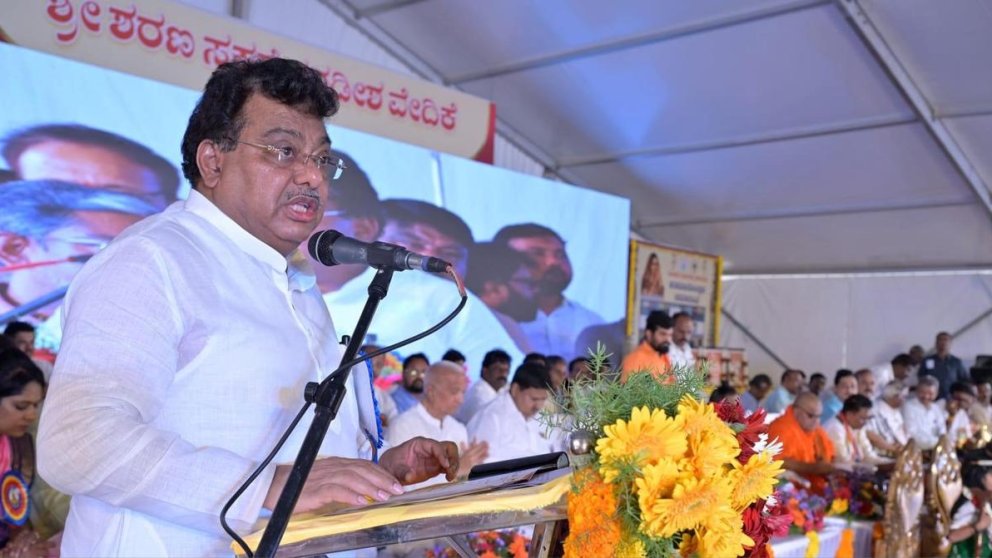
A senior state minister has strongly criticized the Union government, claiming that its current decisions and strategies are working against the best interests of farmers. In a recent press briefing, the minister stated that rural communities are facing severe economic stress due to unfair market structures, rising production costs, and inadequate financial safety nets provided by the central administration.
Agriculture remains the primary backbone of the country's economy, employing millions of citizens and ensuring food security across every state. When policy changes create difficulties for farming families, the entire nation feels the pressure. The minister argued that instead of offering real relief to small-scale growers, current central policies are making cultivation unaffordable and financially risky.
Why Are Farmer Policies Under Scrutiny?
The minister highlighted several critical pain points that cultivators are dealing with on a daily basis. The main complaint centers on the rising prices of basic farming necessities, including certified seeds, quality fertilizers, fuel for machinery, and reliable electricity. Over the past few seasons, the operational expenses for running a farm have doubled, while the selling prices for harvested crops have stayed relatively flat.
Another major issue discussed was the system of Minimum Support Prices (MSP). Farm leaders and regional ministers have repeatedly asked for a binding legal guarantee for MSP so that private buyers cannot purchase essential grains below fair baseline prices. Without these strict safeguards, small cultivators often have to sell their yields at throwaway rates to middlemen simply to repay their immediate loans.
Impact on Rural Economies and Livelihoods
When farming families struggle to make a profit, village economies quickly slow down. Local stores, rural service providers, and agricultural laborers all experience reduced income. The minister noted that young people are increasingly looking to leave rural areas because farming is no longer seen as a sustainable career choice, which poses a long-term danger to national food independence.
These policy debates are taking place alongside broader administrative changes across the country. Just as political observers analyze the recent political shifts in key states, rural welfare decisions are shaping how regional leaders engage with the central leadership. State governments are urging the central authorities to listen closely to regional representatives before rolling out broad national agricultural rules.
Demands for Structural Reform and Dialogue
To fix these pressing problems, the minister outlined several immediate steps that the Union government should take to restore trust with the farming community:
There’s more to life than simply increasing its speed.
By Udaipur Freelancer
First, there must be a genuine expansion of direct subsidies on essential inputs such as organic and chemical fertilizers. Second, the public procurement infrastructure must be upgraded so that government purchase centers are easily accessible in every block, eliminating lengthy transport delays for farmers carrying perishable goods.
Third, institutional credit needs to be simplified. Many smallholders still depend on local money lenders charging exorbitant interest rates because formal bank procedures remain too complicated. Just as lawmakers examine critical legislation through special committee reviews and discussions, agricultural laws and financial assistance packages need detailed consultation with actual grassroots growers before implementation.
Looking Ahead to a Collaborative Solution
The divide between central planners and regional agricultural departments must be closed through open dialogue. Farming is deeply affected by regional factors such as soil types, local weather patterns, river access, and state-specific market demands. A single uniform policy designed from top-down offices cannot properly solve the distinct struggles faced in different parts of the country.
In conclusion, supporting growers is not merely a political topic; it is an essential public responsibility. By providing fair price guarantees, modern storage facilities, affordable crop insurance against extreme weather, and transparent subsidy distribution, the central government can protect the future of agricultural workers and strengthen the nation's food security for generations to come.













Recommended for you
Must-See Art Exhibitions Around the World This Year
The Revival of Classical Art in a Digital Age
Breaking Down the Elements of a Masterpiece Painting
The Revival of Classical Art in a Digital Age