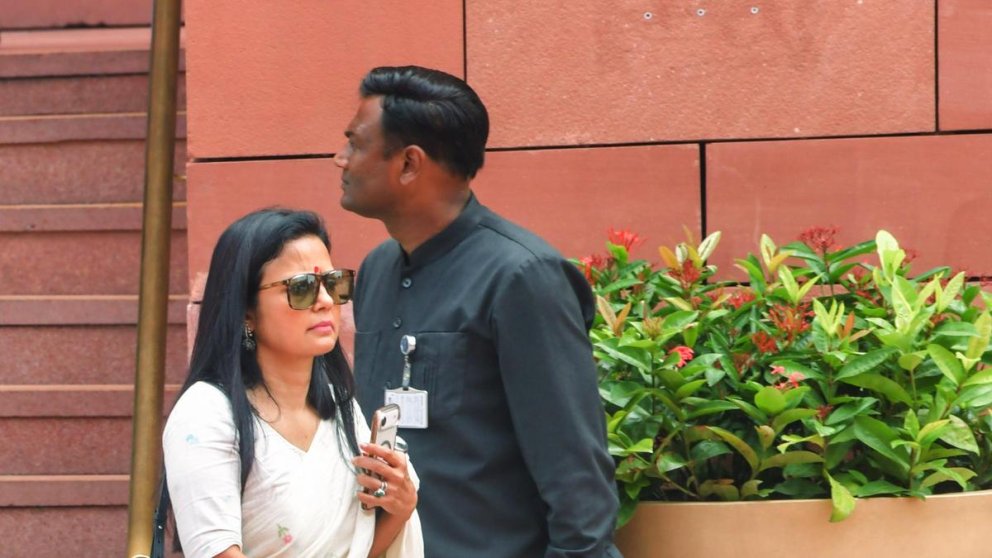
Trinamool Congress leader Mahua Moitra has raised serious allegations after she was reportedly asked to leave a government circuit house late at night. The senior politician expressed her anger over the sudden incident, stating that basic courtesy and official protocol were completely ignored. This situation has quickly sparked a wider discussion about how elected officials and public representatives are treated during official travels.
What Happened During the Incident?
According to reports, Mahua Moitra was staying at a state circuit house after completing her daily schedule of public meetings. Late in the evening, local administrative staff informed her that she needed to vacate her room immediately. The sudden notice left little time for her to find alternative accommodation in the middle of the night.
Moitra strongly criticized the move, calling it arbitrary and politically motivated. She pointed out that government circuit houses are meant to host public servants and elected lawmakers. Demanding someone leave late at night without prior warning raises serious safety concerns and violates administrative norms.
Political Friction in West Bengal
This incident is not an isolated event but part of a larger, ongoing political battle in the state. Tensions between rival parties often spill over into administrative matters, creating public controversies. Similar friction has been seen in past rivalries, such as the political developments surrounding the Suvendu Adhikari Delhi meeting and TMC exits, which highlighted deep rifts within regional political circles.
When administrative facilities become battlegrounds for political rivalry, it creates mistrust between government officials and elected leaders. Observers note that administrative decisions must remain neutral and adhere strictly to established guidelines rather than partisan influence.
Understanding Circuit House Rules and Protocols
Circuit houses and government guest houses are designed to offer safe and temporary shelter to visiting dignitaries, government servants, and members of parliament. Usually, bookings are confirmed in advance through district administration offices.
If a booking needs to be cancelled due to emergency reasons or high-level official visits, clear notice is normally given ahead of time. Asking any guest, especially a woman lawmaker, to leave in the middle of the night goes against established safety principles and administrative decency.
There’s more to life than simply increasing its speed.
By Udaipur Freelancer
The Mental and Physical Demands of Public Life
Being an active politician requires long hours of travel, intense public scrutiny, and high stress. Leaders often have to manage chaotic schedules, public meetings, and sudden administrative roadblocks while maintaining their composure. To handle such demanding careers, many public figures rely on lifestyle habits for peak mental performance to stay sharp and resilient during unexpected crises.
When unexpected disruptions occur late at night, it affects both personal safety and peace of mind. Such situations highlight the importance of clear communication between field workers, security teams, and the district administration.
What Comes Next?
Following the controversy, demands have been made for an official inquiry into who ordered the eviction and why proper procedures were bypassed. The Trinamool Congress leadership is expected to raise the matter with higher administrative authorities to ensure that such incidents do not happen again.
Fair treatment of all public representatives is essential for a healthy democracy. Irrespective of political differences, administrative decorum, basic respect, and safety must always be upheld.












Recommended for you
Must-See Art Exhibitions Around the World This Year
The Revival of Classical Art in a Digital Age
Breaking Down the Elements of a Masterpiece Painting
The Revival of Classical Art in a Digital Age