Around the world, politics often runs in the family. We see sons, daughters, and close relatives step into the shoes of famous political figures. This pattern appears in big democracies, small nations, and local governments. But how exactly does a family legacy translate into real political leadership? Is it just about having a famous last name, or does it go much deeper than that?
The Advantage of Name Recognition
When a person runs for public office, the biggest challenge is getting people to know who they are. Most new candidates spend millions of dollars and years of hard work just introducing themselves to voters. Legacy leaders do not face this problem in the same way. Their family name is already well known to millions of voters.
A well-known name gives instant brand value. When people see a familiar surname on a voting ballot, it sparks a feeling of familiarity. Voters often connect that surname with past achievements, stability, or emotional memories of previous leaders. Even if someone is completely new to running a campaign, being related to a popular leader gives them a massive head start.
Growing Up in the Political World
Leadership skills do not just appear overnight. For people born into political families, politics is part of daily dinner table conversations. They observe elections, political debates, and public speeches from a very young age. This environment acts like an informal training school.
Children of politicians learn how to handle crowds, how to speak to the media, and how to stay calm under intense pressure. They watch their parents build alliances and negotiate complex issues. By the time they enter public life, they already know the unspoken rules of power. To discover more articles on leadership and society, you can explore the UF Blogs platform for insightful reads.
Access to Networks and Funding
Running a successful campaign requires strong networks and plenty of financial resources. This is where family legacy provides its strongest boost. Political families have established relationships with party workers, donors, influential business leaders, and community organizers that span decades.
When a younger family member steps into leadership, these networks transfer smoothly. Party workers often show deep loyalty to the family, making it easier to mobilize volunteers for rallies and events. Donors are also more willing to give money because they view a legacy candidate as a safe, predictable bet compared to an unknown newcomer.
There’s more to life than simply increasing its speed.
By Udaipur Freelancer
The Burden of High Expectations
While having a famous political family offers many advantages, it also brings heavy challenges. The pressure to live up to a famous predecessor can be overwhelming. Every speech, decision, and mistake is compared directly to the accomplishments of their parents or grandparents.
Modern citizens also demand high accountability from their leaders, regardless of their family background. When public officials fail to meet basic needs or make poor choices, public backlash can be swift and unforgiving. We often see how public pressure forces ministers and representatives to respond quickly, such as when a health minister apologises after disability rights activists protest over key issues. A strong family name cannot shield a leader from the demand for real results.
Nepotism Concerns and Democracy
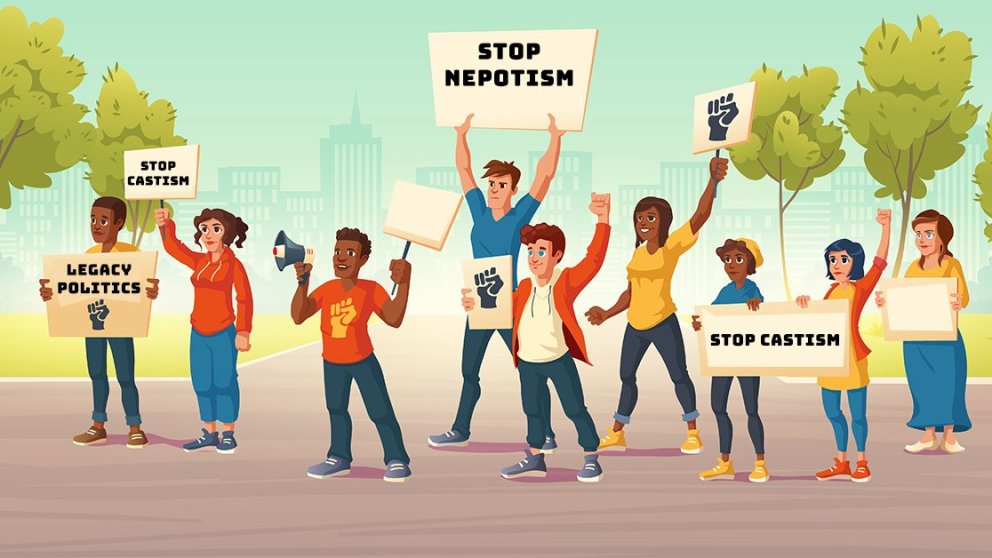
Dynastic politics always raises serious questions about fairness. Critics argue that family-based politics creates a closed circle of power where ordinary citizens without elite connections cannot compete. It can discourage talented, hardworking young leaders from joining politics because the top positions are reserved for family heirs.
True democracy relies on merit, fresh ideas, and equal opportunity. When political parties rely too much on family succession, they risk becoming out of touch with changing public needs. However, in democratic systems, voters hold the ultimate power. If a legacy leader fails to perform or understand public struggles, voters can and do vote them out.
Conclusion
Family legacy acts as an open door into politics, providing fame, money, and networks. But an open door only gets a candidate through the entrance. Once inside, political leadership requires genuine empathy, vision, and the ability to solve real problems. In the end, voters care less about who your parents were and more about what you can deliver for their future.













Recommended for you
Must-See Art Exhibitions Around the World This Year
The Revival of Classical Art in a Digital Age
Breaking Down the Elements of a Masterpiece Painting
The Revival of Classical Art in a Digital Age