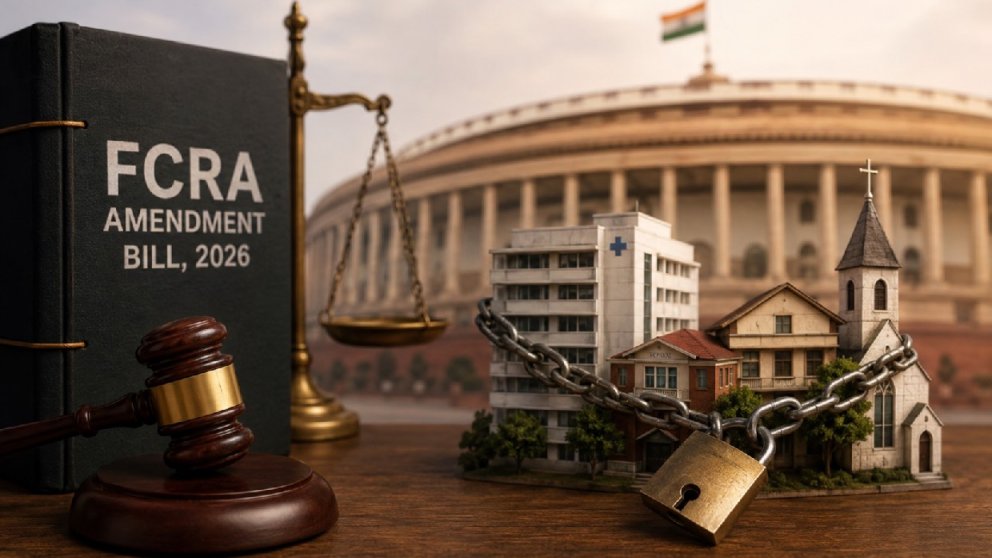
The central government has decided to refer the new Foreign Contribution Regulation Act (FCRA) Bill to a Joint Parliamentary Committee, also known as a JPC. This decision comes after strong public reactions, debates, and pushback from various groups, including non-governmental organizations and civil society members. Sending a proposed law to a parliamentary committee is a major step in the lawmaking process in India. It means that lawmakers want to take a closer look at the rules before passing them into law.
In this article, we will break down what the FCRA Bill is, why people were unhappy with it, what a Joint Parliamentary Committee does, and why this development matters for everyone.
What is the FCRA and Why Does It Matter?
The Foreign Contribution Regulation Act, or FCRA, is a key law in India that controls how organizations, charities, and individuals receive money from foreign countries. The main goal of the law is to make sure that foreign funds are used for good causes and do not harm national security or public interest.
Many non-profit groups, schools, hospitals, and social welfare charities rely on foreign donations to run their daily programs. They build schools in rural areas, run clinics, and help people during natural disasters. Therefore, any change in foreign funding rules directly affects how these charities do their work across the country.
Why Did the FCRA Bill Face Backlash?
The government recently proposed amendments to make the foreign funding rules stricter. The goal was to increase accountability and stop any misuse of money. However, many non-governmental organizations and legal experts raised serious concerns about the new rules.
Critics argued that the strict conditions made it very hard for small charities to operate. They pointed out that long administrative delays, tough registration steps, and limits on how money can be shared between partner organizations would slow down relief work. Many smaller social groups claimed they would have to close down because they could not handle the complex paperwork.
Just as public discussions shape government decisions on law and order, such as updates around the Delhi Police recruitment ex-Agniveer policy, feedback on funding laws also plays an important role in changing national regulations.
What is a Joint Parliamentary Committee (JPC)?
A Joint Parliamentary Committee is a special committee set up by Parliament. It includes members from both houses of Parliament: the Lok Sabha and the Rajya Sabha. Members of this committee come from both the ruling party and opposition parties, making it a balanced group.
When a complex bill is referred to a JPC, the committee studies every detail of the proposed law. They talk to experts, hold discussions with public leaders, and listen to concerns from affected groups. After completing their review, the committee submits a detailed report back to Parliament with suggestions and recommended changes.
There’s more to life than simply increasing its speed.
By Udaipur Freelancer
Why Is Sending the Bill to a JPC Important?
Referring the FCRA Bill to a JPC is a positive sign for democracy. It shows that the government is willing to pause, review feedback, and listen to differing viewpoints. Instead of rushing a law through Parliament, lawmakers will now take the time to inspect how the rules will work in practice.
This step allows social workers, legal specialists, and charity organizers to share their real-world problems directly with parliamentarians. The JPC review helps ensure that while national security is protected, honest charitable organizations are not burdened by unnecessary red tape.
Technology and Compliance in Modern Governance
Managing foreign funds and legal compliance in today's digital world requires clear guidelines and modern technology. Efficient digital systems make reporting transparent and help organizations maintain complete records easily.
As digital platforms evolve rapidly, modern technological solutions like the Microsoft GitHub AI transformation demonstrate how technology can streamline complex workflows and improve data tracking. Adopting smooth digital tracking systems can help both the government and non-profits monitor foreign funds accurately without manual delays.
What Happens Next?
Now that the Centre is set to refer the FCRA Bill to a JPC, the committee will begin its work soon. Members will meet regularly to examine the clauses of the bill, review public suggestions, and consult with legal and social experts.
Once the JPC finishes its detailed report, it will present its recommendations to Parliament. Lawmakers will then debate the revised bill before voting on it. This review process takes time, but it helps create balanced laws that serve the public interest while addressing important national security concerns.















Recommended for you
Must-See Art Exhibitions Around the World This Year
The Revival of Classical Art in a Digital Age
Breaking Down the Elements of a Masterpiece Painting
The Revival of Classical Art in a Digital Age