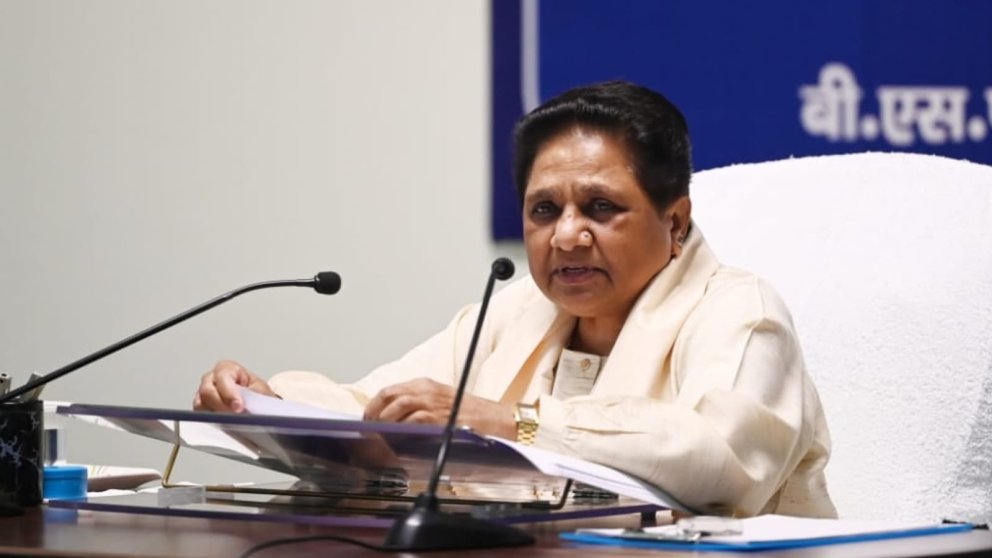
Bahujan Samaj Party president Mayawati has made a strong public statement. She openly rejected the idea of applying a creamy layer rule to Scheduled Castes and Scheduled Tribes. Her remarks came after recent discussions about changes in India reservation system. Mayawati expressed deep concern about how these changes could harm social justice for backward communities across the country.
During her press conference, the former Uttar Pradesh Chief Minister spoke clearly about the original purpose of affirmative action in India. She argued that reservations for SCs and STs were created to fix historical unfairness and social caste bias. Unlike other categories, the challenges faced by these communities are rooted in deep social discrimination rather than just financial standing.
Understanding the Creamy Layer Concept
To understand this political debate, it helps to know what the creamy layer means. The term refers to individuals within a reserved category who are economically advanced. Under existing rules for Other Backward Classes, those who earn above a certain income limit do not get quota benefits. The idea is to leave opportunities for poorer members of the same group.
However, Mayawati and many social activists believe that applying this rule to SCs and STs is wrong. They argue that social stigma does not disappear just because a family earns a higher income. A wealthy person from a marginalized caste can still face social discrimination, unfair treatment, and exclusion in everyday life.
Why Mayawati Strongly Rejects the Change
Mayawati pointed out that constitutional protections were given to SCs and STs based on social oppression, not poverty alone. She believes that adding an income cap will weaken the entire quota system. If high-earning members are excluded, many seats reserved for these groups might remain unfilled due to administrative hurdles.
She warned that removing successful individuals from the quota pool sends the wrong message. According to her, when a person from an SC or ST background rises to a high position, it helps lift the entire community's confidence. Removing them from reservation rights could slow down social progress and political empowerment.
Direct Attack on the RSS and Central Policies
In her speech, Mayawati did not hold back her criticism of the Rashtriya Swayamsevak Sangh. She accused the organization and its political allies of trying to weaken constitutional rights given to underprivileged groups. She stated that the RSS has long favored changing how quotas work in India.
There’s more to life than simply increasing its speed.
By Udaipur Freelancer
[
Mayawati urged her followers to remain watchful against any attempt to alter Dr. B.R. Ambedkar's vision for the Constitution. Political movements across the nation often lead to major public reactions, much like the public movements seen during the delhi fortress cjp parliament march event where thousands gathered to make their voices heard on important national issues.
The Political Impact on Indian Politics
This strong stance by the BSP chief comes at a critical political time. Leaders across different parties are now forced to clarify their position on SC and ST reservation rules. Many regional parties are worried about losing support from Dalit voters if they support the creamy layer policy.
Public debates about social policy, political updates, and court decisions are taking place every day. People who follow social issues and current events often test their knowledge through resources like a weekly news quiz to stay informed about daily national developments.
What Lies Ahead for SC and ST Reservation
The debate around reservation policies is far from over. Mayawati has called upon Dalit organizations and social rights leaders to unite against any attempt to trim SC and ST rights. She insisted that government bodies must protect the original provisions created by the Constitution builders.
As political parties prepare for upcoming elections, the issue of creamy layer classification will remain a central topic. The ruling coalition faces pressure from both legal recommendations and public demands. For now, leaders like Mayawati continue to signal that any changes to caste-based quotas will face strong opposition across the nation.












Recommended for you
Must-See Art Exhibitions Around the World This Year
The Revival of Classical Art in a Digital Age
Breaking Down the Elements of a Masterpiece Painting
The Revival of Classical Art in a Digital Age