On a busy day in Parliament, members of the Dravida Munnetra Kazhagam (DMK) staged a walkout from both the Lok Sabha and the Rajya Sabha. They walked out to protest against the central government regarding the long-standing Cauvery water dispute. This sudden move brought national attention back to the critical issue of water sharing between southern Indian states.
The Cauvery river issue is not new, but it remains one of the most sensitive political and social topics in Tamil Nadu and Karnataka. When DMK MPs felt that their concerns were not being addressed properly in the House, they decided to express their anger by leaving the proceedings. This step shows how urgent the water situation has become for local farmers and residents.
Understanding the Cauvery Water Dispute
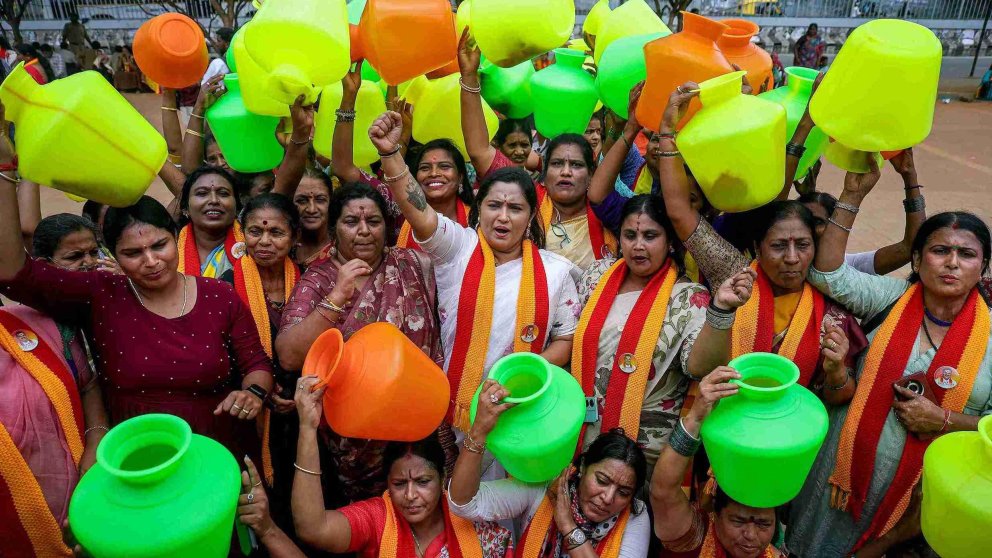
The Cauvery River flows through Karnataka and Tamil Nadu before reaching the Bay of Bengal. For decades, both states have argued over how much water each should get. Tamil Nadu relies heavily on the river to supply water for agriculture in its fertile delta region. Farmers in this region depend on timely water releases to grow their crops, especially rice.
On the other hand, Karnataka often points out that low rainfall leads to shortages in its own reservoirs. When rain is insufficient, filling city water needs and farm needs in Karnataka becomes difficult. This creates a conflict whenever rain levels drop below normal expectations during monsoon seasons.
Why DMK Members Left Both Houses
During the parliamentary session, DMK lawmakers wanted an immediate discussion on the Cauvery issue. They argued that Tamil Nadu was not receiving its fair share of water as mandated by the Cauvery Water Management Authority. They urged the central government to intervene and instruct Karnataka to release the required amount of water immediately.
When their demands for an urgent debate were not accepted, the members started raising slogans. Shortly after, they walked out from both the upper and lower houses of Parliament. They wanted to send a strong message that the livelihoods of millions of farmers in Tamil Nadu cannot be ignored.
The Impact on Farmers and Local Communities
Water disputes are not just political arguments; they directly impact human lives. Without enough water from the Cauvery River, lakhs of farmers face severe financial losses. Crops dry up in the fields, leaving families without income for the entire season. This loss cascades into local markets, affecting small business owners and day laborers across the state.
There’s more to life than simply increasing its speed.
By Udaipur Freelancer
Because farming relies heavily on weather patterns and government policies, financial stability remains a constant worry. Rural communities often look toward national economic planning, including budget expectations and financial support schemes, to help them recover during difficult farming years when natural resources fall short.
Parliamentary Politics and Public Accountability
Protesting by walking out is a common method used by political parties in India to draw public focus to major regional concerns. By walking out of both houses simultaneously, the DMK emphasized that the Cauvery issue is a matter of top priority for Tamil Nadu. It puts pressure on the central authority to take active steps to enforce water sharing agreements.
People across the nation expect fair treatment from legal authorities and government bodies when rights are involved. Just as citizens seek justice and accountability in legal cases, farmers expect judicial orders and board decisions regarding river water to be followed strictly by all participating states.
What Lies Ahead for the Dispute?
Resolving river disputes requires cooperation, transparency, and respect for established authorities like the Cauvery Water Management Authority. While rainy seasons can temporarily ease tensions, dry spells always bring the conflict back to the surface. Both states must work together alongside central experts to manage water resources efficiently.
Modern irrigation techniques, rainwater harvesting, and crop diversification can help reduce reliance on river flow. However, short-term relief for farmers requires immediate compliance with shared water agreements. The walkout by DMK MPs serves as a clear reminder that regional water security will remain a hot topic in national politics until a permanent, workable strategy is put into place.













Recommended for you
Must-See Art Exhibitions Around the World This Year
The Revival of Classical Art in a Digital Age
Breaking Down the Elements of a Masterpiece Painting
The Revival of Classical Art in a Digital Age