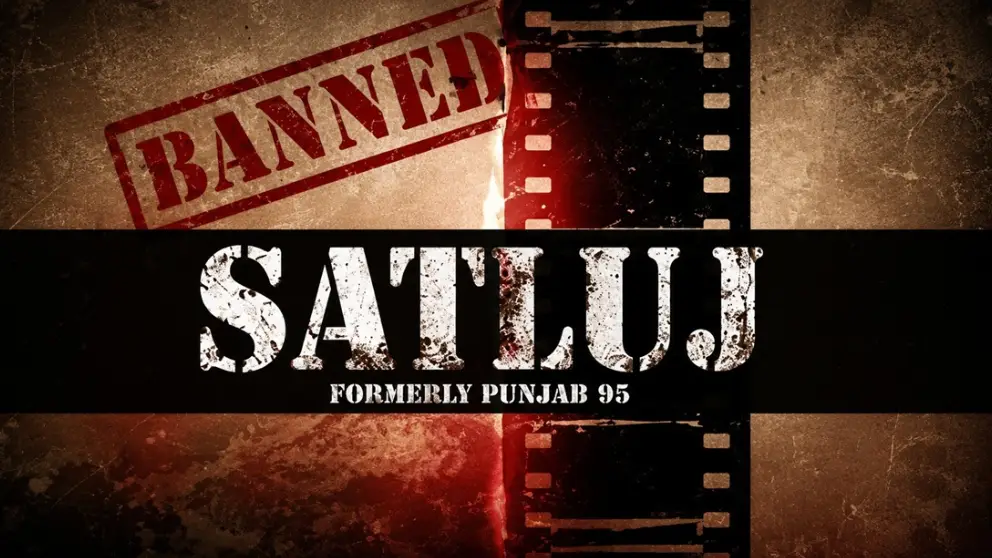
A major question regarding freedom of speech is currently unfolding in the Punjab and Haryana High Court. A 36-year-old petitioner has filed a Public Interest Litigation (PIL) demanding that the film 'Satluj' be returned to the OTT platform ZEE5. The movie, which tells the story of human rights activist Jaswant Singh Khalra and stars Diljit Dosanjh, appeared on the platform for only two days before it was suddenly removed.
Why Was the Film Withdrawn?
The film, originally titled 'Punjab '95', faced a long struggle with the Central Board of Film Certification (CBFC) before it was allowed to be released. After many cuts and modifications, it finally arrived on ZEE5 on July 3, but it was pulled down by July 5. The platform mentioned only vague "current developments" for the removal, without citing any specific legal or government order. This lack of transparency has sparked a debate about whether creative works can be hidden from the public without a clear, legal explanation.
The Constitutional Argument
The legal team representing the petitioner argues that this removal violates Article 19(1)(a) of the Indian Constitution, which protects the right to freedom of speech and expression. The petition claims that the public has a fundamental right to receive information and watch films that have already received certification. Just as citizens are interested in important political and social issues, they also deserve access to historical stories that have already been examined by courts.
The petitioner pointed out that the events in the film are based on real legal history. Because the facts surrounding Jaswant Singh Khalra have already been discussed in judicial proceedings, the petitioner believes there is no reason to block the artistic retelling of these events. The case is now waiting for a hearing, and it will be a landmark moment to see how the court balances streaming platform policies with the rights of the audience.
There’s more to life than simply increasing its speed.
By Udaipur Freelancer
Transparency in the Digital Age
The sudden disappearance of the film has left many subscribers feeling frustrated. People pay for subscriptions with the expectation of accessing a library of content. When that content is removed without a public explanation, it raises concerns about who exactly has the power to control what we see. In a world where we carefully analyze everything from home furniture to global policies, the ability to access historical cinema should not be ignored.
Ultimately, this case is about more than just one movie. It is about whether citizens can be deprived of artistic and historical expressions through quiet, behind-the-scenes actions. If the court decides that a lawfully certified film cannot be hidden without a proper, transparent legal order, it could set a major precedent for how streaming services operate in India in the future.















Recommended for you
Must-See Art Exhibitions Around the World This Year
The Revival of Classical Art in a Digital Age
Breaking Down the Elements of a Masterpiece Painting
The Revival of Classical Art in a Digital Age