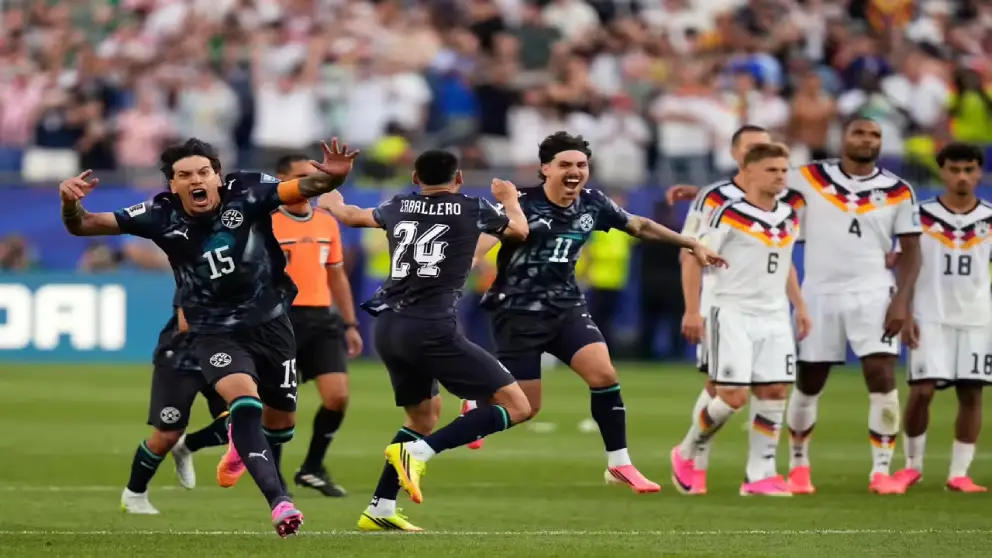
The FIFA World Cup is supposed to be the pinnacle of football, a time where the best athletes in the world compete for glory. However, this year, the focus has shifted from the beautiful game to the controversial use of Video Assistant Referee (VAR). Fans and players alike are frustrated by the inconsistent way rules are applied, leading many to feel that while all VARs are equal, some seem 'more equal than others' when it comes to game-changing decisions.
The Egypt Goal That Never Was
Take the match between Egypt and Argentina as a prime example. Mostafa Ziko celebrated what he thought was a 2-0 lead, only to have the goal wiped off the board. VAR looked back seventeen seconds to a challenge by Marwan Attia on the other side of the pitch. Because of a tiny contact on a foot, the goal was cancelled. It left everyone wondering: how far back can you go to find a fault? It felt like the referees were hunting for a reason to stop the game rather than letting the flow continue.
Much like how we analyze complex systems—whether we are researching study tricks to learn faster or evaluating global policies—we expect fairness and clarity. Unfortunately, the current VAR system is lacking both.
Inconsistency is the Real Problem
This is not an isolated incident. In a match involving Ghana and England, a penalty appeal was waved away even though there was clear contact. Coach Carlos Queiroz famously joked that the VAR team must have gone for a coffee. When technology is supposed to be a tool for precision, such oversights feel like a failure. If you think the officiating is erratic, you are not alone; many fans are comparing these decisions to the unpredictable nature of things like Hondas new H logo shift or other major corporate pivots that leave the public scratching their heads.
There’s more to life than simply increasing its speed.
By Udaipur Freelancer
The Threshold for Intervention
Brazil also felt the sting of a harsh VAR call when a goal by Vinicius Jr was disallowed. The referee decided there was a foul in the build-up, even though replays showed only the lightest touch. The debate here isn't just about whether there was contact, but about the threshold for stepping in. VAR is intended to correct 'clear and obvious' errors. When subjective calls are constantly being overturned, the spirit of the game starts to fade.
Football is a game of passion, human error, and physical intensity. When we rely too much on technology to police every single step, we lose the magic that makes us love the sport. FIFA needs to reconsider its protocols to ensure that VAR acts as a safety net for mistakes, not as a second-guessing machine that ruins the excitement of a well-earned goal.














Recommended for you
Must-See Art Exhibitions Around the World This Year
The Revival of Classical Art in a Digital Age
Breaking Down the Elements of a Masterpiece Painting
The Revival of Classical Art in a Digital Age