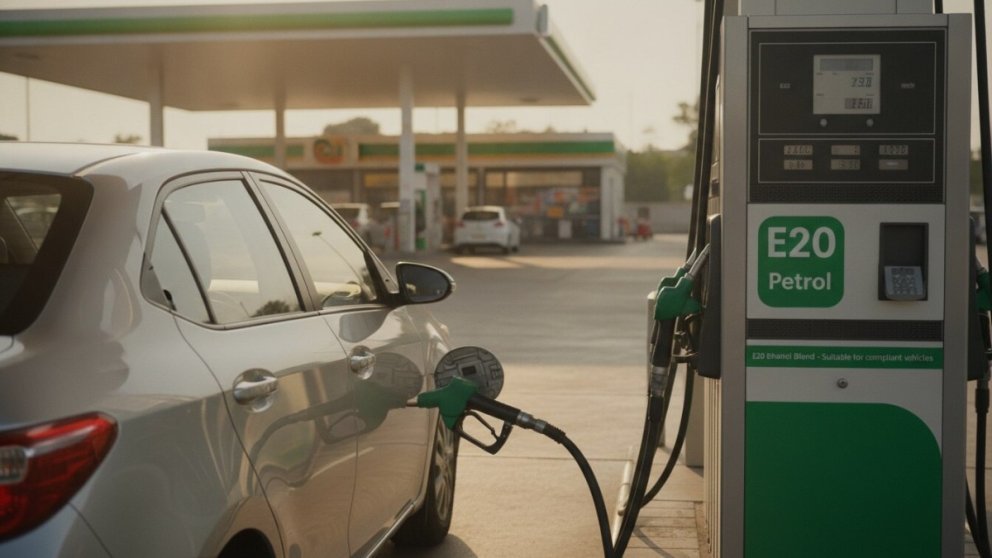
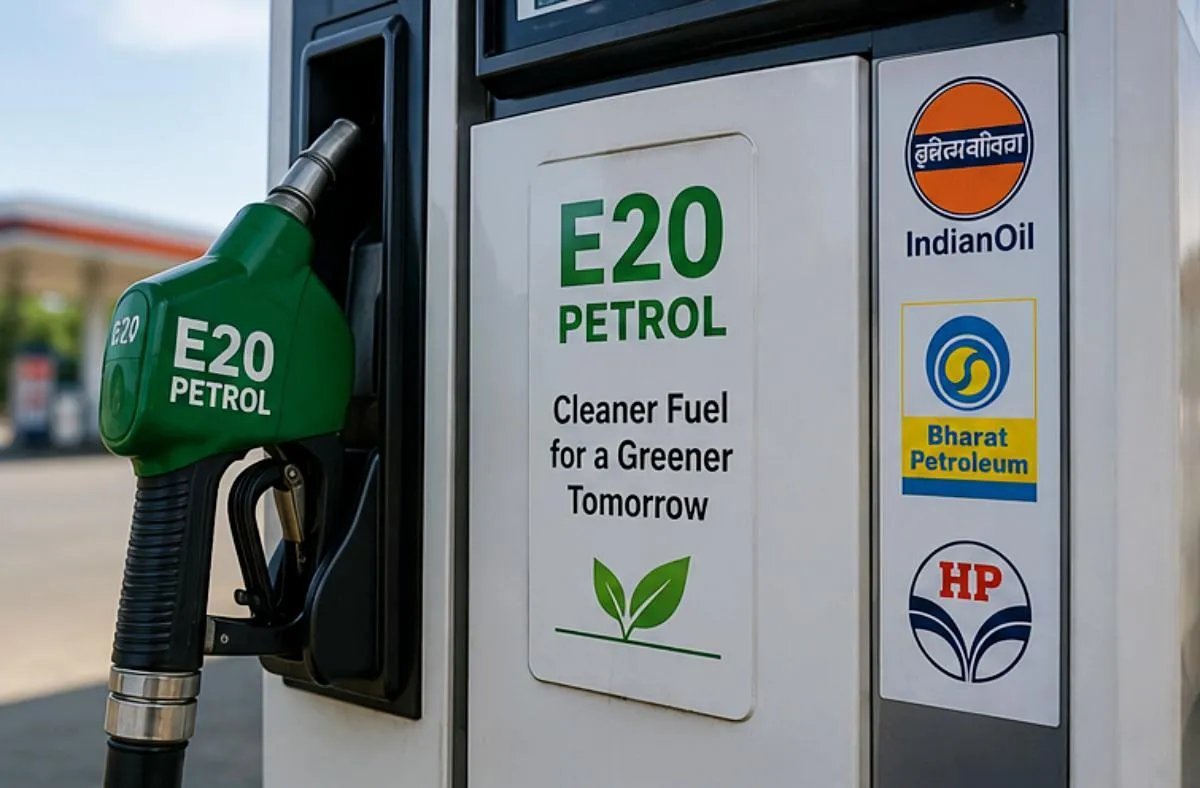
There has been a lot of talk recently about India’s E20 fuel and its export to our neighbor, Bhutan. News reports started spreading that Bhutan had rejected a proposal from India to supply this ethanol-blended petrol. However, the Indian government has stepped in to clear the air. The Ministry of Petroleum and Natural Gas officially stated that these reports are incorrect. They clarified that no offer to export E20 fuel to Bhutan has been made, nor has any such proposal been created by Indian Oil Marketing Companies.
Why the confusion started
The confusion began when a report surfaced claiming that Bhutan asked India to keep sending standard petrol instead of the new ethanol blend. According to these rumors, Bhutan was worried that their older fuel storage tanks could not handle the new fuel. They were also concerned about how the fuel would perform on their steep, mountainous roads. Many people often look for clarity on such international topics, much like how others research complex issues such as H1B visa data.
Infrastructure and performance concerns
The concerns raised in the reports about Bhutan’s infrastructure were specific. Because many storage tanks in Bhutan are located underground, there is a risk of water seeping into them. Ethanol can absorb water, which might lead to contamination and poor fuel quality. Furthermore, driving in the Himalayas requires cars to have maximum power. There has been a ongoing debate about whether ethanol-blended fuel can provide the same consistent performance as pure petrol on high-altitude, steep terrain.
The E20 debate in India
It is important to remember that the shift to E20, which is a mix of 20% ethanol and 80% petrol, is a major change in India. While the government says it improves engine performance, many vehicle owners are worried. Drivers with cars made before 2023 have complained about lower fuel efficiency and higher maintenance costs. Much like the public scrutiny seen during the recent NEET UG exam controversy, any change in government policy regarding fuel or national systems often leads to widespread public discussion and debate.
There’s more to life than simply increasing its speed.
By Udaipur Freelancer
Relying on official sources
The Indian government has urged the public and the media to rely only on official information provided by the ministry and its authorized oil companies. When it comes to international relations or energy policy, rumors can spread very quickly. It is vital to wait for official press notes before believing reports that might cause unnecessary confusion between friendly nations. As we move forward with green energy initiatives, transparency will remain the most important part of the conversation for both India and its neighbors.
Udaipur Freelancer delivers high-quality web, marketing, and design solutions. We focus on building impactful digital experiences that help your brand succeed in today's market.
















Recommended for you
Must-See Art Exhibitions Around the World This Year
The Revival of Classical Art in a Digital Age
Breaking Down the Elements of a Masterpiece Painting
The Revival of Classical Art in a Digital Age