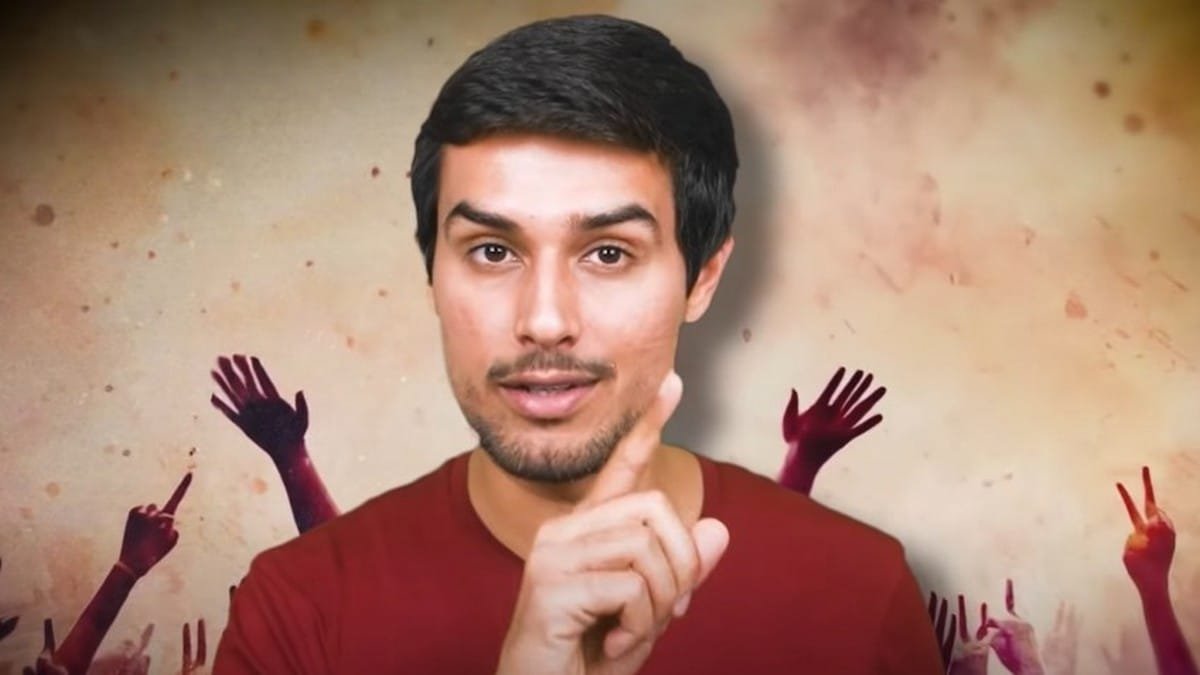
A major legal development has unfolded in India regarding digital content and religious sentiments. The Delhi High Court recently issued a directive to the Grievance Appellate Committee (GAC) concerning a controversial YouTube video uploaded by popular creator Dhruv Rathee. The video, titled 'Can Hindus Eat Beef? | Kerala Story 2 Exposed', has sparked significant debate, leading to court intervention.
The central issue involves claims made by Rathee about Hindu deities, specifically Lord Ram, Sita, and Lord Krishna. The petitioner, advocate Amita Sachdeva, argued that these claims were offensive and hurtful to the majority community. Because of this, the court has given the government's GAC a strict 15-day deadline to decide whether the video should be removed from the platform.
Government Arguments and Platform Responsibility
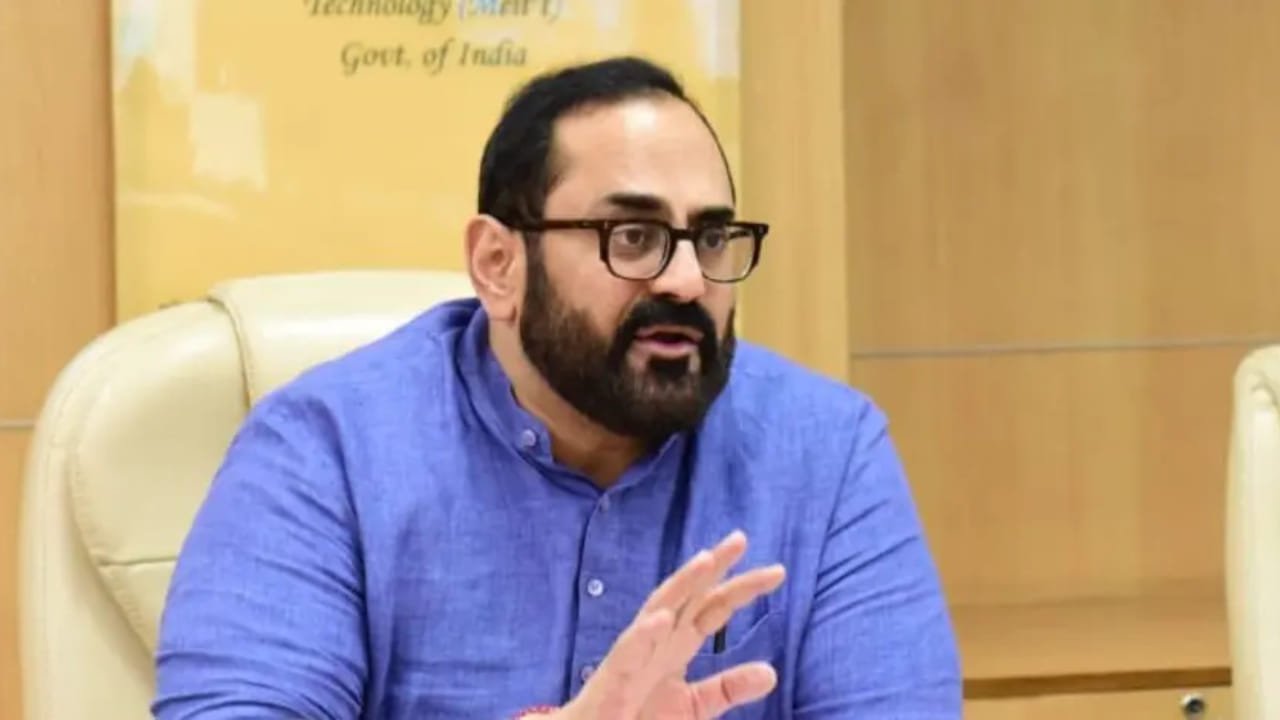
During the hearing, Additional Solicitor General (ASG) Chetan Sharma represented the center's position. He argued that YouTube should have exercised better due diligence before allowing such content to remain active. The government side labeled the video as 'harmful and divisive,' suggesting that it could cause social discord. If you are interested in how global corporations manage their internal workforce during controversies, you might find this information about Google offers voluntary exit packages to unhappy employees insightful for understanding how big tech companies handle staff and policy shifts.
The government requested that Google take immediate action. They argued that the platform has a responsibility to ensure that material hurting the sentiments of a large population is not promoted. Meanwhile, Google’s counsel stated that they have already submitted a response to the petitioner and that an official appeal process before the GAC is already in motion.
The Role of Digital Platforms in India
This case highlights the growing friction between free speech and the regulation of content online. As platforms like YouTube grow, the pressure on them to act as moderators increases. Much like how industries must stay updated on Trumps nuclear inspection claims vs Irans denial to understand international risks, digital platforms must navigate local laws and sentiments to keep their operations running smoothly in diverse markets.
There’s more to life than simply increasing its speed.
By Udaipur Freelancer
Justice Swarana Kanta Sharma, who oversaw the proceedings, made it clear that any non-compliance with the 15-day deadline would be viewed very seriously. The court’s intervention puts the onus on the GAC to evaluate whether the video violates existing community guidelines or Indian laws regarding religious sentiments. This case will likely set a precedent for how future complaints against high-profile digital creators are handled by the Indian government.
As the legal clock ticks, both the digital creator community and the public are waiting to see if the video stays up or is pulled down. The outcome will be a significant indicator of how strictly the authorities plan to monitor digital content for religious sensitivity in the future.
Udaipur Freelancer delivers high-quality web, marketing, and design solutions. We focus on building impactful digital experiences that help your brand succeed in today's market.
















Recommended for you
Must-See Art Exhibitions Around the World This Year
The Revival of Classical Art in a Digital Age
Breaking Down the Elements of a Masterpiece Painting
The Revival of Classical Art in a Digital Age