It is often said that charity begins at home, and that goes for leadership too. When times get tough, people look to their leaders not just for guidance, but for example. Recently, India faced a similar moment, prompting a significant shift from the top.
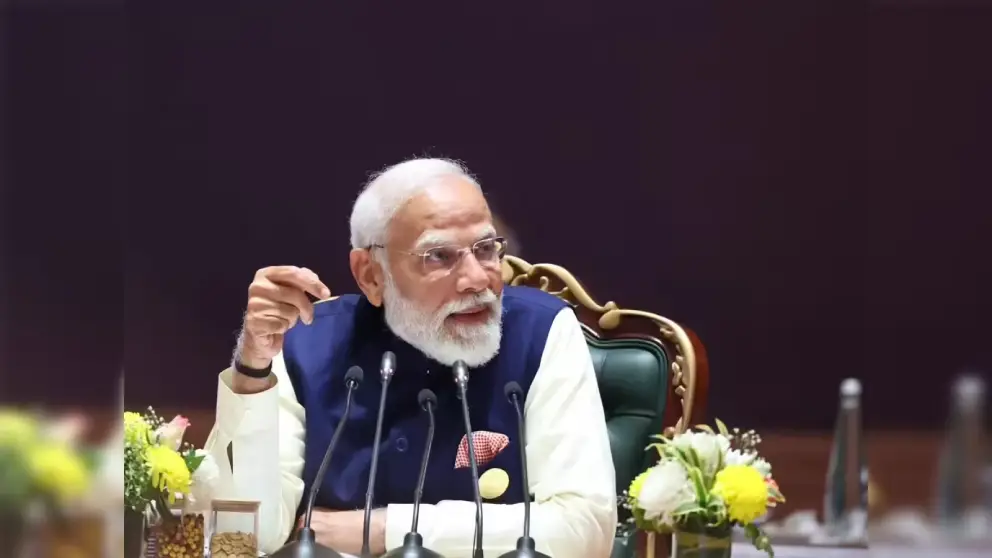
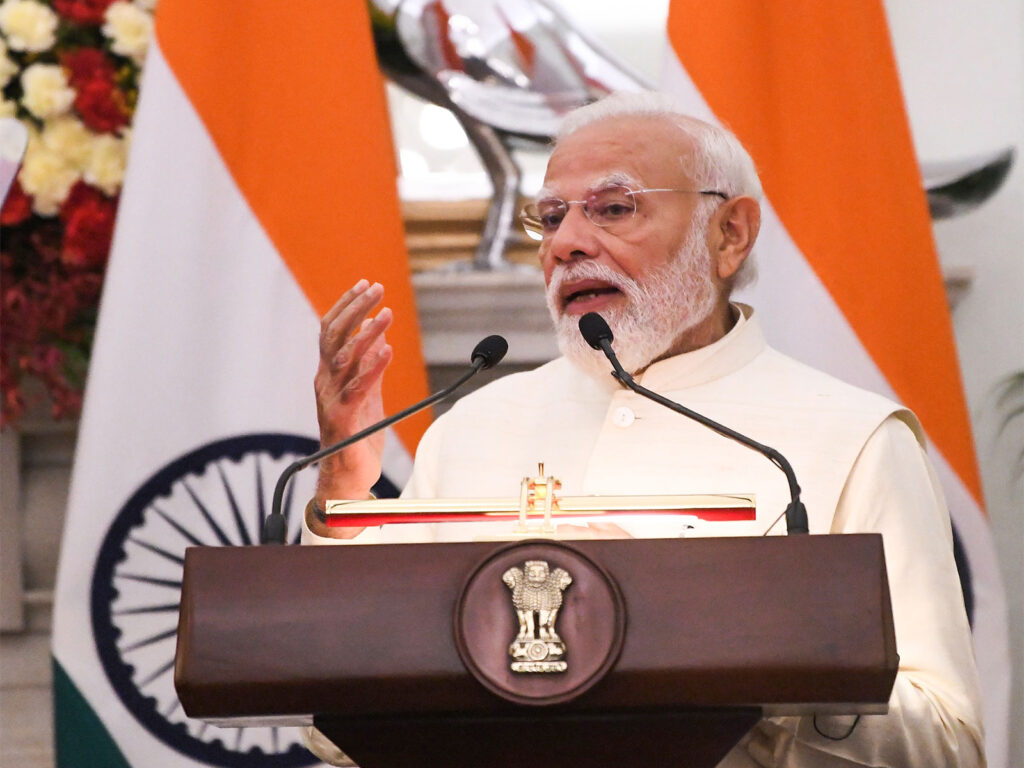
Our Prime Minister, Narendra Modi, appealed to all Indians to embrace restraint. This call came amid serious economic pressures, mainly from the ongoing conflict in Iran. The closure of the Strait of Hormuz, a vital global energy corridor, deeply affected India's oil and LPG supplies.
India relies heavily on oil imports, bringing in over 85% of its crude needs. This makes us the second-largest oil importer in the world. With global supply chains strained, the ripple effects are felt by everyone.
The PM's Austerity Appeal
Other countries like China, Pakistan, and Bangladesh had already started fuel rationing and work-from-home measures. India held off for a while, but after state elections, PM Modi stepped up.
On May 11, he called for a "collective sacrifice." He urged citizens to use public transport more often, revive work-from-home practices to save fuel, and delay gold purchases for a year. He also asked people to avoid foreign holidays and destination weddings to save foreign exchange reserves.
Initial Backlash and Public Outcry
However, the initial reaction was not entirely positive. The opposition quickly pointed out a gap between the PM Modi's appeals and the actions of some ministers. Visuals of extravagant political activities, including large convoys, sparked widespread criticism. One incident really stood out. Madhya Pradesh BJP leader Saubhagya Singh Thakur's massive 200-vehicle convoy went viral online. This immediately caused outrage and highlighted the perceived hypocrisy.
Walking the Talk
But then, things changed. The criticism snowballed, and the ruling party listened. Several BJP-ruled states, along with PM Modi himself, began to "walk the talk." Sources revealed that PM Modi ordered a 50% reduction in his own convoy size. He also encouraged the use of Electric Vehicles. This symbolic move sent a strong message across the country.
There’s more to life than simply increasing its speed.
By Udaipur Freelancer
Union Home Minister Amit Shah also made changes. He was seen traveling with just five cars in his convoy. This is a noticeable reduction from his usual 10 to 11 vehicles. Chief Ministers in states like Uttar Pradesh, Madhya Pradesh, Rajasthan, Bihar, and Delhi quickly followed suit. They issued similar directives, signaling a united front in austerity.
Ministers Lead by Example
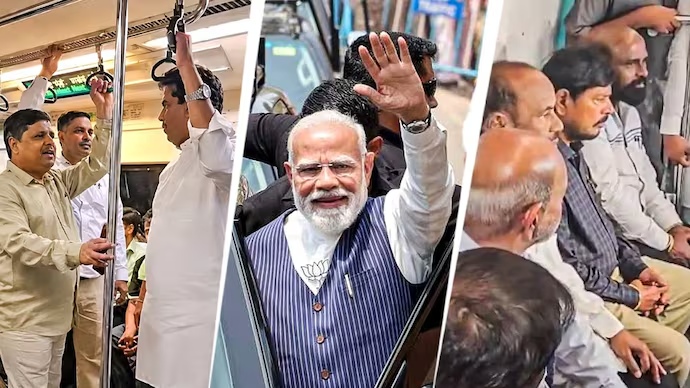
The shift became even more visible with individual actions. Ministers Kapil Mishra and Ramdas Athawale were spotted taking the metro to their offices. This move not only saves fuel but also promotes public transport, making it more accessible for everyone. In Maharashtra, Minister Ashish Shelar cancelled his trip to France for the Cannes Film Festival. This decision highlighted the directive to avoid unnecessary flights and switch to virtual meetings. It shows a commitment to cutting down on non-essential expenses.
Why This Matters
These actions, from convoy cuts to metro rides and cancelled international trips, are more than just cost-saving measures. They are powerful symbols of leadership. During challenging times, the public needs to see that their leaders are also feeling the pinch and are willing to make sacrifices. This collective effort to cut down on VIP optics sends a clear message. It reinforces the idea that the government is serious about its appeal for "collective sacrifice." It builds trust and shows solidarity with the citizens facing economic pressures.
When leaders embrace simplicity and restraint, it encourages everyone else to do the same. This isn't just about saving money, but about fostering a sense of shared responsibility and national unity during tough economic conditions brought on by global events.
It’s a reminder that true leadership means not just asking others to do something, but being the first to do it yourself. This shift towards austerity and leading by example is a crucial step in navigating India through the current economic headwinds.
Udaipur Freelancer delivers high-quality web, marketing, and design solutions. We focus on building impactful digital experiences that help your brand succeed in today's market.













Recommended for you
Must-See Art Exhibitions Around the World This Year
The Revival of Classical Art in a Digital Age
Breaking Down the Elements of a Masterpiece Painting
The Revival of Classical Art in a Digital Age