NASA is currently standing on the precipice of a new era in space exploration as it prepares for Artemis III, a mission that represents humanity’s monumental return to the lunar surface for the first time in over fifty years. Unlike the Apollo missions of the past, Artemis III is not merely a brief visit but a foundational step toward a long-term presence on the Moon and an eventual journey to Mars. This mission is set to make history by landing the first woman and the first person of color on the lunar surface, symbolizing a more inclusive and global approach to exploring the cosmos. The primary target for this voyage is the lunar South Pole, a region characterized by its rugged terrain and permanently shadowed craters that have remained untouched for billions of years. By venturing into this uncharted frontier, NASA aims to unlock secrets about the early solar system and demonstrate the technological prowess required to sustain human life in the most extreme environments imaginable.
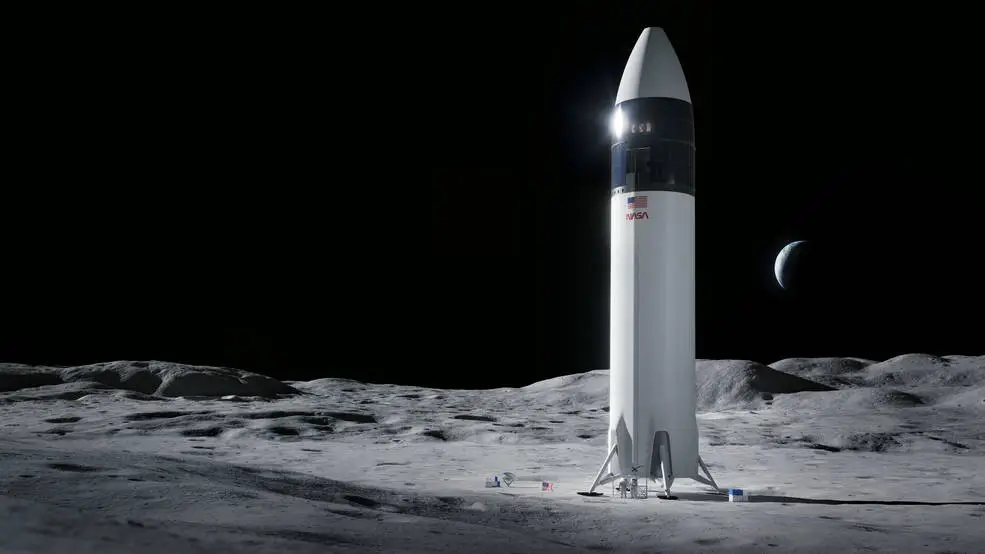
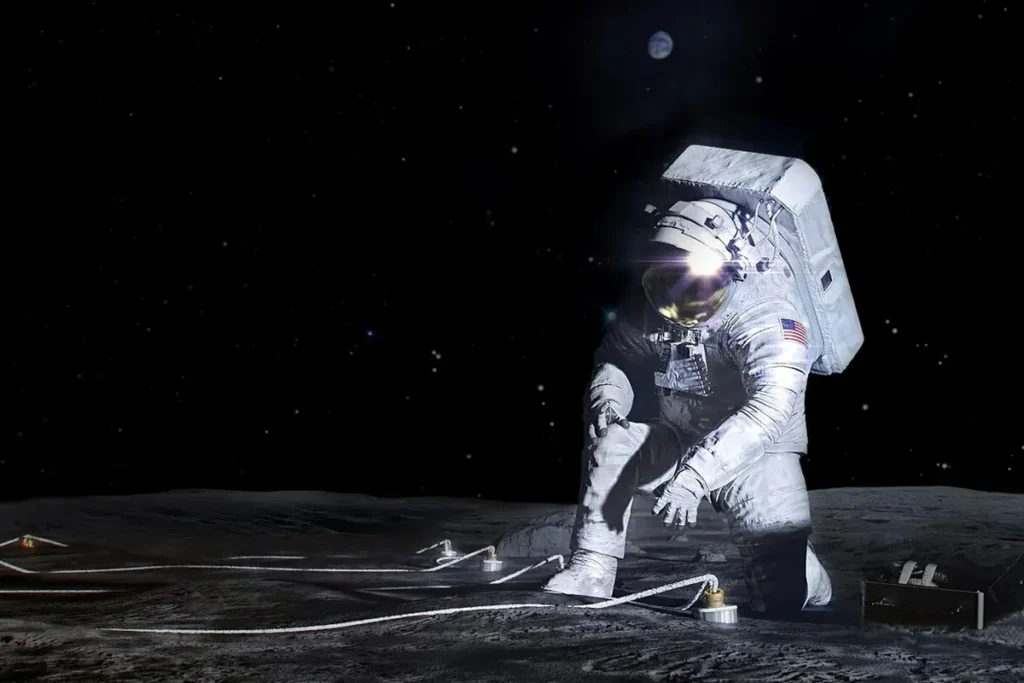
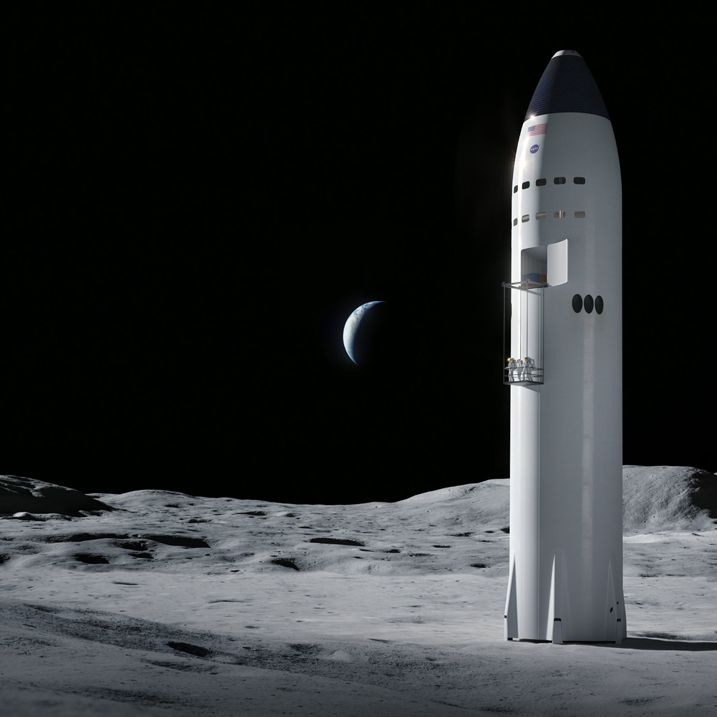
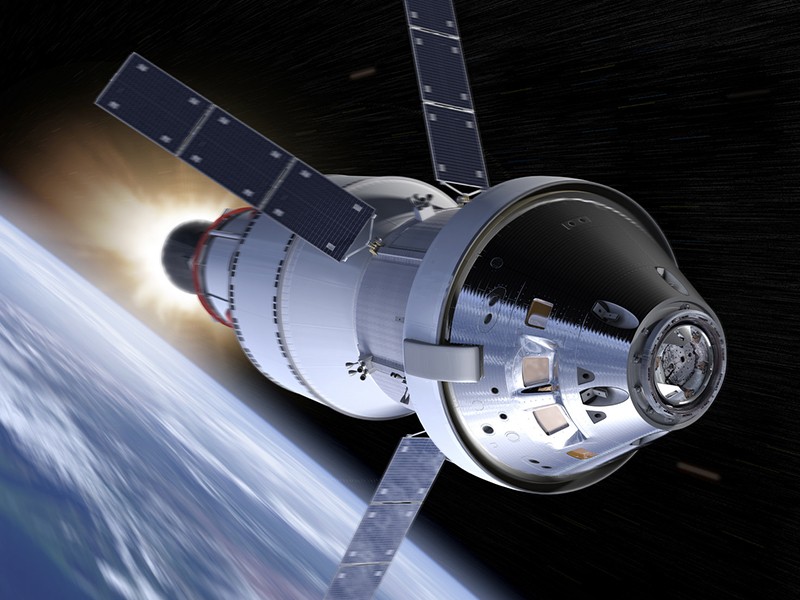
The selection of the lunar South Pole as the landing site is a strategic masterstroke driven by the hunt for water ice, which is believed to be trapped within the deep shadows of the polar craters. This ice is far more than a scientific curiosity. it is a critical resource that could be harvested to produce oxygen for breathing and hydrogen for rocket fuel, effectively turning the Moon into a cosmic refueling station for deep-space missions. To reach this challenging destination, NASA is utilizing its most powerful rocket to date, the Space Launch System (SLS), which will propel the Orion spacecraft toward lunar orbit. Once there, two brave astronauts will transfer to SpaceX’s Starship Human Landing System to descend to the surface, where they will conduct a series of high-priority scientific experiments and geological surveys. This mission is a testament to the power of international and commercial partnerships, blending cutting-edge engineering with a shared vision of expanding the boundaries of human knowledge and capability.
As the countdown to Artemis III continues, the excitement within the scientific community and the general public is palpable, as this mission serves as a bridge between the legends of the past and the possibilities of the future. The data gathered during the astronauts' week-long stay on the lunar surface will provide invaluable insights into how humans can live and work on another world, testing the habitats, life-support systems, and mobility tools needed for permanent lunar bases. Beyond the technical achievements, Artemis III serves as a powerful source of inspiration for a new generation of scientists, engineers, and dreamers the Artemis Generation who will look up at the Moon and know that it is no longer just a distant light in the sky, but a vibrant laboratory and a stepping stone to the stars. This historic landing marks the beginning of a sustained lunar presence that will forever change our perspective on Earth’s place in the universe.
There’s more to life than simply increasing its speed.
By Udaipur Freelancer















Recommended for you
Must-See Art Exhibitions Around the World This Year
The Revival of Classical Art in a Digital Age
Breaking Down the Elements of a Masterpiece Painting
The Revival of Classical Art in a Digital Age