Hey everyone, welcome back to the blog. Today, we need to talk about something massive brewing in global news that could seriously affect all of our lives from the price of gas to the cost of our everyday gadgets.
If you’ve been following the news, you probably know that the Strait of Hormuz is currently choked up due to the ongoing war involving Iran. But just when we thought the global shipping situation couldn't get any more stressful, the focus has suddenly shifted to another crucial waterway. The Yemen-based Houthi militant group has just issued a massive warning, stating that their fingers are on the trigger.
If they join the conflict, it could shake yet another vital artery of global trade. Let’s break down exactly what is happening, why it matters, and how it might impact the world.
The Calm Before the Storm?
For a while, things were surprisingly quiet on the Yemen front. Global news outlets were scratching their heads, asking, "Will the Houthis join the Iran war?" This was especially pressing as Iran kept retaliating against joint American and Israeli strikes.
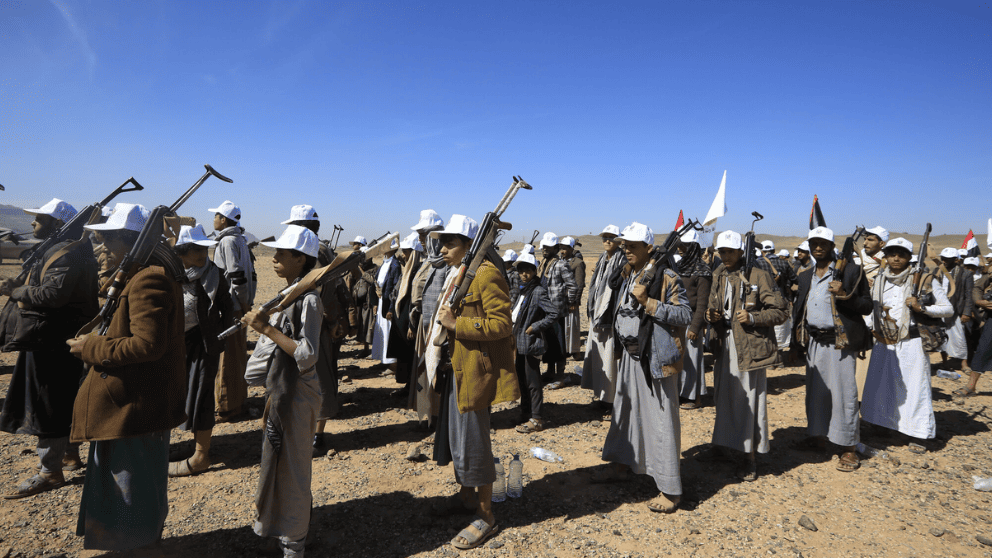
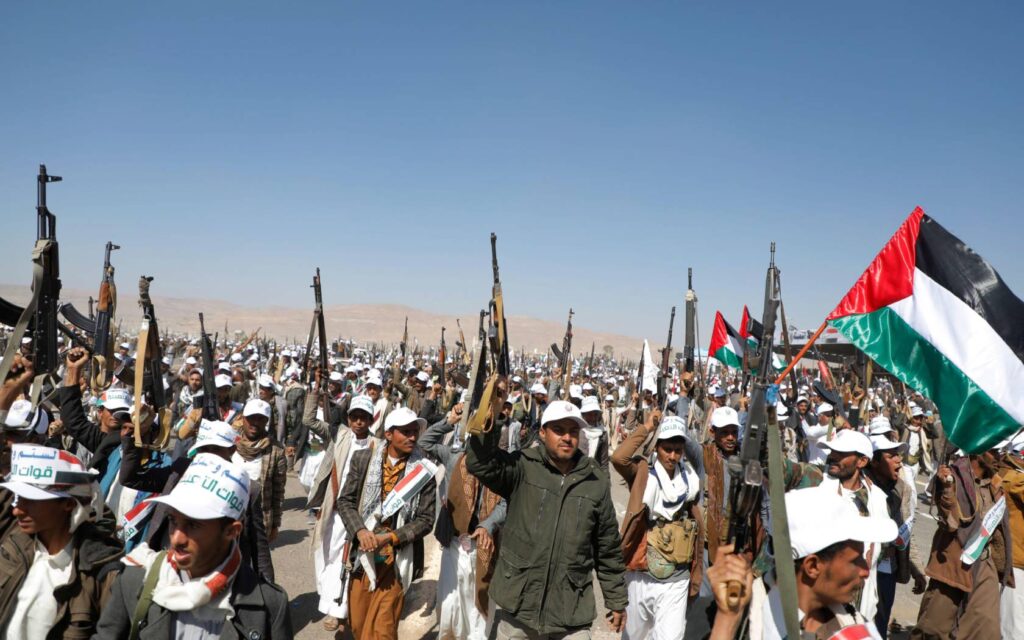
Well, the Houthis who are backed, armed, and nurtured by Tehran have broken their silence. They recently announced that they are "ready to respond at any moment should developments warrant it."
According to Iran's semi-official Fars News Agency, the Houthis and other resistance groups are now on full alert. They are warning that their involvement could lead to the complete closure of the Bab el-Mandeb strait.
As Lebanese-Australian podcast host Mario Nawfal perfectly summed it up while reacting to the Houthi threat: "The war's about to get wider and uglier."
What Exactly is the Bab el-Mandeb Strait?
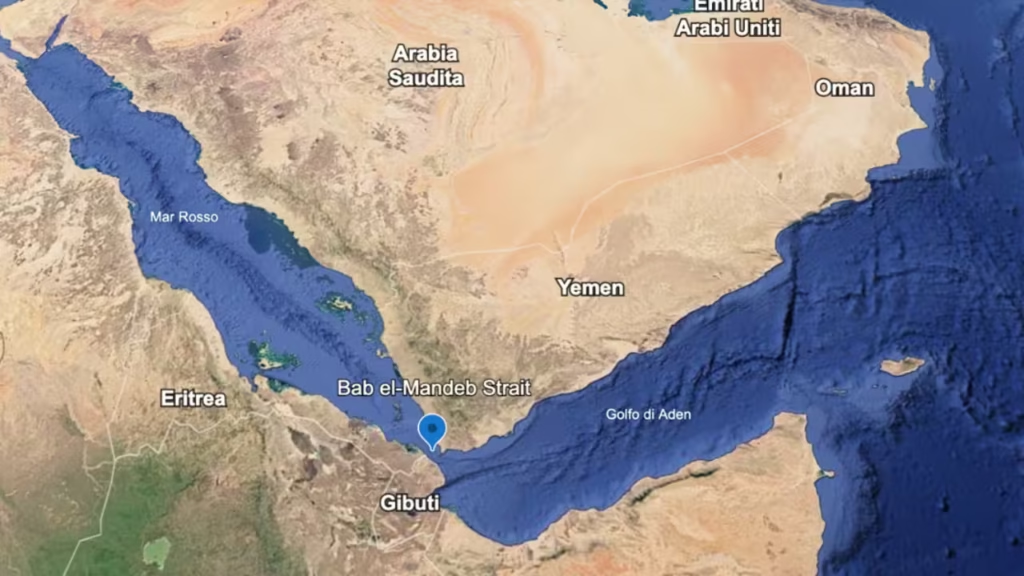
Unless you are a geography buff, you might not know what this strait is. 'Bab el-Mandeb' translates roughly to the 'Gate of Tears', which feels pretty fitting right now.
It is a remarkably narrow passage only about 29 kilometers wide at its narrowest point located at the southern tip of the Arabian Peninsula. It separates Yemen from Djibouti and Eritrea near the Horn of Africa.
Why is it so important? Because it links the Red Sea to the Indian Ocean (via the Gulf of Aden) and, by extension, the Mediterranean Sea to the Atlantic Ocean. Any ship traveling between Europe and Asia through the famous Suez Canal absolutely must pass through the Bab el-Mandeb.
Roughly 12% of all global trade, 10% of seaborne oil, and massive amounts of liquefied natural gas (LNG) pass through this narrow corridor. Back in 2023 alone, the US Department of Energy reported that around 8.8 million barrels of oil per day moved through this route.
What Happens if They Actually Close It?
If the Houthis block the Bab el-Mandeb while the Strait of Hormuz is already choked, the global economy is going to face a historic shock. Together, these two routes carry about 30% of the world's seaborne oil and handle a massive chunk of maritime trade between Asia and Europe.
If ships can't use the Suez Canal, they have to take a massive detour around the Cape of Good Hope, located at the very bottom of Africa.
The Normal Route: A typical Asia-to-Europe trip via the Suez Canal covers about 18,520 km and takes roughly 27 days.
The Detour Route: Going around Africa increases the journey to 25,000 km and takes anywhere from 37 to 43 days.
That adds 10 to 15 extra days to a journey, resulting in billions in extra costs. Shipping giants are already getting nervous. On March 1st, Maersk temporarily paused some transits through the Red Sea, citing the deteriorating security situation and stating the route could soon become completely unsafe.
Who Are the Houthis and Why Are They Doing This?
The Houthis are part of what Tehran calls the 'Axis of Resistance' (and what Israelis call the Axis of Evil). This alliance includes Hezbollah in Lebanon, Hamas in Gaza, militias in Iraq, and the Houthis in Yemen.
There’s more to life than simply increasing its speed.
By Udaipur Freelancer
While Hezbollah and Hamas have been battered by years of fighting with Israel and have somewhat limited ability to escalate right now, the Houthis have been largely conserving their firepower.
Their leader, Abdul Malik al-Houthi, has warned that if countries like Saudi Arabia join the fight against Iran, or if attacks on Tehran get worse, his forces will start targeting shipping lanes.
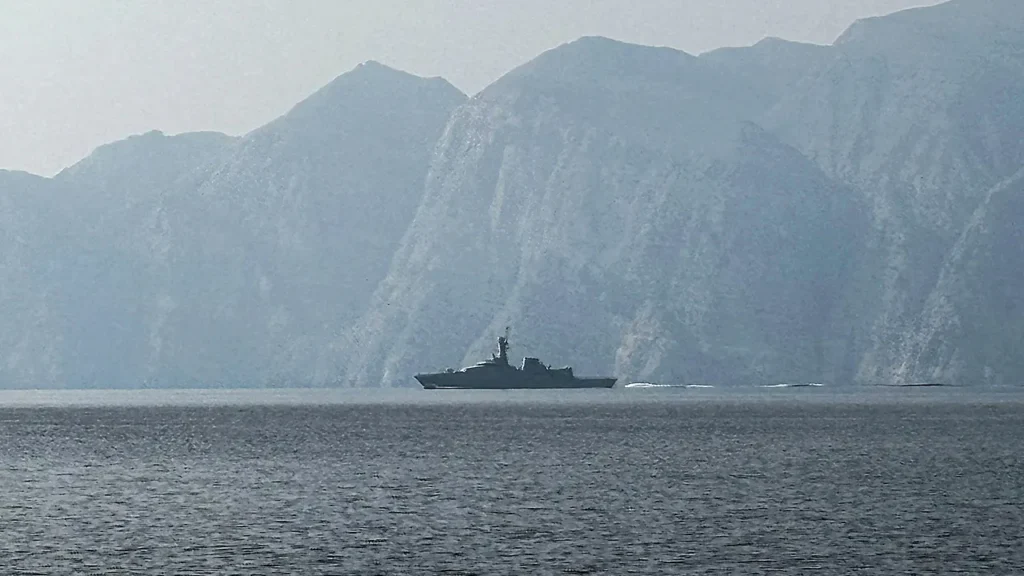
And this isn't an empty threat. The Houthis have controlled Yemen's Red Sea coastline since they took over the capital, Sanaa, in 2014. During the Gaza war in 2023, they launched over 100 attacks on commercial vessels. They don't just use standard weapons, they rely on swarm tactics mixing drones, anti-ship missiles, and fast-attack boats. Western officials also believe they get direct intelligence and targeting info from Iranian surveillance ships.
The Three-Stage Masterplan
Experts believe this isn't random: it's highly calculated. Youssef Cherif, Director of the Columbia Global Centers in Tunis, calls this part of Iran's three-stage strategy:
First, Iran attacks and blocks the Strait of Hormuz.
Second, attacks from Lebanon distract Israel.
Third, the Houthis step in to block the Bab el-Mandeb.
Mohamed Al Dah, a UAE-based investor and strategic expert, wrote in the Global Security Review that the Houthis love using the Red Sea for three main reasons:
Geographic Leverage: The location is simply irreplaceable for global trade.
Asymmetric Costs: Houthi drones and missiles are incredibly cheap to make, but Western naval deployments and interceptor missiles are crazy expensive.
Global Headlines: Attacks in the Red Sea guarantee the world pays attention, giving the Houthis massive political signaling value.
The Economic Fallout: Brace Your Wallets
If both straits close, things could get bad really bad.
The disruption in Hormuz has already messed with oil exports and caused prices to surge. Crude oil has jumped by more than 20% in just two weeks, hovering near the $100 mark. If the Bab el-Mandeb closes too, energy prices will go through the roof. Mario Nawfal posted that if this happens, the Red Sea becomes a no-go zone, causing global trade to choke even harder and prices to explode.
But it's not just gas. The knock-on effects will ripple through every global supply chain. We are talking about severe delays and higher shipping costs for electronics, machinery, food products, and basic consumer goods moving between Asia and Europe. Plus, sailing all the way around Africa means insurance premiums for ships will skyrocket, and some routes might literally become uninsurable. Cargo flow would slow to a crawl.
Israel's Strategic Counter-Move
To add another layer of complexity to this modern war, Israel is making moves to counter the threat. Back in December 2025, Israel recognized the independence of Somaliland, a breakaway region of Somalia.
According to Bloomberg, Jerusalem is actively pursuing a military base near Berbera. This would give them a strategic foothold across the Gulf of Aden from Yemen to gather intelligence and launch strikes against the Houthis. If this deal goes all the way through, it expands the geographical map of the war right into the Horn of Africa.
The Bottom Line
We are currently in the third week of the Iran war, and things that seemed like remote possibilities just a week ago are now happening right in front of us. If both of these major chokepoints the Strait of Hormuz and the Bab el-Mandeb are closed at the same time, the global economy will be forced to navigate one of the most severe maritime disruptions in modern human history.
I’ll keep following this story and updating you guys as it develops. Keep an eye on the news, and maybe hold off on ordering anything from overseas right now!
Let me know what you guys think in the comments below. Do you think the shipping routes will stay open, or are we headed for a global supply chain freeze?
Udaipur Freelancer delivers high-quality web, marketing, and design solutions. We focus on building impactful digital experiences that help your brand succeed in today's market.














Recommended for you
Must-See Art Exhibitions Around the World This Year
The Revival of Classical Art in a Digital Age
Breaking Down the Elements of a Masterpiece Painting
The Revival of Classical Art in a Digital Age