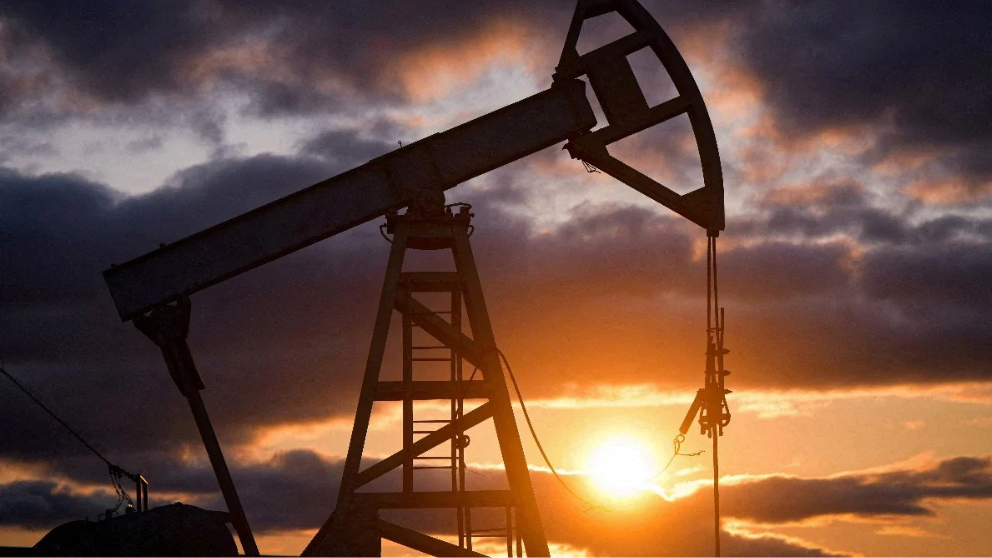
Hey everyone! Welcome back to the blog. Today, we need to talk about something that is making headlines all over the world and directly affects our daily lives: oil and petrol.
If you have been watching the news lately, you probably know that things are getting pretty tense in the Middle East right now. Because that region produces a massive amount of the world’s oil, whenever there is trouble there, the rest of the world gets a little bit nervous about fuel supplies.
But before you rush out to fill up your car or bike in a panic, take a deep breath. The Indian government has shared some very reassuring news, but they are also staying highly alert. Let’s break down exactly what is happening, what it means for our country, and what it means for your wallet, in simple terms.
The Big News: We Have a 50-Day Safety Net
The most important thing you need to know right now is that India is not running out of fuel anytime soon. Government sources have officially confirmed that our country currently has enough crude oil and refined petroleum products stockpiled to last for exactly 50 days.
How does that break down? Well, we have 25 days' worth of raw, unrefined crude oil sitting safe and sound. On top of that, we have another 25 days' worth of petroleum products that have already been refined and are ready to go.
However, the government isn't just sitting back and relaxing. Because the situation in the Middle East is getting worse, officials are actively looking for alternative countries to buy more crude oil, LPG (cooking gas), and LNG from. They want to make sure we have backup plans for our backup plans.
Why is Everyone Worried? The Trouble in the Middle East
So, why are we suddenly looking for new places to buy oil? It all comes down to a very narrow, very important body of water called the Strait of Hormuz. A huge chunk of the world's oil travels through this specific waterway on massive ships.
Recently, Iran’s Islamic Revolutionary Guard Corps (IRGC) made a bold statement. They announced that the Strait of Hormuz is now closed to shipping traffic. Even scarier, Iranian state media warned that any ship trying to pass through this key waterway would literally be set on fire.
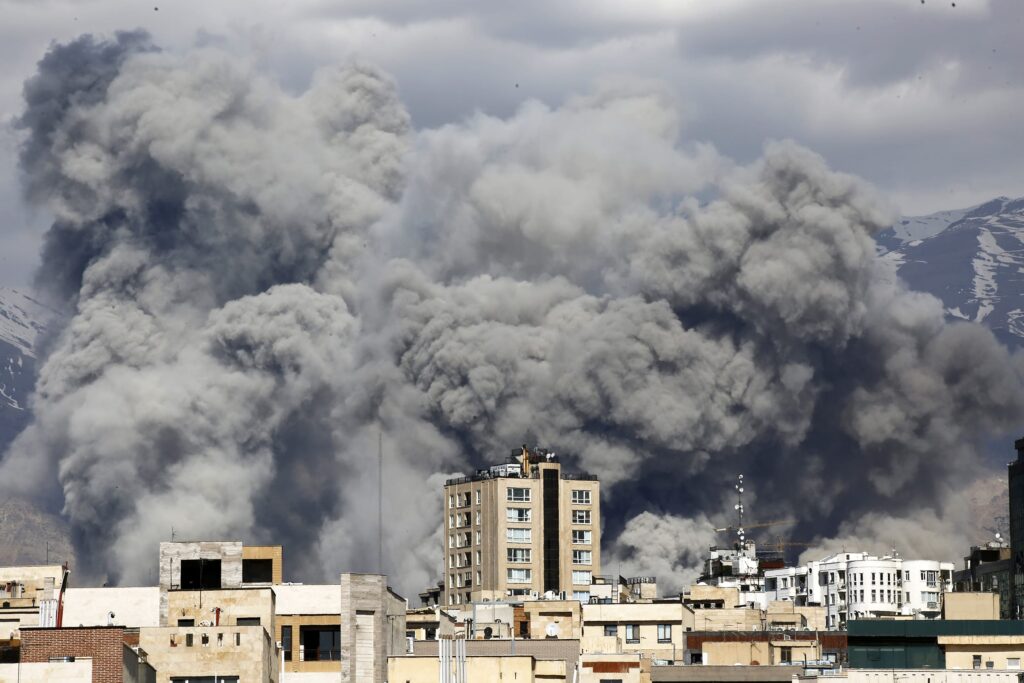
This is a massive step up in the ongoing conflict happening right now involving Iran on one side, and Israel and the United States on the other. Just on Monday, the US and Israel expanded their air operations against Iran, and Israel also carried out attacks in Lebanon. In return, Iran launched strikes against energy facilities in Gulf countries and started targeting the oil tankers trying to move through the Strait of Hormuz.
The Shipping Nightmare
Because of all these threats and attacks, moving oil through this narrow passage has become incredibly dangerous.
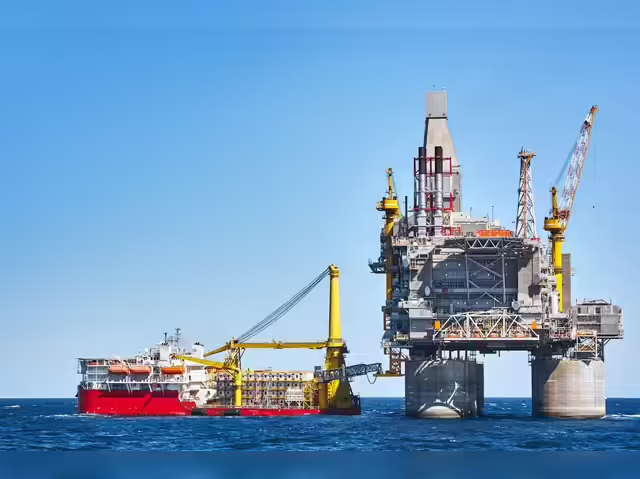
As a result, many big oil tankers and container ships are completely avoiding the route. To make matters worse, insurance companies are canceling their coverage for ships that try to operate in that area. If a ship can't get insurance, it can't sail. This is making it incredibly hard to get oil out of the region, and it is causing shipping costs for oil and gas to jump up sharply.
What is Happening to Global Oil Prices?
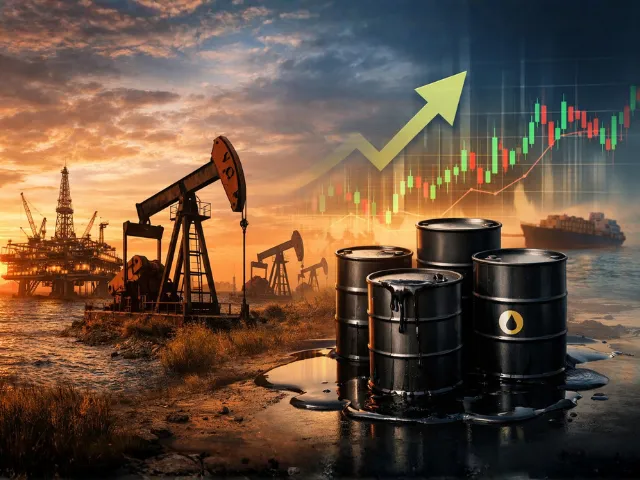
As you might guess, when it gets hard to transport oil, the price of oil goes up. Global oil prices have gone up for three days straight. Traders who buy and sell oil are very worried that the global supply is going to be seriously disrupted.
Let's look at the numbers:
There’s more to life than simply increasing its speed.
By Udaipur Freelancer
Brent Crude: This is the major global benchmark for oil. It recently traded at $79.44 for a barrel (which is an increase of $1.70, or 2.2%). Just a bit earlier, it had actually spiked all the way up to $82.37, which is the highest it has been since January 2024!
US West Texas Intermediate (WTI): This is another major oil benchmark. It went up by $1.11 (or 1.4%) to reach $76.40 a barrel. Before cooling down a little, it had actually touched its highest level since June 2024.
How Exploding Crude Prices Could Affect India
This is where it gets real for us. The news report shared some really interesting data about how rising global oil prices affect the Indian economy.
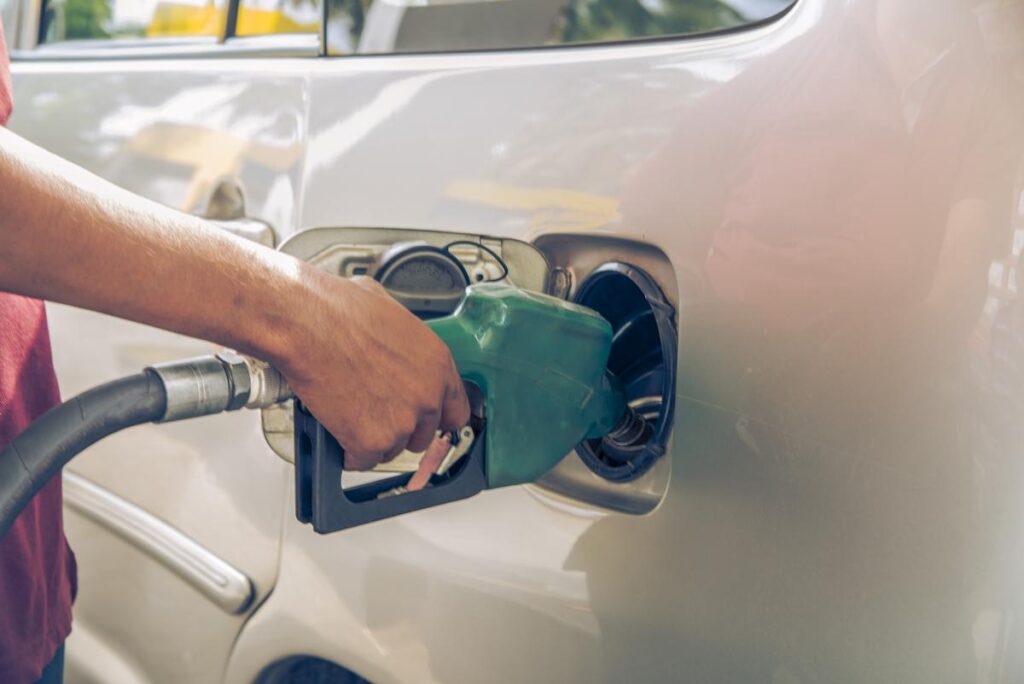
The Petrol Pump Impact: For every single $1 increase in the price of a barrel of Brent crude oil, the price of petrol and diesel in India could technically rise by INR0.55 per litre.
The Economy Impact: If the price of a barrel jumps by $10, things get tougher. Retail inflation (the cost of everyday goods) goes up by 0.35%. Wholesale inflation jumps by 1.3%. Our GDP growth could actually drop by 0.2%.
The Government's Dilemma: You might think, "Why doesn't the government just cut taxes on fuel to keep it cheap?" Well, for every INR 1 they cut in fuel excise duty, the government loses INR 150 billion over the year! It is a very tricky balancing act.
The Government's Game Plan: Staying Secure
Despite all this scary news, the government has stepped up to assure citizens that our energy supplies are secure.
Petroleum and Natural Gas Minister Hardeep Singh Puri told the media that India is fully prepared to handle short-term disruptions. Did you know India is a massive player in the oil game? We are currently the world’s third-largest crude oil importer, the fourth-largest refiner, and the fifth-largest exporter of petroleum products. We are a big deal in this market.
Because we are such a big player, the country maintains enough stock of crude oil, petrol, diesel, and aviation turbine fuel (ATF for airplanes) so there is no immediate reason to panic.
Also, India has been very smart over the last few years. We haven't just relied on one place to get our oil. We have diversified our sourcing strategy. Officials noted that a lot of our energy supplies now come through alternative routes and don't even need to pass through the dangerous Strait of Hormuz.
Watching the Situation 24/7
To make absolutely sure nothing goes wrong, the Ministry has set up a special 24/7 control room. This team is constantly tracking fuel supplies and inventory levels across the whole country. Right now, the government describes our stock position as reasonably comfortable.
Authorities have made it crystal clear that protecting the interests of the everyday consumer is their absolute top priority. They are watching the global situation like a hawk. If things get worse, they are ready to introduce phased measures to protect the country from risks.
So, Will Your Fuel Bill Go Up Tomorrow?
Let's get straight to the point: No. The government sources added that there is absolutely no immediate plan to increase the prices of petrol and diesel right now. For the moment, you are very unlikely to see any change when you go to the fuel pump.
However, what happens next month or the month after will heavily depend on how the situation in the Middle East and the Strait of Hormuz develops in the coming days.
For now, we can relax knowing we have a solid 50-day buffer and a government that is actively hunting for new backup supplies.
What are your thoughts on the global oil situation? Let me know in the comments below, and don't forget to share this post to keep your friends and family informed!
Udaipur Freelancer delivers high-quality web, marketing, and design solutions. We focus on building impactful digital experiences that help your brand succeed in today's market.















Recommended for you
Must-See Art Exhibitions Around the World This Year
The Revival of Classical Art in a Digital Age
Breaking Down the Elements of a Masterpiece Painting
The Revival of Classical Art in a Digital Age