Water disputes between neighbor states in India have been going on for many years. Recently, a major statement came from a Tamil Nadu minister. He said that Karnataka can never build a dam at Mekedatu across the Cauvery river. This statement has created a huge debate in political circles and among local communities.
What is the Mekedatu Dam Project?
Mekedatu is a place located along the border of Karnataka and Tamil Nadu. Karnataka wants to build a reservoir at this site on the Cauvery river. The project aims to store water for drinking purposes in the city of Bengaluru and surrounding areas. Karnataka also wants to generate hydroelectric power using this water.
However, Tamil Nadu strongly opposes this plan. Tamil Nadu argues that if Karnataka builds a dam at Mekedatu, it will stop the free flow of water down to Tamil Nadu farmers. The farmers in the Cauvery delta region rely heavily on this river water to grow their crops every year.
Why the Minister Says the Dam Will Never Happen
The Water Resources Minister of Tamil Nadu emphasized that Karnataka cannot build the project without permission. According to river water rules and legal judgments, a upper riparian state cannot build any new structure on an inter-state river without the agreement of the lower riparian states.
The minister explained that the Supreme Court of India gave a final order on the Cauvery river dispute. The court created the Cauvery Water Management Authority to supervise the water distribution. Since Tamil Nadu will not give its consent, the minister believes Karnataka can never legally build the Mekedatu dam.
Political Debates and Inter-State Tension
River water issues always turn into big political battles in India. Leaders from different political parties use these topics to defend their state rights. Just like political news updates such as Bhupesh Baghel's warning on internal party matters show political disagreements, state water disputes highlight deep tensions between state governments.
Karnataka leaders argue that they have the right to store surplus water during monsoon months. They say the reservoir will not reduce the share of water that is meant for Tamil Nadu. But Tamil Nadu leaders do not trust these claims. They fear that during dry periods, Karnataka might hold back water, leaving Tamil Nadu farmers with nothing.
Impact on Farmers and Local People
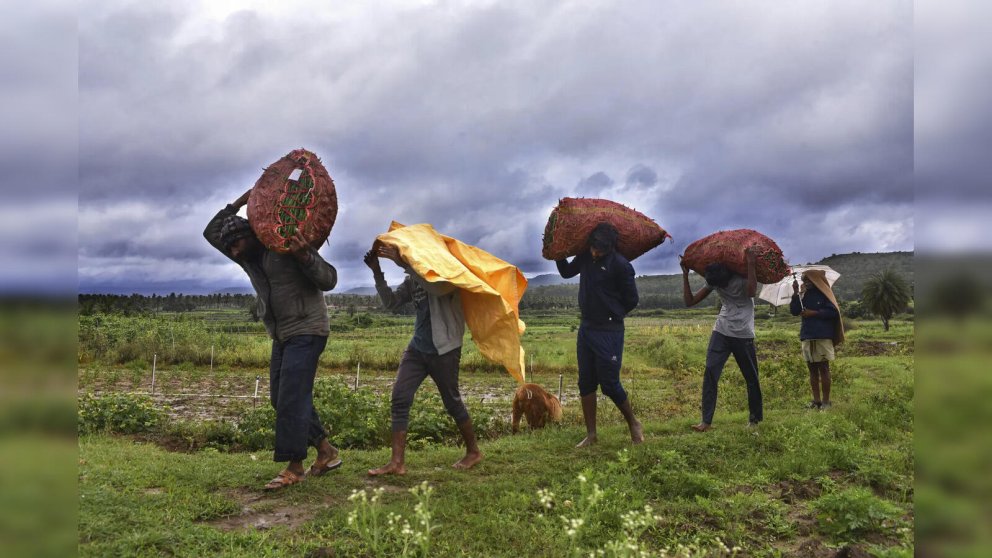
The main sufferers in any water battle are the farmers. In Tamil Nadu, millions of farming families depend on the Cauvery river for growing rice and other crops. If the water supply drops, crops fail, causing financial harm to families.
There’s more to life than simply increasing its speed.
By Udaipur Freelancer
On the other side, Bengaluru is a fast-growing city with a rising population. Drinking water shortage is a real problem for the city. Karnataka leaders feel that the Mekedatu dam is essential to solve drinking water problems for millions of city dwellers.
Role of the Central Government and Law
The central government plays an important role in managing inter-state river issues. Official bodies and administrative heads must carefully evaluate projects before granting clearance. Similar to how administrative decisions are made across the country—such as when Dinesh Sharma was appointed Andaman Nicobar Lieutenant Governor—the Central Water Commission must review environmental and legal rules before approving any dam proposal.
Without environmental clearance and approval from the Cauvery Management Authority, Karnataka cannot start construction work. Tamil Nadu has already taken legal steps to stop any preliminary work from starting.
What Lies Ahead for the Mekedatu Row?
The argument over Mekedatu is far from over. Karnataka will likely continue pushing for approvals in national meetings. At the same time, Tamil Nadu will keep opposing it strongly in court and in political forums.
For a permanent solution, both states need to talk peacefully and follow the rules laid down by the Supreme Court. Ensuring fair water distribution while keeping ecological balance is the only way forward for peace between Karnataka and Tamil Nadu.
Udaipur Freelancer delivers high-quality web, marketing, and design solutions. We focus on building impactful digital experiences that help your brand succeed in today's market.










Recommended for you
Must-See Art Exhibitions Around the World This Year
The Revival of Classical Art in a Digital Age
Breaking Down the Elements of a Masterpiece Painting
The Revival of Classical Art in a Digital Age