In the vast landscape of Sanatana Dharma, Lord Shiva is often hailed as Ashutosh the one who is easily pleased. He is the most accessible of deities, a god who lives in cremation grounds, wears ash, and blesses his devotees without complex conditions.
Yet, as you journey through the ancient landscapes of India, you will encounter legendary Shiva temples where a clear boundary is maintained: devotees are strictly prohibited from touching the Shivling.
To a modern observer, this might feel like an unnecessary restriction. Why would a god so close to humanity place boundaries around physical contact? The answer lies not in exclusion, but in ancient ritual science, spiritual discipline, and the preservation of intense energy.
Here are 7 ancient Shiva temples where the no-touch rule transforms a physical visit into a profound spiritual experience.
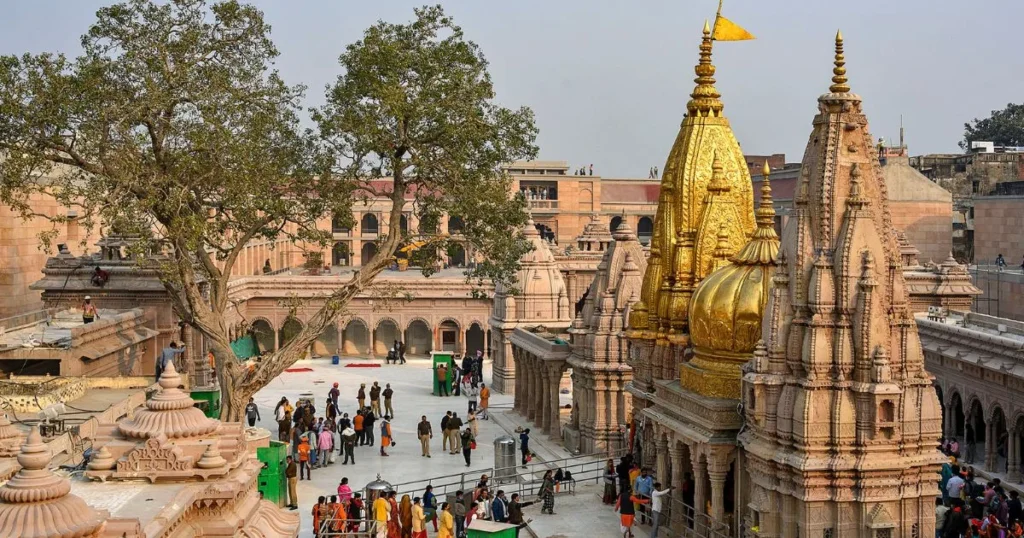
1. Kashi Vishwanath Temple, Varanasi
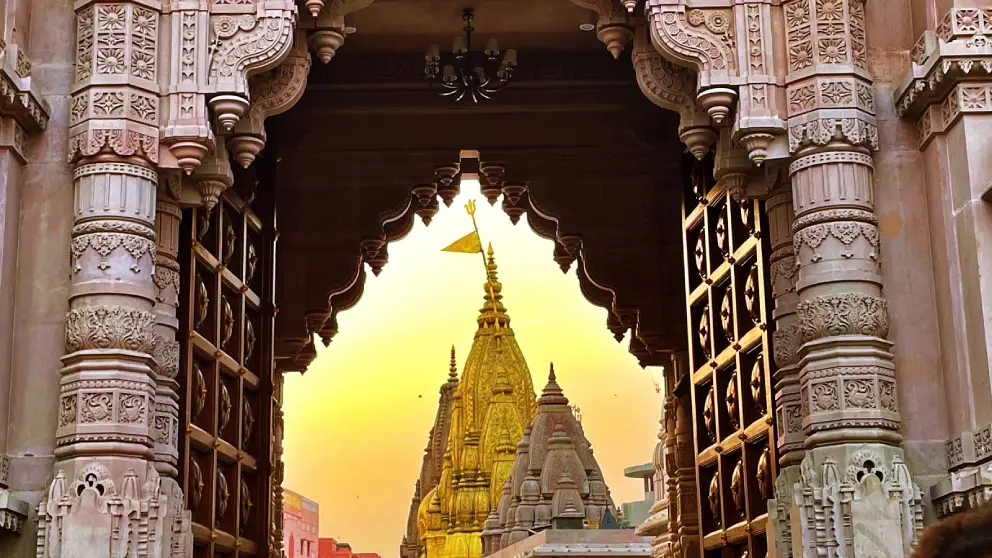
Located in the heart of the world’s oldest living city, Kashi Vishwanath is the spiritual epicenter of the Hindu faith. The Shivling here is believed to grant Moksha (liberation) itself.
While the temple is famous for its narrow lanes and immense crowds, the core sanctum follows strict disciplines. Devotees are generally not permitted to touch the Shivling directly. instead, rituals like Abhishek are performed by trained priests following rigorous schedules. This ensures the sanctum remains a "powerful spiritual core." In Kashi, Shiva is worshipped as the Ultimate Truth, where Darshan emphasizes silence and surrender over physical interaction.
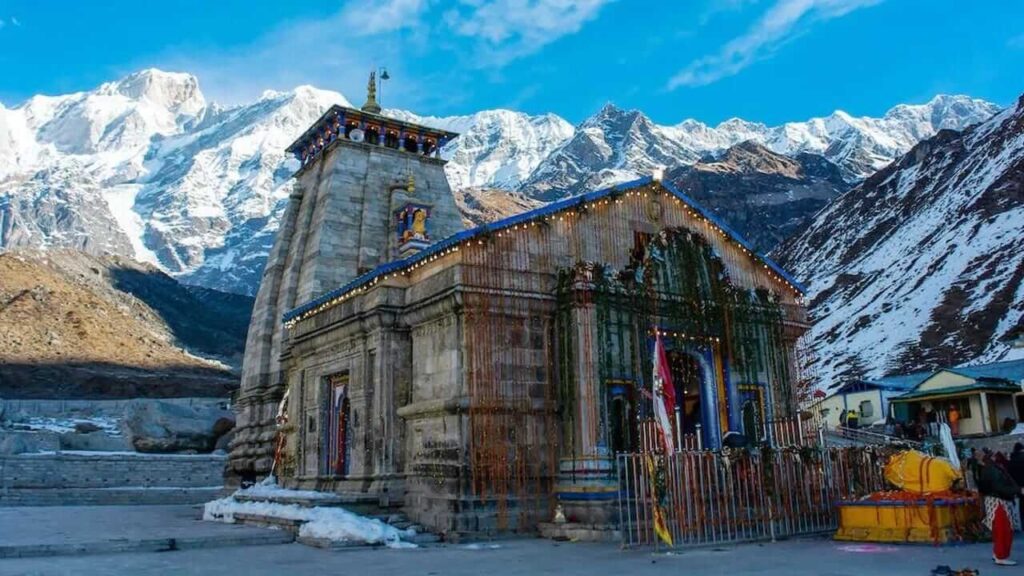
2. Kedarnath Temple, Uttarakhand
Perched high in the Himalayas, Kedarnath is one of the twelve Jyotirlingas and perhaps the most energetically intense. The Shivling here is considered Swayambhu (self-manifested) and deeply charged with the vibrations of centuries of penance.
The restriction on touching the Lingam freely is a mark of respect for this living spiritual force. Physical distance is seen as a way to maintain the purity of the energy field, reminding pilgrims that some things are meant to be felt with the soul, not just the hands.
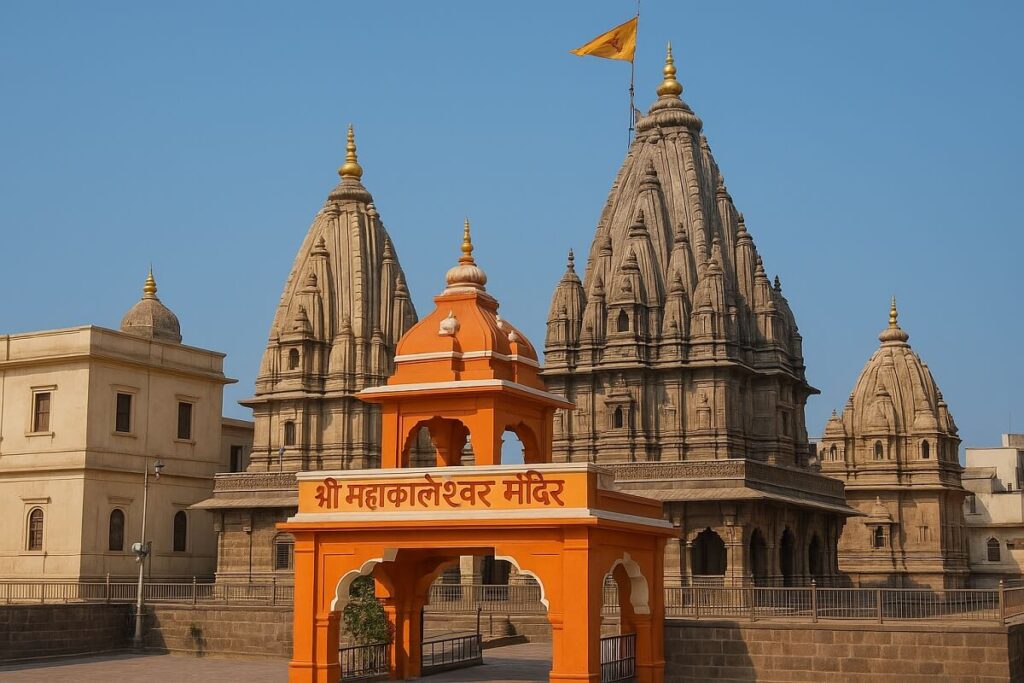
3. Mahakaleshwar Temple, Ujjain
Mahakaleshwar is unique because it is a south-facing (Dakshinmurti) Jyotirlinga, a direction associated with Kal (Time) and dissolution. Here, the priesthood follows a rigid ritual discipline, particularly during the famous Bhasma Aarti.
Devotees are generally not allowed to touch the Shivling during normal Darshan. The philosophy here is profound: Mahakal represents Time itself. One does not grasp or touch time. one stands before it, aware, humbled, and in total awe of the cycle of life and death.
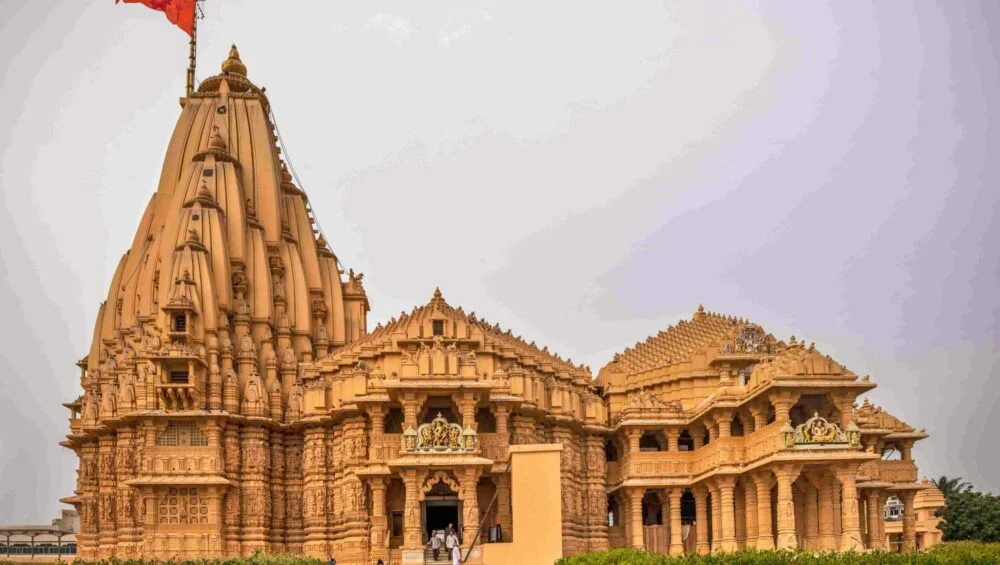
4. Somnath Temple, Gujarat
Known as the First among the Jyotirlingas, Somnath carries immense historical and spiritual weight. Having been destroyed and rebuilt multiple times, it stands as a symbol of eternal resilience.
In Somnath, worship is conducted through visual Darshan and priest-led rituals. The temple follows classical Agamic practices that define physical access. This teaches a quiet lesson: reverence does not always require contact. Sometimes, the act of restraint itself becomes a sacred offering to the Lord.
There’s more to life than simply increasing its speed.
By Udaipur Freelancer
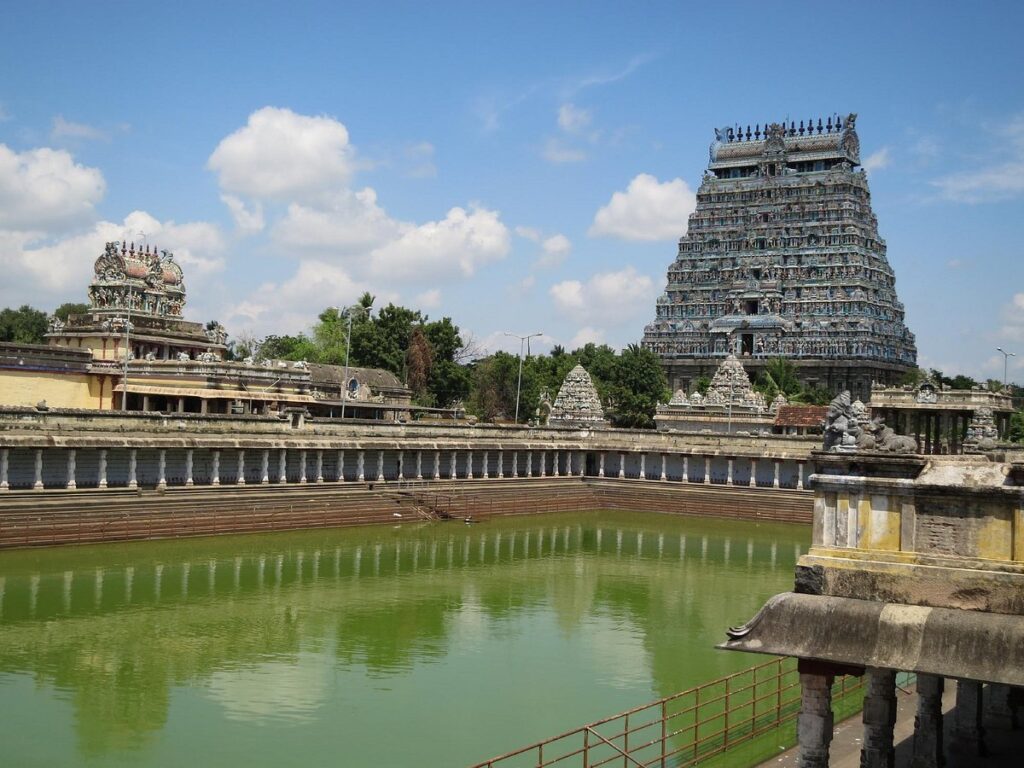
5. Nataraja Temple, Chidambaram
Chidambaram is one of the most philosophically profound temples in India. Here, Shiva is worshipped as Nataraja, the Cosmic Dancer, and also as the Akasha Lingam the formless space itself.
Because the focus is on the Chidambaram Rahasya (the secret of consciousness), the sacred space is not meant for casual physical interaction. Touching is restricted because the goal is inner realization, not outward ritual handling. Shiva is experienced here as an internal awakening.
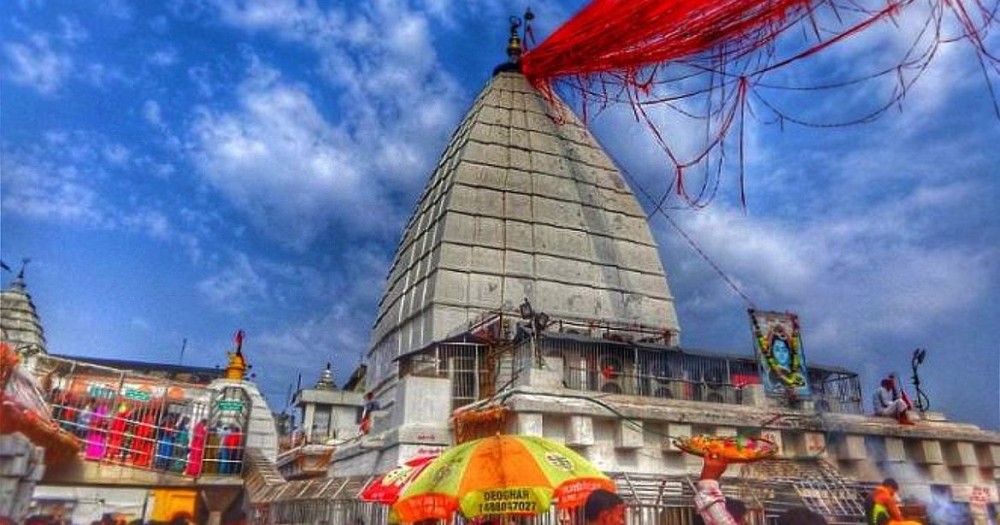
6. Baidyanath Dham, Deoghar
Commonly known as Baba Dham, this Jyotirlinga is associated with healing and the legend of Ravana. While it is a site of deep faith where millions carry Ganga water to offer, direct physical contact with the Shivling is strictly limited and controlled.
The rituals are performed by priests trained in ancient traditions. The underlying belief is that healing flows through faith and total surrender, reminding devotees that spiritual closeness is achieved through the heart, not just through physical proximity.
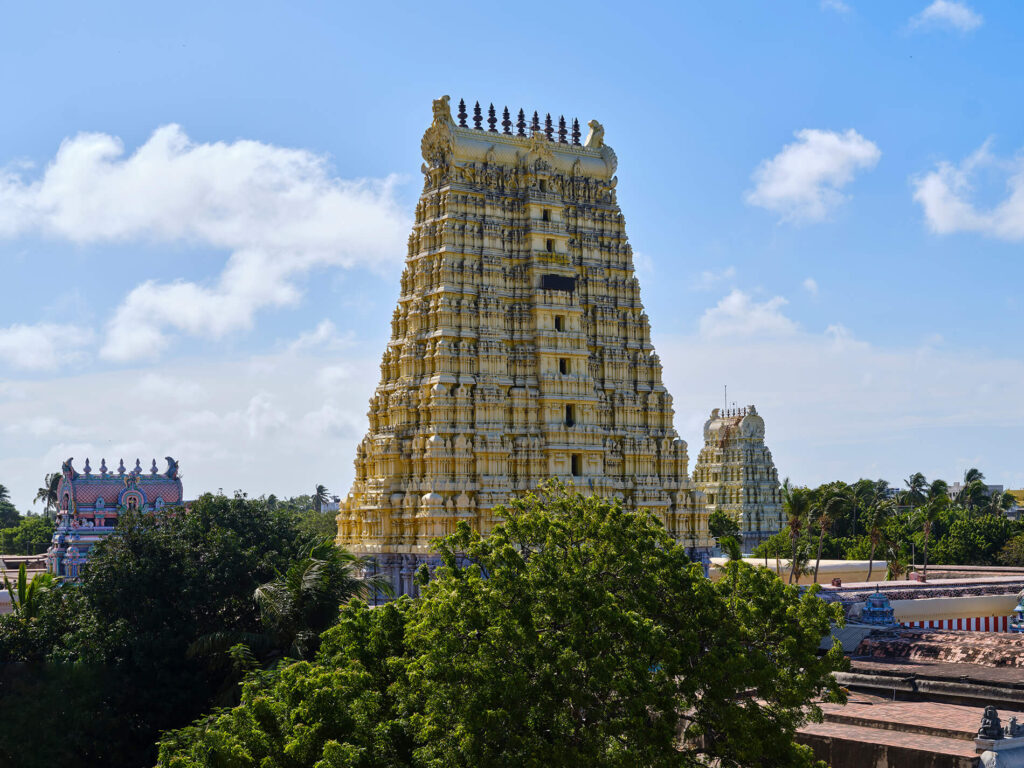
7. Ramanathaswamy Temple, Rameswaram
Rameswaram holds a special place in the hearts of devotees as the place where Lord Rama worshipped Shiva. The temple is famous for its 22 holy wells and intricate corridors.
Despite the extensive participation of devotees in the water rituals, direct touching of the main Shivling is restricted. The sanctum follows strict Agamic discipline, ensuring that Shiva is approached with purity of intent and humility. In Rameswaram, the journey through the temple's corridors is as much a part of the worship as the final Darshan.
The Wisdom of No-Touch Traditions
When we visit these temples, we aren't just visiting a building, we are entering a consecrated energy laboratory.
Ancient seers understood that certain forms (Murti) are tuned to specific frequencies through Mantras and Prana Pratishtha. Just as a delicate instrument can be detuned by too much handling, these sacred spaces are preserved so that their spiritual charge remains potent for generations.
By maintaining a sacred distance, these 7 temples teach us that devotion is an internal state. When we cannot touch, we are forced to look deeper into our own hearts where the real Shiva resides.
Share:
Leave a comment
Udaipur Freelancer
Udaipur Freelancer delivers high-quality web, marketing, and design solutions. We focus on building impactful digital experiences that help your brand succeed in today's market.











Recommended for you
Must-See Art Exhibitions Around the World This Year
The Revival of Classical Art in a Digital Age
Breaking Down the Elements of a Masterpiece Painting
The Revival of Classical Art in a Digital Age