We’ve all seen the movies, a well-meaning protagonist realizes their exotic pet belongs in the wild, opens a cage or releases a fish into a pond, and watches as the animal scampers off to a happily ever after.
In reality, setting them free is often a death sentence either for the animal itself or for the entire ecosystem it enters. When a non-native species is introduced into an environment where it doesn’t belong, it becomes an invasive species. These invaders can wipe out local wildlife, spread diseases, and cause billions of dollars in property damage.
If you find yourself with an animal you can no longer care for, releasing it into nature is never the answer. Here are 11 animals you should never set free under any circumstances.
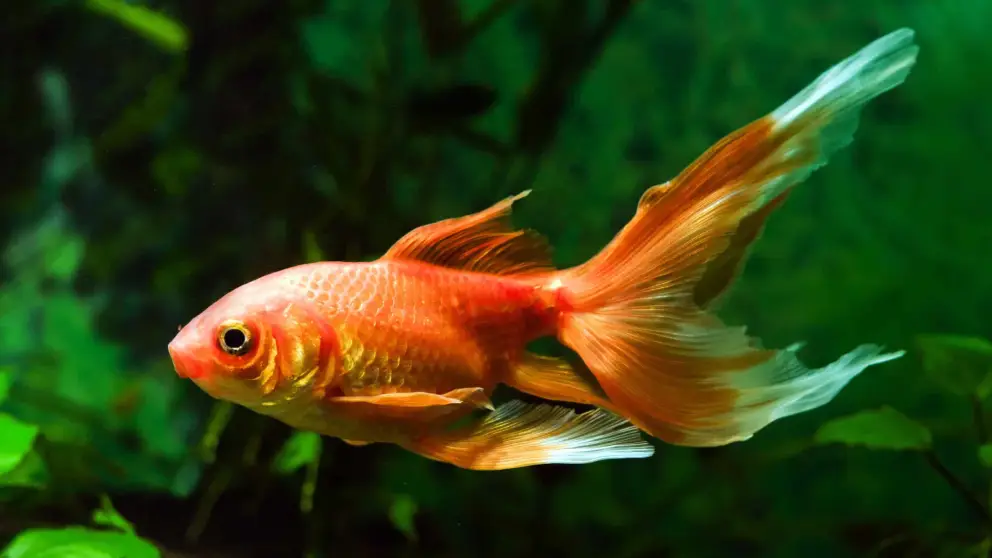
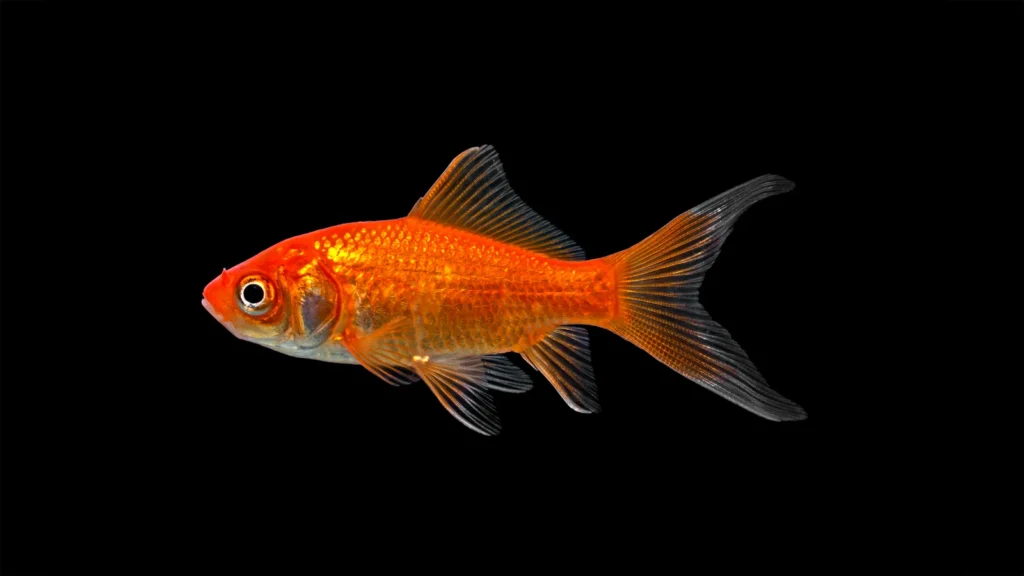
1. Goldfish (Carassius auratus)
It starts as a tiny prize at a carnival, but the common goldfish is one of the most destructive invasive species on the planet. When people flush them down the toilet or release them into local ponds, goldfish don’t just stay small. In the wild, they can grow to the size of a football and weigh several pounds.
The Impact: Goldfish are mucking feeders. They stir up sediment from the bottom of lakes, making the water cloudy and preventing sunlight from reaching aquatic plants. They also eat the eggs of native fish and outcompete local species for food. A single goldfish can turn a pristine pond into a murky, lifeless wasteland.
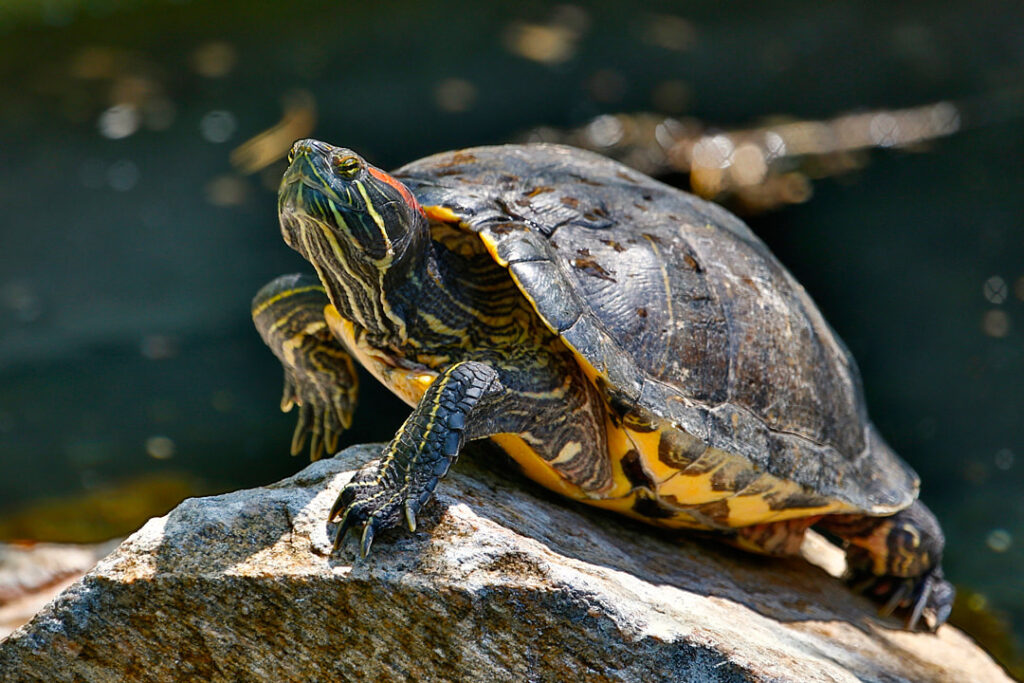
2. Red-Eared Slider Turtles
Often sold as tiny hatchlings the size of a coin, these turtles can live for 30 years and grow to over a foot long. When they become too much work, owners often drop them off at the local park pond.
The Impact: Red-eared sliders are aggressive and hardy. They outcompete native turtle species for the best basking spots (crucial for turtle health) and food sources. They are also known carriers of Salmonella, which can jump to other wildlife and even humans who interact with the water.
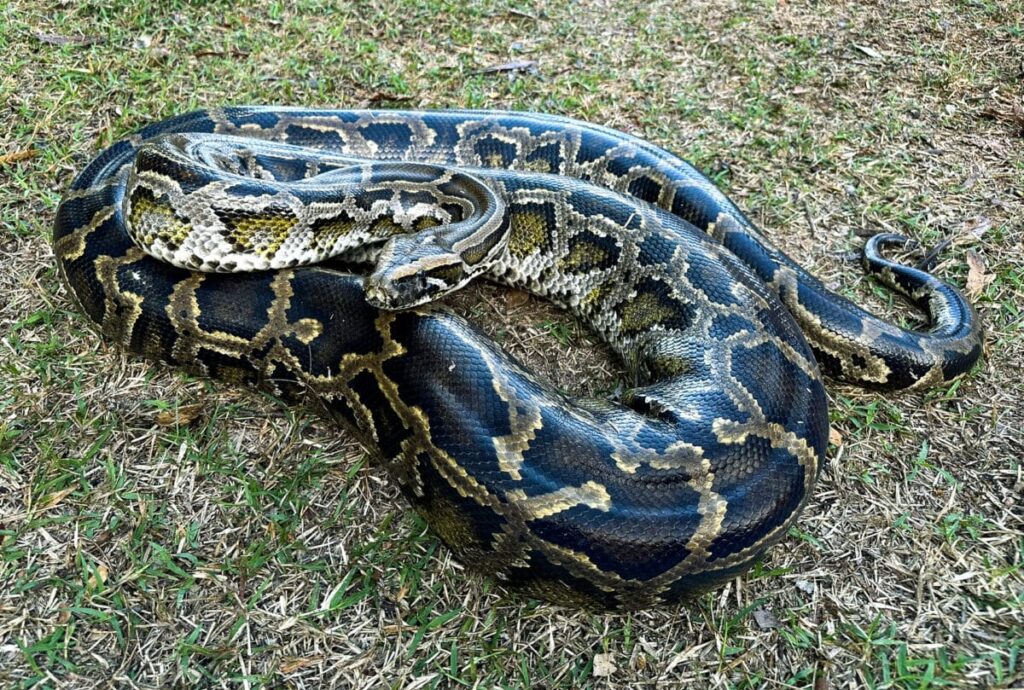
3. Burmese Pythons
The Florida Everglades is currently the site of one of the greatest ecological disasters in history, largely due to the release of pet Burmese pythons. These massive snakes can reach 20 feet in length and have no natural predators in North America.
The Impact: Since their introduction, populations of raccoons, opossums, and bobcats in the Everglades have plummeted by over 90%. They have even been known to eat alligators. Once a python reaches a certain size, nothing in the local ecosystem can stop it.
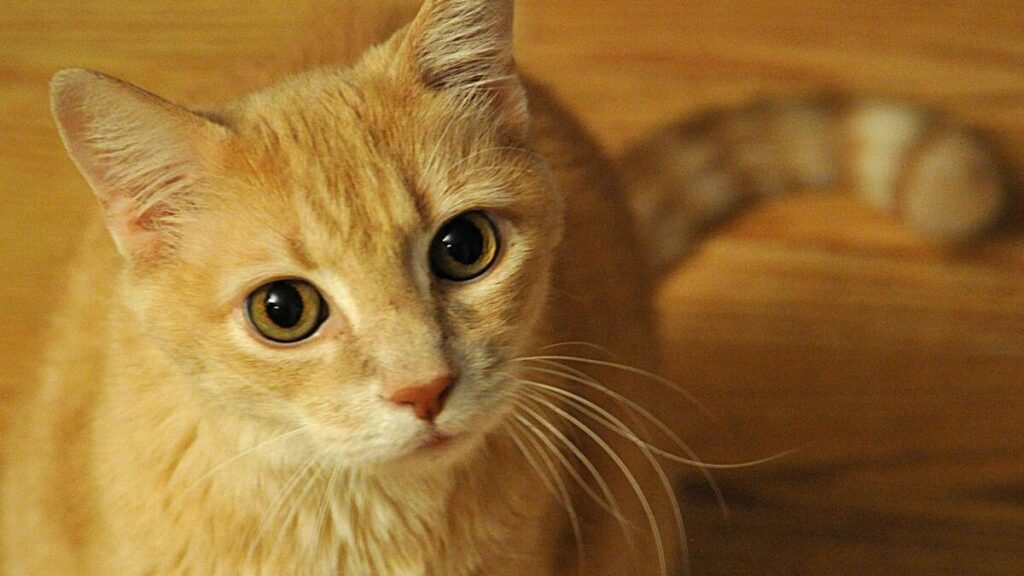
4. Domestic House Cats (Felis catus)
This is a controversial one, but from an ecological standpoint, domestic cats are a disaster when allowed to roam free or formed into feral colonies. While we love our feline friends, they are super-predators.
The Impact: Free-ranging domestic cats are responsible for the extinction of at least 63 species of birds, mammals, and reptiles worldwide. Even a well-fed pet cat will hunt by instinct. In the U.S. alone, cats kill an estimated 2.4 billion birds every year. If you have a cat, keep it indoors or in a catio.
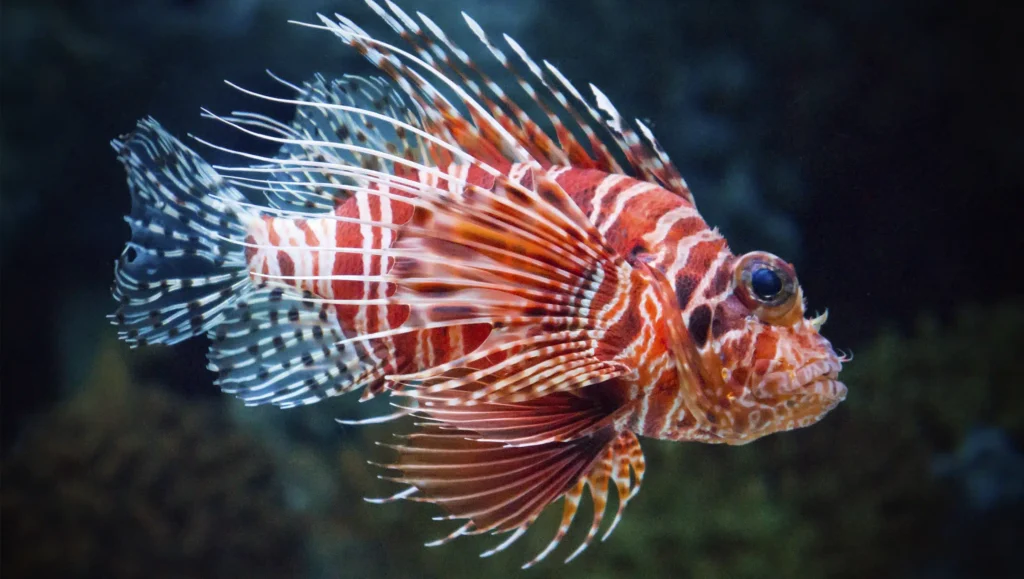
5. Lionfish
Beautiful, exotic, and deadly, the Lionfish is a popular aquarium inhabitant. However, after being released into the Atlantic and Caribbean waters, they have become a nightmare for coral reefs.
The Impact: Lionfish have venomous spines that deter predators, and they have an insatiable appetite. A single lionfish can reduce the number of juvenile native fish on a reef by 79% in just five weeks. This disrupts the entire reef hierarchy, leading to algae overgrowth and reef death.
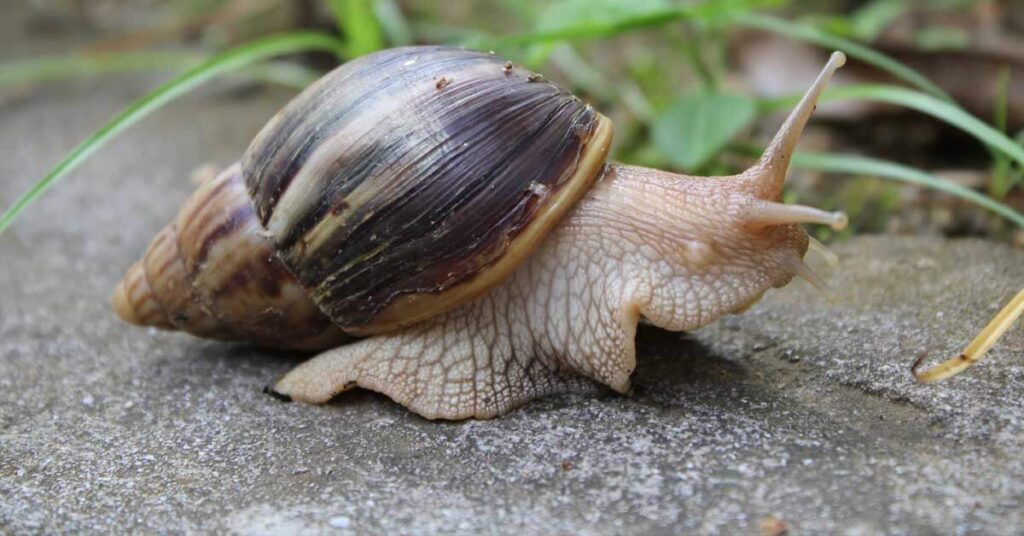
6. African Giant Land Snails
These aren’t your average garden snails. They can grow to the size of a human fist and are considered one of the most damaging snails in the world.
The Impact: They are polyphagous, meaning they eat at least 500 different types of plants, including essential food crops. Worse yet, they carry the rat lungworm parasite, which can cause a rare form of meningitis in humans. Releasing even one is a public health and agricultural hazard.
There’s more to life than simply increasing its speed.
By Udaipur Freelancer
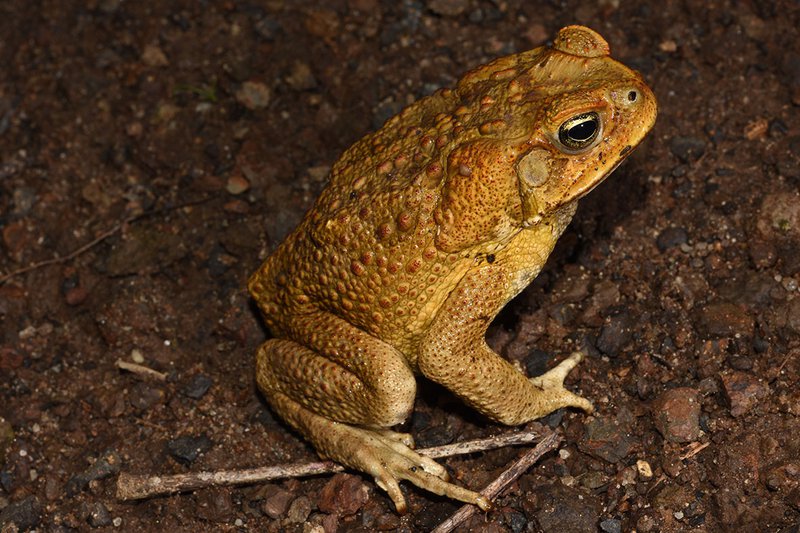
7. Cane Toads
Originally introduced to Australia to control pests in sugar cane fields, the Cane Toad is the ultimate cautionary tale of human interference.
The Impact: Cane toads are highly toxic at every stage of their life cycle. Any native predator snakes, lizards, or even crocodiles that tries to eat them dies almost instantly from the toad's milky toxins. Because nothing can eat them, their population has exploded into the hundreds of millions, decanting native biodiversity.
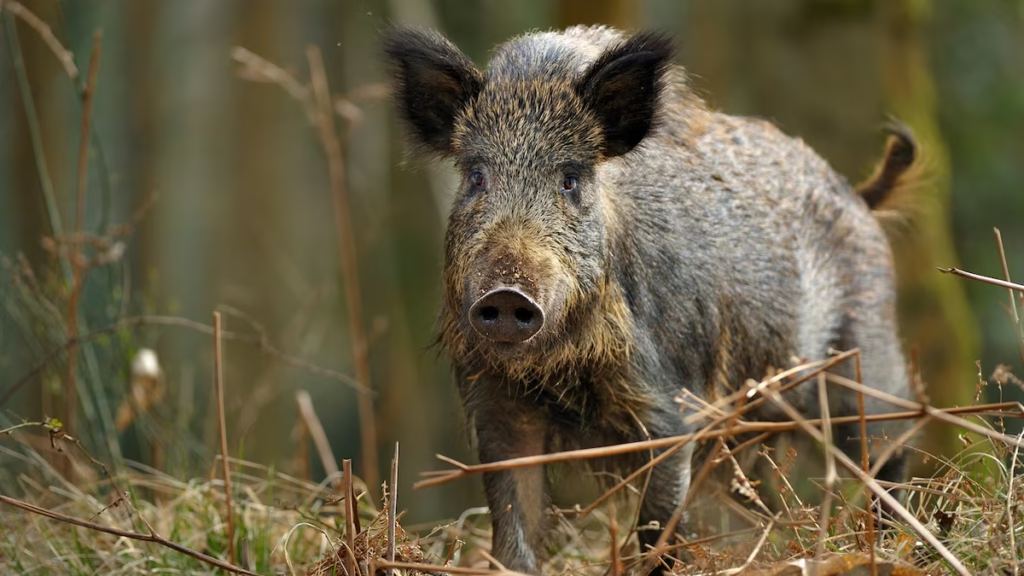
8. Feral Pigs (Wild Boars)
Domestic pigs that escape or are released into the wild undergo a physical transformation in just a few generations, growing thick hair and tusks.
The Impact: Feral hogs are biological bulldozers. They root through the soil, destroying native plants and causing massive erosion. They carry dozens of diseases (like swine brucellosis) that can infect livestock and humans. They are also incredibly aggressive toward people and pets.
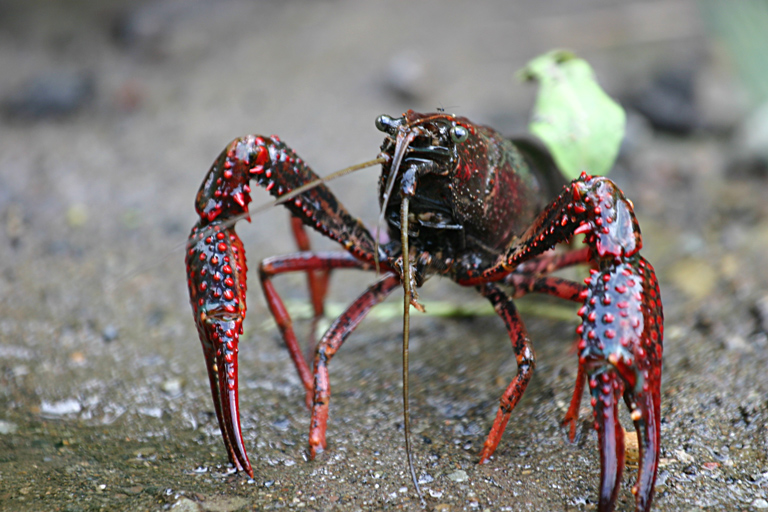
9. Red Swamp Crayfish
Popular in the pet trade and as live bait, these mudbugs are incredibly hardy. When released into non-native waters, they quickly take over.
The Impact: They are prolific diggers, and their burrows can weaken dams and levees, leading to infrastructure failure. They also carry crayfish plague, a fungus that wipes out native crayfish populations while the Red Swamp Crayfish remains immune.
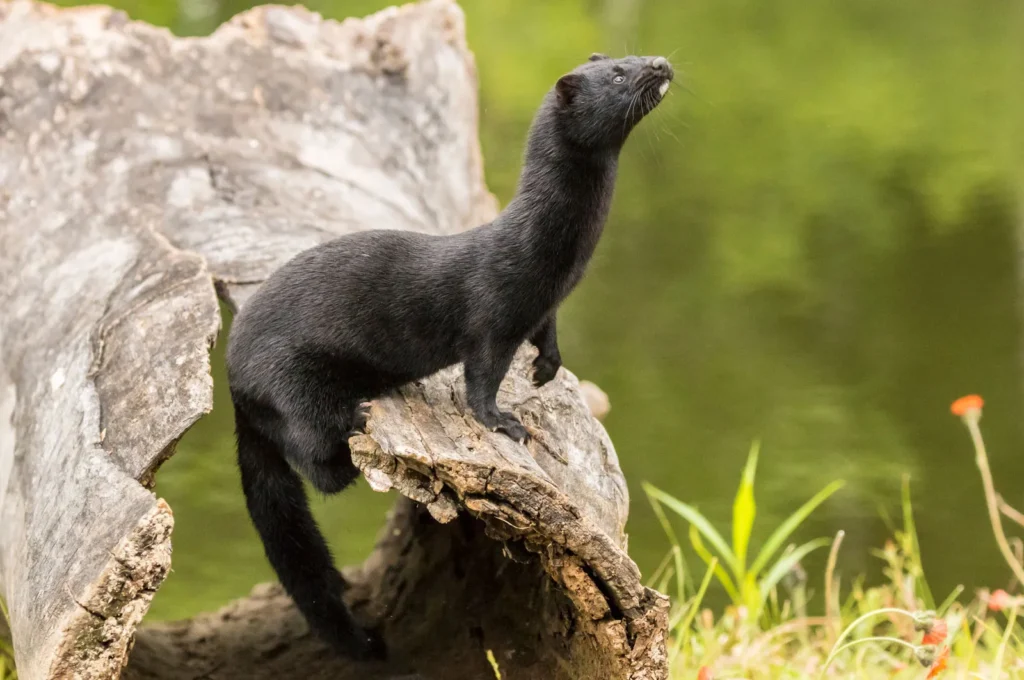
10. American Mink
In Europe and Asia, the American Mink was often released from fur farms by well-meaning activists. Unfortunately, this rescue resulted in an ecological catastrophe for local species.
The Impact: The American Mink is a fierce hunter that occupies the same niche as the native European Mink and the Water Vole. In the UK, the release of American Mink led to a nearly 90% decline in the water vole population. They are much more aggressive than native species and kill more than they can eat (surplus killing).
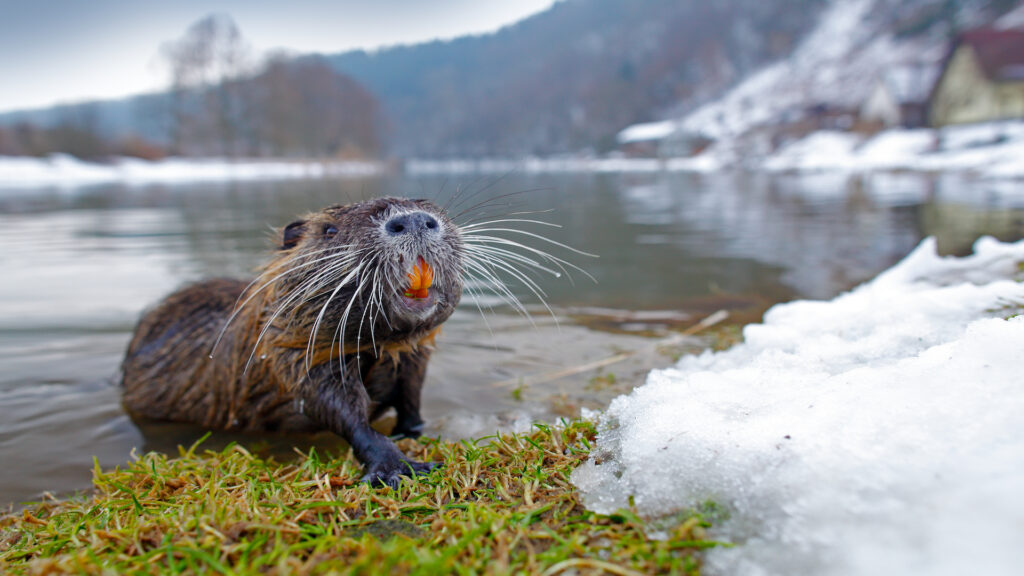
11. Nutria (Coypu)
Nutria are large, orange-toothed rodents that look like a cross between a beaver and a giant rat. Originally brought to various countries for the fur trade, many were released when the industry collapsed.
The Impact: Nutria are wasteful eaters. They don't just eat the leaves of wetland plants. they dig up and consume the entire root system. This destroys the carpet of the wetlands, causing the land to turn into open water and destroying the habitat for countless other species.
Why Setting Them Free Is Often Cruel
Beyond the environmental damage, releasing a captive animal is often a death sentence for the individual creature.
Lack of Survival Skills: A pet raised in a tank or cage doesn't know how to hunt or hide from predators.
Starvation: Many released pets die of hunger because they cannot find the specific food they were raised on.
Climate Shock: A tropical fish released into a pond in a temperate climate will suffer a slow, painful death as soon as winter arrives.
What Should You Do Instead?
If you have an animal you can no longer care for, do not reach for the release button. Here are the responsible alternatives:
Contact a Local Shelter or Rescue: Many organizations specialize in exotic pets, reptiles, or birds.
The Habitattitude Initiative: Check for surrender programs in your area that allow you to drop off unwanted pets with no questions asked.
Rehome Locally: Use social media or community boards to find a fellow hobbyist who can provide the care the animal needs.
Consult a Veterinarian: If the animal is sick or you have no other options, humane euthanasia is more merciful than starving to death in a foreign environment.
Final Thoughts
The balance of nature is delicate. While it may feel like you are giving an animal freedom, you are often introducing a biological weapon into a fragile ecosystem. Let’s protect our local wildlife by being responsible pet owners and keeping the wild exactly where it belongs.
Udaipur Freelancer delivers high-quality web, marketing, and design solutions. We focus on building impactful digital experiences that help your brand succeed in today's market.












Recommended for you
Must-See Art Exhibitions Around the World This Year
The Revival of Classical Art in a Digital Age
Breaking Down the Elements of a Masterpiece Painting
The Revival of Classical Art in a Digital Age